Pintar, Elegan, Menggemaskan: Siapa Bisa Tahan Pesona Anjing Poodle?

Anjing Poodle bukan hanya terkenal karena penampilannya yang modis, tetapi juga karena kepintarannya yang luar biasa. Banyak orang memilih Poodle sebagai hewan peliharaan bukan hanya karena bulunya yang keriting dan cantik, tetapi karena karakter dan kecerdasannya yang unik.

Poodle termasuk dalam daftar anjing paling cerdas di dunia. Mereka mampu mempelajari perintah baru hanya dalam beberapa kali pengulangan. Pelatih anjing sering mengandalkan Poodle dalam kompetisi agility, obedience, bahkan sebagai anjing terapi. Kamu bisa dengan mudah mengajarkan trik-trik baru kepada Poodle, medusa 88 karena mereka menyerap instruksi dengan cepat dan suka tantangan.

Selain pintar, Poodle juga memancarkan keanggunan. Postur tubuhnya tegap, cara jalannya anggun, dan bulunya yang khas membuat mereka tampak seperti bintang di setiap taman atau jalan yang mereka lewati. Banyak orang menyangka Poodle hanya cocok tampil di acara kontes, padahal mereka sangat aktif dan suka bermain.

Poodle hadir dalam tiga ukuran: standard, miniature, dan toy. Semua ukuran memiliki karakter yang sama-sama ramah, penyayang, dan energik. Mereka cocok untuk keluarga, pasangan muda, hingga lansia yang menginginkan teman setia di rumah. Poodle juga terkenal hipoalergenik—bulunya jarang rontok, sehingga cocok untuk kamu yang sensitif terhadap bulu hewan.

Selain itu, Poodle sangat setia dan suka dekat dengan pemiliknya. Mereka bisa menjadi alarm alami karena selalu waspada terhadap suara atau gerakan asing. Namun, mereka tetap lembut terhadap anak-anak dan hewan peliharaan lain.

Jika kamu mencari anjing yang pintar, elegan, dan penuh cinta, Poodle bisa jadi pilihan terbaikmu. Dengan sedikit pelatihan dan banyak kasih sayang, Poodle akan menjadi sahabat hidup yang tak tergantikan.

Tips Merawat Shiba Inu: Si Pintar yang Kadang Bandel

Shiba Inu dikenal sebagai anjing kecil yang cerdas, energik, dan penuh karakter. Tapi jangan tertipu oleh wajah lucunya—Shiba Inu bisa sangat mandiri dan keras kepala jika kamu tidak merawat dan melatihnya dengan tepat. Untuk memastikan Shiba Inu kamu tumbuh sehat dan berperilaku baik, kamu perlu memahami beberapa tips perawatan yang efektif.

Pertama, kamu harus membangun hubungan kepercayaan sejak dini. Shiba Inu sangat menghargai kebebasan, jadi gunakan pendekatan positif dalam melatihnya. Hindari hukuman keras; lebih baik beri pujian dan camilan kecil setiap kali ia mengikuti perintah. Konsistensi menjadi kunci dalam mendidik anjing ini.

Dalam hal kebersihan, Shiba Inu punya bulu ganda yang membutuhkan perhatian rutin. Kamu harus menyisir bulunya setidaknya dua kali seminggu, apalagi saat musim gugur dan musim semi ketika mereka mengalami shedding parah. Mandikan Shiba Inu hanya saat perlu, karena mereka dikenal menjaga kebersihan tubuhnya sendiri seperti kucing.

Soal aktivitas fisik, Shiba Inu sangat aktif. Kamu perlu mengajak mereka jalan-jalan minimal dua kali sehari atau menyediakan waktu bermain di halaman tertutup. Tanpa stimulasi mental dan fisik yang cukup, Shiba Inu bisa bosan dan mulai mencari-cari masalah, seperti mengunyah barang atau menggali tanah.

Terakhir, jangan lupa melatih sosialisasi sejak usia dini. Ajak Shiba Inu bertemu orang baru, anjing lain, dan berbagai situasi agar slot bonanza  mereka tidak mudah takut atau agresif saat dewasa.

Dengan perawatan penuh kasih, Shiba Inu akan menunjukkan sisi terbaiknya—cerdas, setia, dan penuh semangat. Meski kadang bandel, mereka akan jadi teman hidup yang luar biasa bagi kamu yang sabar dan konsisten.

Golden Retriever: Sahabat Setia yang Menyentuh Hati Keluarga

Golden Retriever dikenal sebagai salah satu ras anjing paling populer dan disukai di dunia, terutama karena sifatnya yang ramah, cerdas, dan penuh kasih sayang. Dikenal sebagai sahabat sejati, mereka memiliki kepribadian yang lembut dan sangat cocok untuk keluarga. Kelembutan dan kecintaan mereka pada anak-anak membuat mereka menjadi teman yang ideal, dengan naluri pelindung yang menjaga dan memastikan keamanan orang yang mereka cintai.

Tidak hanya di rumah, Golden Retriever juga sering digunakan dalam berbagai tugas, seperti anjing terapi, pencari di area bencana, atau sebagai anjing pemandu bagi penyandang disabilitas. Kepintaran mereka memungkinkan mereka untuk dilatih dengan cepat, dan mereka selalu siap menunjukkan kasih sayang tanpa pamrih. Mereka tidak hanya menjadi peliharaan, tetapi juga anggota keluarga yang memperkaya kehidupan dengan keceriaan dan loyalitas mereka.

Merawat Golden Retriever membutuhkan perhatian khusus pada perawatan bulunya yang tebal dan panjang, serta olahraga rutin untuk menjaga kesehatan fisik dan mentalnya. Namun, imbalannya sangat besar karena Golden Retriever akan memberikan cinta dan keceriaan yang tak ternilai, menjadikannya sahabat setia yang selalu ada di setiap langkah kehidupan slot mania 5000x.

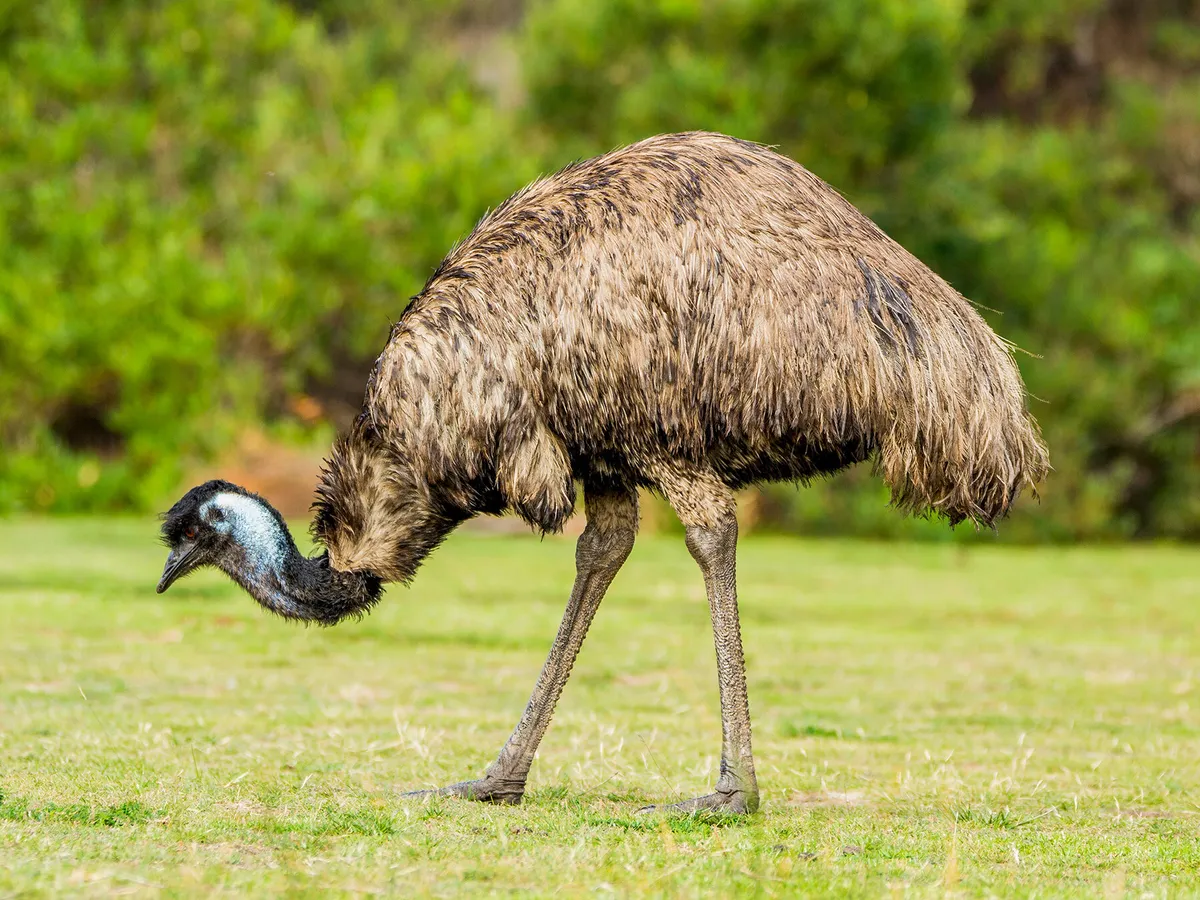
The Diet of Emus: The Eating Habits of Australia’s Iconic Bird

clubpitbullsalem.com – Emus (Dromaius novaehollandiae) are the second-largest birds in the world, native to Australia, and are known for their impressive size, long legs, and distinctive appearance. Despite being flightless, emus are incredibly fast runners and highly adaptable to a variety of habitats, from forests and woodlands to grasslands and deserts. One of the key factors contributing to their adaptability is their varied and opportunistic diet. In this article, we will explore the food sources that make up the emu’s diet, how they forage for food, and their unique nutritional needs.

1. Grasses: A Key Component of the Emu’s Diet

The primary food source for emus is vegetation, especially grasses. Emus are herbivores and graze on a wide variety of grasses found across the Australian landscape. They feed on the seeds, leaves, and young shoots of various grass species, which make up the bulk of their diet, particularly in open woodlands, grasslands, and agricultural areas.

Grass seeds are particularly important for emus, providing a good source of carbohydrates, fiber, and protein. Their strong beaks allow them to efficiently harvest seeds from a variety of grass species, which they consume in large quantities. In fact, grasses can account for up to 80% of an emu’s diet, depending on what is available in their habitat.

2. Fruits: Sweet and Nutrient-Rich

Emus are also known to eat a wide range of fruits when they are in season. Fruits provide them with vital sugars, vitamins, and minerals, helping to supplement their diet and maintain energy levels. Emus particularly enjoy fruits like berries, figs, and wild plums, which are commonly found in their native habitats.

During the warmer months when fruits are abundant, emus will often forage in areas where fruit-bearing plants grow, such as along rivers, forests, and open woodland edges. These fruits are not only a sweet treat for emus but also provide hydration, as many fruits contain a high percentage of water.

3. Seeds and Nuts: High-Energy Food

In addition to grass seeds, emus will also consume a variety of other seeds and nuts that they encounter in the wild. Seeds from shrubs, trees, and even agricultural crops are an important part of their diet, particularly when other food sources are scarce.

Emus have been observed eating the seeds of native Australian plants such as wattles and banksias, as well as the seeds of introduced crops like wheat and oats. These seeds and nuts provide a concentrated source of energy, which is essential for the emu’s active lifestyle.

4. Insects and Small Animals: Occasional Omnivorous Behavior

Though primarily herbivores, emus are opportunistic feeders and will occasionally consume insects, small animals, and even carrion. This behavior is particularly common when other food sources are less abundant or during the breeding season when they need additional protein for reproduction.

Emus may eat grasshoppers, beetles, and other small insects, as well as small reptiles and amphibians. This supplementary protein source helps meet their nutritional needs, especially during times when plant-based food may not provide enough energy.

5. Flowers and Leaves: A Diverse Diet

Emus also feed on a variety of leaves, flowers, and young shoots from shrubs and trees. They are particularly fond of soft, tender leaves and flowers, which they will forage from a wide range of plants. These plant materials provide additional nutrients, such as vitamins and minerals, which help balance the emu’s diet.

During the wetter months, when vegetation is lush and growing, emus often feed on the leaves of plants like acacias and eucalyptus, as well as flowering shrubs. These plants are not only a food source but also help provide hydration, as many plants have high water content during the rainy season.

6. Water: An Essential Resource

While emus can survive for a time without water, they still require access to fresh water for hydration. In the wild, emus typically drink from waterholes, rivers, and ponds, especially during the hotter months when temperatures can soar.

Emus are capable of drinking large quantities of water in one sitting, which helps to replenish fluids after long periods of foraging. They are known to travel long distances in search of water, and their keen sense of hearing allows them to locate water sources from far away.

7. Feeding Patterns and Foraging Behavior

Emus are diurnal feeders, meaning they are most active during the day. They tend to forage in the early morning and late afternoon when temperatures are cooler, taking advantage of the mild conditions to search for food. During the hotter parts of the day, emus rest in the shade to conserve energy and avoid the intense heat.

Emus are also social birds, often seen foraging in small groups. While feeding, they are constantly on the lookout for predators, using their excellent vision to detect threats from a distance. Their strong legs and ability to run at high speeds make them well-equipped to escape from danger when necessary.

8. Nutritional Needs and Digestive Adaptations

Emus have a unique digestive system that allows them to process a variety of plant and animal materials. They possess a muscular stomach, known as the gizzard, which helps grind up food and extract nutrients from tough plant fibers, seeds, and other food sources.

Their diet is rich in fiber, which helps with digestion and promotes a healthy gut. Emus also require a variety of vitamins and minerals to support their overall health, particularly calcium and phosphorus, which are necessary for strong bones and reproductive health.

9. Role in the Ecosystem: Seed Dispersers and Land Managers

As large herbivores, emus play an important role in their ecosystems. By consuming large quantities of plant material, including seeds, they help manage vegetation and prevent the overgrowth of certain plant species. Emus are also important seed dispersers, as the seeds they consume often pass through their digestive system and are deposited in different locations, helping to propagate plant species across large areas.

Their grazing behavior can help maintain the balance of plant populations, ensuring that no single species dominates the landscape. This, in turn, supports biodiversity and contributes to the health of the ecosystems in which they live.

10. Human Interaction: The Role of Emus in Agriculture and Industry

While emus are primarily wild birds, they have also been domesticated in some areas, particularly in Australia. In agricultural settings, emus are raised for their eggs, meat, and feathers, which are highly valued for their unique properties. Emu oil, derived from the fat of the bird, is also used in various cosmetics and health products due to its anti-inflammatory and moisturizing properties.

Farmed emus are typically fed a diet similar to that of wild emus, consisting of grains, grasses, and supplemental food such as fruits and vegetables. In captivity, emus can be provided with a controlled diet to ensure they receive all the necessary nutrients for optimal health and productivity.

Conclusion

The emu’s diet is as diverse as the Australian landscapes it inhabits. From grasses and seeds to fruits, insects, and small animals, emus are opportunistic feeders that make the most of whatever food sources are available in their environment. Their digestive adaptations and varied feeding behaviors enable them to thrive in a wide range of habitats, from deserts to forests. As vital contributors to their ecosystems, emus help manage vegetation, disperse seeds, and maintain biodiversity. Whether in the wild or in captivity, emus are remarkable birds with a diet that reflects their adaptability and resilience.

Narwhal: The Mysterious Unicorn of the Sea

clubpitbullsalem.com – The narwhal (Monodon monoceros) is a unique and enigmatic marine mammal that has captured human fascination for centuries due to its most striking feature—an elongated, spiral tusk that earned it the nickname “unicorn of the sea.” Found in the icy waters of the Arctic, narwhals are highly adapted to life in one of the planet’s harshest environments. Their fascinating biology, behaviors, and cultural significance make them one of the most intriguing creatures of the ocean.

Physical Characteristics

The most distinctive feature of the narwhal is the long, spiral tusk that extends from the head of males (and occasionally females). This tusk is actually an enlarged canine tooth that can grow up to 10 feet (3 meters) long. While the exact purpose of the tusk is still debated, it is believed to play a role in mating rituals, social dominance, and possibly even sensory functions, as it contains millions of nerve endings.

Narwhals are medium-sized cetaceans, with adults typically reaching lengths of 13 to 18 feet (4 to 5.5 meters) without including the tusk. They weigh between 1,800 to 3,500 pounds (800 to 1,600 kilograms). Narwhals have a mottled grayish skin that helps them blend into their icy surroundings, and they lack a dorsal fin, an adaptation thought to reduce heat loss and allow them to swim easily under ice.

Habitat and Range

Narwhals are primarily found in the Arctic waters surrounding Greenland, Canada, and Russia. They prefer cold, deep waters, often staying close to the pack ice. Their range varies seasonally—during the summer, they are found in coastal bays and fjords, while in the winter, they move to deeper offshore waters, diving under thick sea ice in search of food.

Their deep-diving abilities are remarkable, as narwhals can dive to depths of over 5,000 feet (1,500 meters), making them one of the deepest-diving marine mammals. They are capable of staying submerged for up to 25 minutes, relying on their excellent adaptations for conserving oxygen during these long, deep dives.

Feeding Behavior and Diet

Narwhals are specialized feeders, primarily preying on deep-water species such as Greenland halibut, Arctic cod, shrimp, and squid. Their deep dives allow them to access food that is beyond the reach of many other Arctic predators.

Narwhals do not possess teeth inside their mouths, aside from the tusk, so they rely on suction to capture prey. This feeding technique is well-suited for catching fast-moving or slippery prey in the depths of the ocean. During the summer months, when they are in shallower coastal waters, their diet may include additional species such as flatfish and other bottom-dwelling fish.

Social Structure and Behavior

Narwhals are social animals that live in pods, usually consisting of 10 to 20 individuals, although larger groups of up to several hundred have been observed, especially during migrations. These pods typically consist of males, females, and calves. Within these pods, narwhals exhibit a range of social behaviors, including vocalizations and physical interactions. Like many cetaceans, narwhals communicate using clicks, whistles, and other sounds, which help them navigate and maintain social bonds.

Male narwhals sometimes engage in a behavior called “tusking,” where they rub their tusks together, possibly as a form of social interaction or competition. This behavior adds to the mystery of the tusk’s role, as it may be used for display or as a tool in establishing dominance within the pod.

Reproduction and Lifespan

Narwhals have a slow reproductive cycle, with females giving birth to a single calf every three years. Mating typically occurs in the late spring or early summer, and after a gestation period of about 14 to 15 months, females give birth in the following summer. Calves are born in shallow waters, measuring around 5 feet (1.5 meters) in length and weighing about 175 pounds (80 kilograms). They are nursed by their mothers for over a year, during which time they develop the skills necessary for survival in the Arctic environment.

Narwhals are long-lived animals, with a lifespan of up to 50 years or more. This long life cycle, combined with their low reproductive rate, makes them vulnerable to environmental changes and human impacts.

Conservation Status and Threats

The narwhal is currently classified as “Near Threatened” by the International Union for Conservation of Nature (IUCN), with an estimated population of around 80,000 individuals. However, the species faces a number of threats, many of which are exacerbated by the rapidly changing Arctic environment.

Key threats to narwhals include:

  • Climate Change: Warming temperatures are reducing sea ice in the Arctic, which affects the narwhal’s habitat. Changes in ice cover and prey availability may force narwhals to adapt to new environmental conditions, with uncertain outcomes for their populations.
  • Hunting: Narwhals have been traditionally hunted by indigenous Arctic communities for their meat and tusks. While hunting is regulated in many areas to ensure sustainable practices, illegal hunting and overharvesting could pose threats to certain populations.
  • Oil and Gas Exploration: Industrial activities in the Arctic, such as oil and gas exploration, pose risks to narwhal populations through habitat disruption, increased shipping traffic, and noise pollution, which can interfere with their communication and navigation abilities.
  • Bycatch: Narwhals can become entangled in fishing gear, leading to injury or death.

Role in the Ecosystem

Narwhals play an important role in the Arctic marine ecosystem as both predators and prey. By feeding on fish and squid, they help regulate the populations of these species, maintaining balance in the food web. Additionally, narwhals are a key food source for polar bears and orcas, which are among the few predators capable of hunting them.

Narwhals also hold cultural significance for indigenous peoples of the Arctic, who have traditionally relied on them for food, tools, and materials. The tusks of narwhals have historically been traded, often believed to be the horns of mythical unicorns in medieval Europe, further adding to their cultural and historical importance.

Conclusion

The narwhal remains one of the most mysterious and captivating creatures of the Arctic. Its iconic tusk, deep-diving abilities, and adaptations to the extreme cold make it a truly unique species in the world’s oceans. However, as climate change and human activities continue to impact the fragile Arctic ecosystem, the future of the narwhal is increasingly uncertain. Conservation efforts, including careful management of hunting and protection of their habitat, are essential to ensuring the survival of this remarkable “unicorn of the sea” for generations to come.

The Leatherback Sea Turtle: A Gentle Giant of the Ocean

clubpitbullsalem.com – The leatherback sea turtle, Dermochelys coriacea, is a truly remarkable creature, holding the title of the largest of all living turtles and the heaviest non-crocodilian reptile. Its unique appearance, migratory patterns, and ecological significance make it a fascinating subject of study and conservation efforts.   

A Unique Appearance

Unlike other sea turtles, the leatherback lacks a hard shell. Instead, it possesses a tough, rubbery carapace covered in a network of leathery skin, hence its name. This adaptation allows for greater flexibility and hydrodynamic efficiency, enabling it to dive to extraordinary depths. Its large, paddle-shaped flippers are perfectly designed for long-distance swimming, propelling it through the ocean with grace and power.   

A Global Wanderer

Leatherback sea turtles are highly migratory, undertaking epic journeys across vast ocean basins. They can travel thousands of miles between their nesting and feeding grounds, utilizing a complex system of ocean currents to navigate their way. These long-distance migrations make them vulnerable to various threats, including pollution, bycatch, and habitat loss.   

A Deep-Sea Diver

Leatherback sea turtles are renowned for their deep-diving abilities. They can plunge to depths of over 1,000 meters (3,300 feet), exploring the mysterious depths of the ocean. This incredible feat is made possible by a unique physiological adaptation: they can raise their body temperature above the surrounding water, allowing them to function in cold, deep waters.   

A Jellyfish Gourmand

The leatherback sea turtle is a specialist feeder, primarily consuming jellyfish. Its powerful jaws and throat muscles are perfectly adapted to capture and ingest these slippery prey. By consuming large quantities of jellyfish, leatherbacks help to regulate marine ecosystems and prevent jellyfish blooms that can harm other marine life.   

A Threatened Species

Despite their impressive adaptations, leatherback sea turtles are facing numerous threats that have led to a significant decline in their populations. Human activities such as coastal development, pollution, and overfishing have all contributed to their endangerment. Additionally, climate change is altering ocean temperatures and currents, impacting their nesting and foraging habitats.   

Conservation Efforts

Numerous organizations and governments are working to protect leatherback sea turtles and their habitats. Conservation efforts include beach monitoring and nest protection, reducing bycatch in fisheries, and addressing threats from pollution and climate change. By working together, we can ensure the survival of these magnificent creatures for generations to come.   

The leatherback sea turtle is a true marvel of nature, a testament to the incredible diversity of life in our oceans. By understanding and appreciating these gentle giants, we can inspire greater efforts to protect them and their marine environment.

Turtles: Ancient Reptiles in Shells – Physical Characteristics

clubpitbullsalem.com – Turtles are an ancient and diverse group of reptiles characterized by their distinctive bony shells. Belonging to the order Testudines (or Chelonia), they have existed for over 200 million years, outliving dinosaurs and adapting to a variety of habitats worldwide. From tiny mud turtles to giant sea turtles, they exhibit a remarkable range of sizes, shapes, and lifestyles.   

Physical Characteristics: The Defining Shell

The most defining characteristic of turtles is their shell, a bony structure that protects them from predators. The shell is composed of two main parts:   

  • Carapace: The upper part of the shell, covering the back.
  • Plastron: The lower part of the shell, covering the belly.   

These two parts are connected by a bony bridge. The shell is covered in scutes, which are plates made of keratin (the same material as human fingernails). Other key physical features include:   

  • Beak-like Mouth: Turtles lack teeth but have a sharp, beak-like mouth used for tearing food.   
  • Short Limbs: Terrestrial turtles typically have short, sturdy limbs adapted for walking, while aquatic turtles have paddle-like flippers for swimming.
  • Neck: Turtles have varying neck lengths, allowing them to retract their heads into their shells for protection (in most species).

Classification: Diverse Groups within Testudines

The order Testudines is divided into two suborders:

  • Cryptodira: “Hidden neck” turtles, which retract their heads straight back into their shells. This is the larger of the two suborders.   
  • Pleurodira: “Side neck” turtles, which fold their necks sideways under the edge of their shells.   

These suborders encompass a variety of families, including:

  • Cheloniidae (Sea Turtles): Adapted for marine life with paddle-like flippers.   
  • Testudinidae (Tortoises): Primarily terrestrial with domed shells and sturdy legs.
  • Emydidae (Pond and Box Turtles): Semi-aquatic turtles found in freshwater habitats.   
  • Trionychidae (Softshell Turtles): Characterized by their flattened, leathery shells.   

Habitats and Distribution: Adapting to Diverse Environments

Turtles inhabit a wide range of habitats across the globe:

  • Oceans: Sea turtles are found in all oceans except for the polar regions. 
  • Freshwater Habitats: Ponds, lakes, rivers, and swamps provide habitat for many turtle species.   
  • Terrestrial Habitats: Deserts, grasslands, and forests are home to tortoises and other terrestrial turtles.   

Diet and Foraging: From Herbivores to Carnivores

Turtles exhibit a variety of feeding strategies:

  • Herbivores: Tortoises and some freshwater turtles are primarily herbivorous, feeding on plants, fruits, and vegetables.   
  • Carnivores: Many aquatic turtles are carnivorous, feeding on fish, insects, crustaceans, and other aquatic animals.   
  • Omnivores: Some turtle species are omnivorous, consuming both plant and animal matter.   

Reproduction: Nesting and Incubation

All turtles lay eggs, which they bury in nests they dig in the ground.   

  • Nesting: Female turtles typically dig nests in sandy areas or soft soil.   
  • Incubation: The incubation period varies depending on the species and temperature. Temperature plays a crucial role in sex determination in many turtle species (temperature-dependent sex determination). Warmer temperatures generally produce females, while cooler temperatures produce males.   
  • Hatchlings: After hatching, the young turtles must fend for themselves.

Behavior: Diverse Adaptations

Turtles exhibit a range of behaviors adapted to their specific environments:

  • Basking: Many turtles bask in the sun to regulate their body temperature.   
  • Hibernation/Brumation: In colder climates, turtles may hibernate (in water) or brumate (on land) during the winter months.
  • Migration: Sea turtles undertake long migrations between feeding and nesting grounds.   

Defense Mechanisms: The Protective Shell

The primary defense mechanism of turtles is their shell, which provides excellent protection from predators. Some species can also bite or use their claws for defense.   

Ecological Importance: Roles in Ecosystems

Turtles play various roles in ecosystems:

  • Seed Dispersal: Some tortoises help disperse seeds through their droppings.   
  • Predator and Prey: Turtles serve as both predators and prey in various food webs.   
  • Nutrient Cycling: They contribute to nutrient cycling in aquatic and terrestrial ecosystems.   

Conservation Status: Threats and Challenges

Many turtle species face significant threats, including:

  • Habitat Loss and Degradation: Loss of nesting beaches, wetlands, and other habitats due to human activities.   
  • Overexploitation: Harvesting for food, the pet trade, and traditional medicine.   
  • Climate Change: Rising sea levels, changes in temperature, and increased storm frequency threaten turtle populations.   
  • Bycatch: Accidental capture in fishing gear.   

Conclusion: Ancient Survivors Facing Modern Challenges

Turtles are remarkable reptiles with a long evolutionary history. Their unique shells and diverse adaptations have allowed them to thrive in a variety of environments. However, they face numerous threats from human activities and climate change. Conservation efforts are crucial to protect these ancient creatures and ensure their survival for future generations.

The Secret Life of Foxes: Habits and Habitats

clubpitbullsalem.com – Foxes, known for their cunning and adaptability, occupy a unique niche in the animal kingdom. These fascinating creatures can be found in diverse environments worldwide, showcasing their remarkable versatility and survival skills. This article explores the secret life of foxes, delving into their habits, habitats, and the adaptations that allow them to thrive in various ecosystems.

Habitats of Foxes

Foxes are incredibly adaptable animals that can live in a variety of habitats. These include forests, grasslands, deserts, mountains, and even urban areas. Different species of foxes have evolved to suit their specific environments, showcasing their remarkable adaptability.

Forests and Grasslands

In forested and grassland areas, foxes benefit from abundant cover and ample food sources. They often build dens in secluded spots, such as under tree roots or in abandoned burrows, providing shelter and protection for their young.

Deserts

Desert foxes, like the Fennec fox, have adapted to extreme temperatures and arid conditions. Their large ears help dissipate heat, and they obtain moisture from the food they eat, reducing their need for water.

Urban Areas

Urban foxes have become increasingly common, thriving in cities where they scavenge for food. These foxes have adapted to human presence, often using parks and gardens as hunting grounds while remaining largely nocturnal to avoid human activity.

Habits of Foxes

Foxes are primarily nocturnal animals, known for their solitary and secretive nature. They are opportunistic feeders with a varied diet that includes small mammals, birds, insects, and fruits. This varied diet helps them survive in different environments.

Hunting and Feeding

Foxes are skilled hunters, using their keen sense of hearing and smell to locate prey. They employ a variety of hunting techniques, including stalking, pouncing, and digging to capture prey. Their diet changes with the seasons, allowing them to make the most of available resources.

Social Structure

While foxes are generally solitary, they do form social groups known as “leashes” or “skulks,” especially during the breeding season. Social structures can vary among species, with some foxes forming monogamous pairs that raise their young together.

Communication

Foxes communicate using a range of vocalizations, body language, and scent markings. They use these signals to establish territory, warn off intruders, and communicate with mates and offspring.

Adaptations for Survival

Foxes possess a range of physical and behavioral adaptations that aid their survival. Their thick fur provides insulation in cold climates, while their slender bodies and sharp claws make them agile hunters. Foxes also exhibit intelligence and problem-solving abilities, which help them navigate complex environments and find food.

Conclusion

The secret life of foxes reveals a world of adaptability and resourcefulness. These intriguing creatures continue to captivate us with their ability to thrive in diverse habitats, from remote wilderness areas to bustling cities. Understanding their habits and habitats enriches our appreciation for these remarkable animals and highlights the importance of preserving their natural environments.

The Deadly World of Small Venomous Creatures: Tiny Terrors

clubpitbullsalem.com – In the vast and diverse world of wildlife, some of the most fearsome creatures are not the largest or the most imposing. Instead, it is often the smallest of beings that pack the deadliest punches. These tiny terrors, equipped with potent venom, are a testament to the fact that size is not a measure of lethality. From the depths of the ocean to the deserts and rainforests, these small venomous creatures have evolved to become apex predators in their respective habitats.

The Mighty Might: Invertebrates with a Sting

Invertebrates, creatures without backbones, dominate the list of small but deadly organisms. Among them, the box jellyfish, despite its transparent and seemingly innocuous appearance, is one of the most venomous creatures on the planet. Its tentacles can deliver a sting that can kill a human within minutes. Similarly, the blue-ringed octopus, though small, carries enough venom to paralyze and kill an adult human.

The Silent Assassins: Arachnids and Insects

Arachnids, such as spiders and scorpions, are another group of small creatures that have evolved venom for hunting and defense. The Brazilian wandering spider, for example, is known for its aggressive behavior and potent venom that can cause severe pain, muscle spasms, and, in rare cases, death. Scorpions, like the deathstalker, possess venom that can be fatal to humans, particularly children.

Insects, too, have their deadly representatives. The bullet ant, named for the excruciating pain its sting inflicts, can incapacitate even the hardiest of humans. The tiny assassin bug, despite its size, can deliver a bite that causes intense pain and, in some cases, severe allergic reactions.

The Ocean’s Deadly Secrets: Marine Micro-Predators

The ocean is home to a plethora of small venomous creatures. The cone snail, a gastropod, uses a harpoon-like tooth to inject venom that can immobilize prey and, in some cases, cause respiratory failure in humans. Stonefish, camouflaged among the rocks, possess dorsal spines that deliver a painful and potentially fatal venom.

The Impact of Tiny Terrors

The presence of these small venomous creatures in ecosystems around the world serves as a reminder of the delicate balance of nature. Their venom, while deadly, is also a source of fascination for scientists who study it for medical applications. Antivenoms and painkillers have been developed from the venom of these tiny terrors, offering a silver lining to their otherwise fearsome reputation.

Conclusion

The world of small venomous creatures is a testament to the incredible diversity and complexity of life on Earth. These tiny terrors, with their potent venom, remind us of the importance of respecting and understanding the natural world. While they may be small, their impact is significant, both in their ecosystems and in the potential they hold for medical advancements. As we continue to explore the depths of the natural world, we must do so with a sense of wonder and a healthy dose of caution, for even the smallest creatures can wield the deadliest of weapons.

A Symbol of American Wildlife Loss: The Heath Hen

clubpitbullsalem.com – The Heath Hen, once a common sight in the grasslands and shrublands of the eastern United States, now stands as a poignant symbol of American wildlife loss. This bird, a subspecies of the Greater Prairie Chicken, was once abundant, with its range stretching from New England to the Midwest. However, by the early 20th century, the Heath Hen had become extinct, a victim of habitat destruction, overhunting, and other human activities. Its story serves as a cautionary tale about the impact of human actions on the natural world.

The Rise and Fall of the Heath Hen

The Heath Hen’s decline began in the 19th century, as settlers cleared vast areas of land for agriculture and development. The bird’s habitat was fragmented and degraded, leading to a sharp decrease in its population. By the late 1800s, the Heath Hen was already considered rare, and conservation efforts were virtually non-existent. The final blow came in the early 1900s, when a series of wildfires swept through the remaining habitat on Martha’s Vineyard, Massachusetts, where the last known population of Heath Hens lived. The last confirmed sighting of a Heath Hen was in 1932, and the species was declared extinct in 1939.

A Lesson in Conservation

The loss of the Heath Hen was a wake-up call for conservationists and the public alike. It highlighted the need for proactive conservation efforts to protect endangered species and their habitats. The story of the Heath Hen underscores the importance of habitat preservation, sustainable land use practices, and the establishment of protected areas. It also emphasizes the role of legislation and policy in conservation, as laws like the Endangered Species Act have since been enacted to protect species from extinction.

The Legacy of the Heath Hen

Today, the Heath Hen remains a powerful symbol of the consequences of unchecked human expansion and the loss of biodiversity. Its story is a reminder of the delicate balance between human activity and the natural world. Conservation efforts have since saved many species from the brink of extinction, but the challenge remains to ensure that no other species suffer the same fate as the Heath Hen.

Conclusion

The Heath Hen’s extinction serves as a somber reminder of the impact humans can have on the environment. It is a call to action for all of us to consider the consequences of our actions on wildlife and their habitats. By learning from the past, we can work towards a future where humans and wildlife can coexist, and where the tragic loss of species like the Heath Hen is a thing of the past.

Vibrant Addition to Your Aquarium: The Enchanting Neon Tetra

The Neon Tetra, scientifically known as Paracheirodon innesi, is a small freshwater fish that has captivated aquarists around the world with its stunning beauty and peaceful nature. Originating from the tropical rivers of South America, particularly the Amazon basin, these tiny fish are a staple in the aquarium hobby due to their ease of care, vibrant colors, and ability to thrive in a community tank setting.

Appearance and Characteristics

Neon Tetras are characterized by their striking blue and red stripes that run along their sides, which is why they are often referred to as “living jewels.” These colors are most vibrant in healthy specimens that are well-cared for, with the blue stripe being the most intense when the fish is viewed from above. They typically grow to about 1.5 to 2.5 centimeters in length, making them one of the smaller options for freshwater aquariums.

Habitat and Care

In their natural habitat, Neon Tetras inhabit soft, acidic waters with a temperature range of 75°F to 81°F (24°C to 27°C). They are schooling fish and should be kept in groups of at least six to ensure they feel secure and exhibit natural behaviors. A planted tank with dim lighting and plenty of hiding places is ideal for these shy creatures, as it mimics their natural environment and provides a sense of security.

Diet and Feeding

Neon Tetras are omnivorous, meaning they consume both plant and animal matter. In the wild, they feed on small insects, worms, and plant detritus. In captivity, they will readily accept a variety of foods, including flakes, pellets, frozen, and live foods. It is important to provide a varied diet to ensure they receive all the necessary nutrients for vibrant coloration and overall health.

Breeding

Breeding Neon Tetras in an aquarium can be a rewarding experience for hobbyists. It requires setting up a separate breeding tank with soft, acidic water and a temperature on the higher end of their comfort range. The parents do not care for their young, so once the eggs are laid and fertilized, the parents should be removed to prevent them from eating the eggs. The fry are initially fed on infusoria or liquid fry food, graduating to baby brine shrimp and then to finely crushed flakes as they grow.

Challenges and Considerations

While Neon Tetras are generally hardy, they are sensitive to poor water conditions and sudden changes in temperature. Regular water changes and maintenance are essential to keep the water parameters stable and to prevent the buildup of toxins. Additionally, they are prone to a condition known as Neon Tetra Disease, which is caused by a microsporidian parasite. Maintaining good water quality and quarantining new fish can help prevent the spread of this and other diseases.

Conclusion

The Neon Tetra is an enchanting species that adds a splash of color and life to any aquarium. With proper care, these small fish can live for several years, providing their owners with endless enjoyment. Whether you are a beginner or an experienced aquarist, the Neon Tetra is a wonderful choice that will bring a touch of the Amazon’s vibrant biodiversity into your home.

A Life in the Wild: The Gorilla

In the dense, verdant forests of Central Africa, a majestic creature roams the undergrowth, embodying the essence of strength, intelligence, and tranquility. The gorilla, one of the world’s most captivating primates, leads a life that is both mysterious and profoundly connected to the natural world. This article delves into the life of gorillas in the wild, exploring their complex social structures, daily routines, and the challenges they face in their natural habitat.

Habitat and Distribution:
Gorillas are primarily found in the tropical forests of Central Africa, with two distinct species: the eastern gorilla (Gorilla beringei) and the western gorilla (Gorilla gorilla). Each species is further divided into subspecies, each with its own unique range and habitat preferences. The mountain gorilla, a subspecies of the eastern gorilla, is perhaps the most famous, living in the high-altitude forests of the Virunga Mountains and Bwindi Impenetrable National Park in Uganda, Rwanda, and the Democratic Republic of Congo.

Social Structure:
Gorillas are highly social animals, living in groups known as troops or bands. These groups are typically led by a dominant male, known as a silverback due to the distinctive silver hair on his back that signifies maturity. The silverback is responsible for making decisions for the group, protecting them from predators, and leading them to food and suitable nesting sites.

Gorilla troops can consist of between 2 to 30 individuals, including multiple adult females, their offspring, and sometimes younger males. The bonds within the group are strong, and they communicate through vocalizations, gestures, and facial expressions. Social grooming is an essential aspect of gorilla life, helping to reinforce social bonds and maintain group cohesion.

Daily Life:
The life of a gorilla in the wild is centered around the search for food, rest, and social interaction. Their diet is mainly herbivorous, consisting of leaves, stems, shoots, fruits, and bark. Gorillas spend a significant portion of their day feeding, as their diet requires them to consume large quantities of vegetation to meet their nutritional needs.

Gorillas are diurnal, meaning they are active during the day and rest at night. They build nests in the forest canopy or on the ground, using vegetation to create a comfortable sleeping platform. Each gorilla constructs its own nest, which is typically used for a single night before being abandoned the next day.

Reproduction and Parental Care:
Reproduction is a critical aspect of gorilla life, with females giving birth to a single infant after a gestation period of around 8.5 months. Infant gorillas are born helpless and rely entirely on their mothers for the first few years of their lives. The bond between mother and infant is strong, and they remain in close contact for the first few months.

Males do not typically participate in the direct care of infants; however, the silverback plays a crucial role in protecting the group and ensuring the survival of the young. Gorillas reach sexual maturity at around 10 to 12 years for females and 12 to 15 years for males.

Challenges in the Wild:
Despite their strength and adaptability, gorillas face numerous challenges in the wild. Habitat loss due to deforestation, agricultural expansion, and mining activities threatens their natural environment. Poaching for bushmeat and the illegal pet trade also pose significant risks to gorilla populations.

Disease is another concern, with gorillas being susceptible to many of the same pathogens as humans. Outbreaks of diseases such as Ebola have devastated gorilla populations in the past, highlighting the need for conservation efforts to protect these majestic creatures.

Conservation Efforts:
Conservation organizations, governments, and local communities are working together to protect gorillas and their habitats. Anti-poaching patrols, habitat restoration projects, and community-based conservation initiatives are crucial in safeguarding gorilla populations.

Ecotourism has also emerged as a vital tool for conservation, providing economic incentives for local communities to protect gorillas and their habitats. Controlled gorilla trekking allows visitors to observe these magnificent animals in their natural environment, fostering a deeper appreciation for wildlife conservation.

Conclusion:
The life of a gorilla in the wild is a testament to the resilience and complexity of nature. From their intricate social structures to their daily struggles for survival, gorillas embody the beauty and challenges of life in the natural world. As we continue to learn from and about these remarkable primates, it is our responsibility to protect them and their habitats, ensuring that future generations can marvel at the gorilla’s life in the wild.