Married to It (1991): Comedy – Marriage, Modern Relationships

clubpitbullsalem.com – Married to It, directed by Arthur Hiller and released in 1991, is a darkly comedic and insightful film that explores the intricacies of love, marriage, and personal fulfillment in the modern world. The film is a story of four married couples, each grappling with the challenges of their relationships and dealing with the personal and professional issues that arise as they move through life. With a talented ensemble cast, including Beau Bridges, Nancy Travis, and Mary-Louise Parker, Married to It offers an honest yet humorous portrayal of the ups and downs of marriage.

The Premise: Navigating the Highs and Lows of Marriage

Married to It follows the lives of several couples in the midst of their marriages, all facing various struggles. The central characters include Bill (Beau Bridges) and his wife, Claire (Mary-Louise Parker), who are dealing with the complexities of raising children and maintaining their connection amidst the pressures of family life. Alongside them are George (Ron Silver) and his wife, Judith (Nancy Travis), who are trying to balance their careers and personal lives while contending with issues of trust and commitment. The third couple, Peter (John C. McGinley) and Susan (Ariana Richards), are younger and more idealistic, but they too find themselves facing their own set of challenges.

As each couple navigates the complexities of their relationships, they must also confront the realities of aging, infidelity, unfulfilled dreams, and the pressures of modern life. The film examines the way marriage evolves over time and how personal desires, ambitions, and the changing dynamics of a relationship can create tension, confusion, and growth.

Themes of Marriage, Commitment, and Personal Growth

At the heart of Married to It is the theme of marriage and the question of what it means to stay committed to someone over time. The film delves into the difficulties that arise as couples grow older and face the realities of long-term relationships. It explores how people change and evolve over time, and how their needs, desires, and expectations may shift.

The film touches on various aspects of marriage, from infidelity to emotional neglect, and it explores the impact these challenges have on the individuals involved. For some, staying married becomes more about habit and convenience than love, while for others, marriage is a complex dance of compromise, sacrifice, and rediscovery.

One of the central themes in Married to It is the notion of personal growth and how individuals in relationships must sometimes prioritize their own needs and desires in order to find happiness. The film highlights the emotional journey of the characters as they seek to balance their identities as partners with their desires for personal fulfillment. Through these emotional explorations, Married to It encourages the audience to reflect on the ways in which marriage shapes people’s lives, and how couples must continue to work at their relationships in order to thrive.

The Ensemble Cast: Strong Performances in a Complex Story

Married to It boasts an ensemble cast of talented actors who bring depth and nuance to their respective characters. Beau Bridges plays Bill, a man struggling with his role as both a husband and father, trying to keep his family together while facing his own personal crisis. Bridges brings warmth and complexity to the role, capturing Bill’s emotional conflict as he juggles the demands of family life with his need for individuality.

Nancy Travis plays Judith, a career-driven woman who finds herself torn between her professional aspirations and her personal life. Judith’s relationship with George is fraught with tension, as both characters try to find a way to reconcile their differences. Travis’s portrayal of Judith is both heartfelt and relatable, as she tries to navigate the challenges of modern womanhood.

Ron Silver plays George, Judith’s husband, who is grappling with his own midlife crisis. Silver’s performance is marked by sharp humor and emotional depth, as George’s struggles with his relationship and his place in the world provide a counterpoint to the other characters’ dilemmas.

John C. McGinley and Ariana Richards provide the younger couple in the film, Peter and Susan, whose idealistic view of marriage is soon tested by the realities of life. McGinley’s character is a charming but often self-centered figure, while Richards’ portrayal of Susan offers a more naive perspective on the challenges that come with being in a long-term relationship. Their dynamic adds an element of youthful optimism and contrasts with the more experienced couples in the film.

The strong performances from the entire cast allow Married to It to be both emotionally resonant and engaging, as the characters’ interpersonal struggles feel authentic and relatable. The chemistry between the actors is key to the success of the film, as it allows the various storylines to come together in a meaningful way.

The Humor and Tone: A Dark Comedy with Heart

While Married to It deals with some heavy topics, including infidelity, dissatisfaction, and the challenges of raising children, the film balances its more dramatic moments with humor and lightheartedness. The film’s dark comedic tone adds an element of levity to the story, allowing it to explore the complexities of marriage without becoming overly bleak or heavy-handed.

The humor in Married to It often arises from the characters’ interactions and their attempts to navigate the awkwardness and emotional discomfort that comes with facing the truth about their relationships. The film cleverly uses humor to illustrate the absurdities of marriage and family life, while also highlighting the tender moments of connection that keep people together despite their flaws.

The tone of the film is ultimately one of optimism and hope, as it shows that even in the midst of struggles and disillusionment, the possibility for growth and change remains. The characters’ emotional journeys are not without pain, but Married to It ultimately celebrates the resilience and determination of those who are willing to work at their relationships and personal growth.

Critical Reception and Legacy

Married to It received mixed to positive reviews upon its release. While critics praised the film’s ensemble cast and strong performances, some felt that the film’s exploration of marriage and midlife crisis was too conventional, lacking the depth and complexity of other films in the same genre. Despite this, the film has earned a certain level of respect for its candid portrayal of the struggles that couples face over time.

The film’s relatable themes, grounded performances, and blend of humor and drama make it a worthwhile watch for anyone interested in the dynamics of relationships, marriage, and self-discovery. Married to It remains a thoughtful, if somewhat underrated, exploration of the complexities of modern love and commitment.

Conclusion: A Thoughtful and Funny Exploration of Marriage and Identity

Married to It (1991) offers a humorous yet poignant look at the challenges that come with love, marriage, and personal fulfillment. With an ensemble cast led by Beau Bridges, Nancy Travis, and Ron Silver, the film provides an honest portrayal of the complexities of modern relationships and the emotional journeys that come with them. Through its humor and emotional depth, Married to It invites the audience to reflect on the nature of marriage, commitment, and personal growth, making it a thought-provoking exploration of the ever-evolving dynamics of love and self-discovery.


A Bittersweet Life: A Symphony of Style and Violence

clubpitbullsalem.com – Kim Jee-woon’s 2005 South Korean neo-noir action film, A Bittersweet Life (Dalkomhan Insaeng), is a stylish and melancholic exploration of loyalty, betrayal, and the consequences of crossing the wrong people. With its visually stunning cinematography, meticulously choreographed action sequences, and poignant atmosphere, the film has garnered critical acclaim and a dedicated following. This article delves into the film’s narrative, characters, themes, and its lasting impact on the neo-noir genre.

A Life Unraveling: Plot Summary

Sun-woo, a calm and efficient enforcer for a powerful mob boss named Kang, is tasked with tailing Kang’s young mistress, Hee-soo, whom Kang suspects of having an affair. Kang instructs Sun-woo to kill both Hee-soo and her lover if he finds evidence of infidelity. However, Sun-woo discovers the affair but, in a moment of compassion, decides to spare their lives, giving them a chance to escape.

This act of mercy sets off a chain of violent events that spiral out of control. Kang and his associates feel betrayed by Sun-woo’s disobedience, leading to a brutal and relentless pursuit. Sun-woo, once a loyal and trusted member of the organization, is now marked for death and must fight for his survival against overwhelming odds. The film unfolds as a descent into chaos, with Sun-woo’s world crumbling around him as he seeks revenge and redemption.

Characters Caught in a Web of Loyalty and Betrayal: Character Analysis

The film features a cast of compelling characters, each with their own motivations and desires:

  • Sun-woo: Played with understated intensity by Lee Byung-hun, Sun-woo is a complex and enigmatic protagonist. His quiet demeanor and precise movements mask a deep well of emotion. His decision to spare Hee-soo’s life is a turning point that sets him on a path of self-destruction.
  • President Kang: Portrayed with chilling authority by Kim Yeong-cheol, Kang is a powerful and ruthless mob boss. His sense of betrayal at Sun-woo’s disobedience sets the stage for the film’s violent conflict.
  • Hee-soo: Played by Shin Min-a, Hee-soo is Kang’s young mistress, whose affair triggers the film’s central conflict. Her vulnerability and innocence provide a stark contrast to the brutal world of the gangsters.

Themes of Loyalty, Betrayal, and the Fleeting Nature of Life

A Bittersweet Life explores several poignant themes:

  • Loyalty and Betrayal: The film delves into the complexities of loyalty within criminal organizations and the devastating consequences of betrayal. Sun-woo’s act of mercy is perceived as a betrayal, leading to a brutal and relentless pursuit.
  • The Fleeting Nature of Life: The film’s title reflects the fragility of life and the fleeting nature of happiness. Sun-woo’s once ordered and controlled life is shattered in a single moment, highlighting the precariousness of existence.
  • Honor and Redemption: Despite his profession, Sun-woo possesses a strong sense of personal honor. His actions, even in the face of extreme violence, are driven by a desire for redemption and a sense of justice.

A Masterpiece of Style and Atmosphere: Impact and Legacy

A Bittersweet Life is renowned for its stylish visuals, its meticulously choreographed action sequences, and its melancholic atmosphere. Kim Jee-woon’s direction creates a visually stunning world that is both beautiful and brutal.

The film’s influence can be seen in subsequent neo-noir films, particularly in its emphasis on style and its exploration of complex characters. Its blend of action, drama, and melancholic introspection has cemented its place as a modern classic of Korean cinema.

Conclusion

A Bittersweet Life is a visually stunning and emotionally resonant film that explores the dark side of human nature and the consequences of crossing the wrong people. Its stylish direction, strong performances, and poignant themes make it a truly unforgettable cinematic experience. The film’s exploration of loyalty, betrayal, and the fleeting nature of life continues to resonate with audiences, solidifying its status as a modern classic of the neo-noir genre.

Portrait of a Beauty (2008): Forbidden Love in Joseon Korea

clubpitbullsalem.com – “Portrait of a Beauty” (Korean: 미인도; Miindo), released in 2008, is a South Korean erotic historical drama film directed by Jeon Yun-su. Set in 18th-century Joseon Korea, the film tells the story of Shin Yun-bok (Kim Gyu-ri), a woman who disguises herself as a man to pursue her passion for painting at the prestigious Dohwaseo, the Royal Academy of Painting. “Portrait of a Beauty” is a visually stunning and emotionally charged exploration of art, desire, forbidden love, and the constraints placed upon women in a patriarchal society.

The Dohwaseo: A World of Art and Tradition

The film is set against the backdrop of the Dohwaseo, a real institution that trained painters for the royal court during the Joseon Dynasty. This setting provides a rich and authentic context for the story, showcasing the artistic techniques, traditions, and social hierarchies of the time. The film pays meticulous attention to detail in its depiction of the art world of Joseon Korea.   

Shin Yun-bok: Breaking Gender Barriers Through Art

The film’s central character, Shin Yun-bok, is a fictionalized version of the real historical figure of the same name, a renowned painter of the Joseon era. In the film, Yun-bok is a woman who takes on her deceased brother’s identity to enter the Dohwaseo, a privilege reserved exclusively for men. This act of deception allows her to pursue her artistic dreams but also forces her to live a double life, constantly fearing discovery.   

A Forbidden Love Triangle

At the Dohwaseo, Yun-bok meets Kang-mu (Kim Young-ho), a skilled and charismatic painter who becomes her mentor and confidante. A complex and passionate relationship develops between them, further complicated by the arrival of Kim Hong-do (Kim Nam-gil), a renowned master painter who recognizes Yun-bok’s exceptional talent and becomes both a rival and an admirer. This forms a central love triangle that drives much of the film’s emotional core.

Art as an Expression of Desire and Emotion

“Portrait of a Beauty” explores the powerful connection between art and human emotion. Yun-bok’s paintings become a means of expressing her deepest desires, fears, and frustrations, which she cannot openly express due to her disguise. The film suggests that art can transcend social constraints and provide a space for personal expression and liberation.

Themes of Gender, Identity, and Social Constraint

The film delves into several important themes:

  • Gender and Identity: The film explores the complexities of gender identity and the challenges faced by women in a patriarchal society. Yun-bok’s disguise forces her to confront the limitations placed upon her because of her gender and to find ways to express her true self.
  • Social Constraint: The strict social conventions of Joseon Korea play a significant role in shaping the characters’ lives and choices. The fear of social ostracism and the importance of maintaining appearances create a constant tension throughout the narrative.
  • Forbidden Love: The film explores the intensity and danger of forbidden love, particularly within the context of a restrictive social environment. The relationships between Yun-bok, Kang-mu, and Kim Hong-do are fraught with secrecy, passion, and the constant threat of exposure.

Visually Stunning and Emotionally Charged

“Portrait of a Beauty” is a visually stunning film, with meticulous attention paid to the costumes, sets, and cinematography. The film’s use of color, light, and shadow creates a rich and atmospheric visual experience. The performances are equally compelling, with Kim Gyu-ri delivering a nuanced portrayal of Yun-bok’s inner struggles and desires.

A Lasting Impact on Korean Historical Cinema

“Portrait of a Beauty” is a significant film in Korean cinema, known for its bold exploration of gender and sexuality within a historical context. The film’s visually stunning aesthetics, compelling performances, and exploration of complex themes have earned it critical acclaim and a lasting impact on Korean historical cinema. It remains a poignant and thought-provoking exploration of art, desire, and the constraints placed upon individuals by social norms.

One Night… A Train: A Surreal Journey Through Loss and Identity

clubpitbullsalem.com – André Delvaux’s 1968 film, One Night… A Train, is a surreal and enigmatic exploration of loss, identity, and the blurred lines between dreams and reality. This Belgian-French psychological drama, starring Yves Montand and Anouk Aimée, is a cinematic masterpiece that defies easy categorization, inviting multiple interpretations and provoking thought.

A Dreamlike Narrative

The film follows Mathias, a linguistics professor, as he embarks on a surreal journey through a series of dreamlike encounters. After his lover, Anne, mysteriously disappears from a train, Mathias becomes increasingly disoriented and lost. The film’s narrative is fragmented and nonlinear, blurring the boundaries between past, present, and future.

A Visual and Auditory Masterpiece

Delvaux’s masterful direction, combined with stunning cinematography and a haunting score, creates a visually and aurally immersive experience. The film’s use of slow-motion, long takes, and surreal imagery contributes to its dreamlike atmosphere. The stark landscapes and desolate train stations reflect the characters’ emotional turmoil and sense of alienation.

A Philosophical Exploration of Existence

One Night… A Train is not merely a psychological thriller but a philosophical exploration of the human condition. The film delves into themes of identity, memory, and the nature of reality. Mathias’s search for Anne becomes a metaphor for the human quest for meaning and purpose.

A Timeless Classic

One Night… A Train is a timeless classic that continues to captivate audiences with its enigmatic storytelling, stunning visuals, and thought-provoking themes. It is a film that rewards repeated viewings, inviting new interpretations and insights with each watch. Delvaux’s masterpiece is a testament to the power of cinema to explore the depths of the human psyche and challenge conventional narrative structures.

Tempest: A Modern-Day Odyssey – A Modern Adaptation

clubpitbullsalem.com – Paul Mazursky’s 1982 film Tempest is a unique and often overlooked adaptation of Shakespeare’s classic play. Set in contemporary Greece, the film reimagines the iconic tale of magic, revenge, and redemption, infusing it with a blend of comedy, drama, and romance.   

A Midlife Crisis on a Greek Island

The film follows Philip Dimitrius (John Cassavetes), a middle-aged architect who is going through a midlife crisis. After a series of personal setbacks, including his wife’s infidelity, Philip retreats to a secluded Greek island with his teenage daughter, Miranda (Molly Ringwald). There, he encounters a colorful cast of characters, including the alluring singer Aretha (Susan Sarandon) and the eccentric hermit Kaliban (Raul Julia).   

A Blend of Shakespearean and Modern Elements

Mazursky’s adaptation cleverly blends Shakespearean themes with contemporary issues. The film explores themes of love, loss, power, and redemption, while also delving into the complexities of family relationships and the search for meaning in life. The director’s use of humor, irony, and satire adds a fresh and modern perspective to the source material.

A Stellar Cast and Stunning Locations

The film boasts a stellar cast, including John Cassavetes, Gena Rowlands, Susan Sarandon, and Raúl Juliá. Their performances bring depth and nuance to their characters, elevating the film to new heights. The stunning Greek island locations provide a picturesque backdrop for the film’s dramatic and comedic moments.   

A Divisive Film

Tempest is a divisive film, with critics and audiences offering a wide range of opinions. Some praise its bold and unconventional approach, while others criticize its uneven tone and meandering plot. However, there is no denying the film’s ambition and originality. It is a unique and unforgettable cinematic experience that continues to fascinate and provoke debate.   

Conclusion

Paul Mazursky’s Tempest is a bold and imaginative adaptation of Shakespeare’s classic play. While it may not be a perfect film, it is a fascinating and thought-provoking exploration of the human condition. Its stellar cast, stunning locations, and unique blend of genres make it a must-see for fans of cinema and Shakespeare alike.

Elm Street 3: Dream Warriors – A Dream Team Takes on Freddy

clubpitbullsalem.com – Released in 1987, “A Nightmare on Elm Street 3: Dream Warriors” is the third installment in the iconic horror franchise. Directed by Chuck Russell and written by Bruce Wagner, the film introduces a new group of teenagers who must band together to fight the terrifying Freddy Krueger. This film is notable for its innovative approach to the dream world, its memorable characters, and its blend of horror and humor.

A Dream Team Takes Shape

The film introduces a diverse group of teenagers who are all connected by their shared nightmares of Freddy Krueger. These Dream Warriors, as they are called, possess unique abilities that allow them to combat Freddy within the dream world. The cast includes Patricia Arquette as Kristen Parker, a powerful telekinetic who can manipulate objects with her mind; Robert Englund reprises his iconic role as Freddy Krueger, the demonic child murderer who terrorizes his victims in their dreams.

A New Dimension of Fear

“Dream Warriors” expands the boundaries of the Nightmare on Elm Street franchise by delving deeper into the psychology of fear and the power of the human mind. The film explores the idea that dreams can be both a source of terror and a means of empowerment. By uniting their strengths and confronting their fears, the Dream Warriors challenge Freddy’s dominance and offer hope for a future free from his reign of terror.

A Blend of Horror and Humor

While the film retains the series’ signature horror elements, it also incorporates a healthy dose of dark humor. The Dream Warriors’ witty banter and Freddy’s comical one-liners provide a welcome respite from the tension and suspense. This blend of horror and humor makes “Dream Warriors” a unique and memorable entry in the franchise.

A Cult Classic and Enduring Legacy

“A Nightmare on Elm Street 3: Dream Warriors” is considered by many to be one of the best films in the series. Its innovative approach to the dream world, memorable characters, and blend of horror and humor have made it a cult classic. The film’s legacy continues to influence horror cinema, inspiring countless filmmakers and fans.

A Dream That Won’t Die

“A Nightmare on Elm Street 3: Dream Warriors” is a testament to the enduring power of the Freddy Krueger mythos. Its innovative storytelling, memorable characters, and blend of horror and humor have solidified its place in the pantheon of great horror films. As long as people continue to dream, Freddy Krueger will remain a terrifying force, haunting the dreams of a new generation.

Adventures of the Queen: A Luxurious Thriller

clubpitbullsalem.com – Adventures of the Queen is a 1975 American made-for-television drama film directed by David Lowell Rich and starring Robert Stack. This thrilling adventure takes place aboard the luxurious RMS Queen Mary, a real-life ocean liner turned into a floating hotel.   

A Sinister Plot Unfolds

The film centers around Captain Robert Dwight (played by Robert Stack), the charismatic captain of the Queen Mary. When a wealthy passenger, Mr. Randolph (played by Ralph Bellamy), becomes the target of a sinister plot, Dwight finds himself caught in a dangerous game of cat and mouse. A group of ruthless criminals, led by the enigmatic Mr. X, plans to kidnap Randolph and steal a valuable treasure.

A Race Against Time

As the tension mounts, Dwight must use all his skills and experience to protect Mr. Randolph and prevent the disaster. With the help of a brilliant doctor, Dr. Brooks (played by David Hedison), and a resourceful young woman, Betsy Schuster (played by Francine York), Dwight races against time to thwart the criminals’ plans.

A Thrilling Ride on the High Seas

Adventures of the Queen offers a thrilling ride filled with suspense, action, and intrigue. The film’s setting, the iconic RMS Queen Mary, provides a stunning backdrop for the story. The ship’s opulent interiors and its vast, labyrinthine corridors create a sense of mystery and danger.

A Forgotten Gem

Despite its impressive cast and intriguing premise, Adventures of the Queen has largely been forgotten. However, it remains a fascinating piece of television history, showcasing the talents of its cast and the unique atmosphere of the Queen Mary.

A Timeless Tale of Intrigue

While the film may be a product of the 1970s, its themes of suspense, adventure, and the battle between good and evil remain timeless. Adventures of the Queen is a thrilling ride that will keep viewers on the edge of their seats.

Conclusion

Adventures of the Queen is a forgotten gem that deserves to be rediscovered. Its intriguing plot, strong performances, and stunning setting make it a must-watch for fans of classic television. Whether you’re a fan of suspenseful thrillers or simply appreciate the grandeur of the RMS Queen Mary, Adventures of the Queen is a film that will captivate and entertain.

The Female: Seventy Times Seven – Passionate Exploration

clubpitbullsalem.com – The Female: Seventy Times Seven (Setenta veces siete), a 1962 Argentine drama film directed by Leopoldo Torre Nilsson, is a controversial and critically acclaimed masterpiece that pushed the boundaries of cinema at the time. This film, starring the iconic Isabel Sarli, delves into the darker side of human nature, exploring themes of love, lust, betrayal, and the destructive power of obsession.   

A Haunting Tale of Love and Loss

The film follows the story of Cora, a complex and enigmatic prostitute who reflects on her past relationships. Through a series of flashbacks, we witness the turbulent and often tragic love affairs that have shaped her life. Cora’s character is a far cry from the glamorous and idealized women typically portrayed in popular cinema. She is a flawed and morally ambiguous figure, driven by a deep-seated need for love and acceptance.   

A Masterful Exploration of Female Desire

The Female: Seventy Times Seven is a bold and unflinching exploration of female desire. The film challenges traditional notions of femininity and sexuality, portraying women as complex and multifaceted individuals. Sarli’s performance as Cora is both captivating and disturbing, as she embodies the character’s raw emotions and destructive impulses.

A Controversial Release and Enduring Legacy

Upon its release, The Female: Seventy Times Seven caused a sensation and sparked controversy due to its explicit sexual content and its unflinching portrayal of human sexuality. The film’s bold exploration of love, lust, and betrayal was unprecedented in Argentine cinema and pushed the boundaries of censorship.

Despite the controversy, the film was a critical success and is now considered a classic of Argentine cinema. It has been praised for its stunning cinematography, its powerful performances, and its exploration of complex psychological themes.

A Timeless Masterpiece

The Female: Seventy Times Seven is more than just a historical curiosity; it is a timeless masterpiece that continues to resonate with audiences today. Its exploration of love, loss, and the darker side of human nature remains as relevant as ever, making it a must-watch for anyone interested in the history of cinema or simply a fan of great storytelling.

This Is Where I Leave You: A Dysfunctional Family Comedy-Drama

clubpitbullsalem.com – This Is Where I Leave You, a 2014 American comedy-drama film directed by Shawn Levy, is a humorous and heartfelt exploration of family dynamics. Based on the novel of the same name by Jonathan Tropper, the film follows the Altman family as they reunite after the death of their father.   

A Stellar Cast   

The film boasts a talented ensemble cast, including Jason Bateman, Tina Fey, Adam Driver, Corey Stoll, Kathryn Hahn, and Jane Fonda. Fonda portrays the matriarch of the Altman family, a woman who is both loving and brutally honest. Her performance is a highlight of the film, bringing both humor and pathos to the role.   

A Week of Chaos and Catharsis  

After their father’s passing, the four Altman siblings are forced to return to their childhood home and live together for a week, along with their overbearing mother. As they navigate the complexities of their relationships, they confront long-buried resentments, unresolved issues, and unexpected revelations.   

A Blend of Humor and Heartbreak

The film strikes a delicate balance between humor and heartbreak, exploring themes of family, love, loss, and redemption. While the film is often laugh-out-loud funny, it also delves into deeper emotional territory, exploring the challenges of growing up and the importance of family.  

Jane Fonda’s Impact on Film

Jane Fonda has had a significant impact on the film industry, both as an actress and as an activist. Her roles often challenge societal norms and address important social issues. In This Is Where I Leave You, she delivers a nuanced and memorable performance that showcases her versatility as an actress.   

Conclusion

This Is Where I Leave You is a heartwarming and humorous film that explores the complexities of family relationships. The film’s talented cast, combined with its sharp script and insightful direction, make it a must-watch for fans of comedy and drama. Jane Fonda’s performance as the matriarch of the Altman family is a standout, adding depth and richness to this already compelling film.

Three on a Couch: A Quirky Comedy Caper

clubpitbullsalem.com – Three on a Couch (1966) is a classic Jerry Lewis comedy that showcases the comedian’s signature blend of physical humor, slapstick, and rapid-fire dialogue. Directed by Lewis himself, the film follows a psychiatrist’s fiancé who takes it upon himself to cure his fiancée’s patients in order to expedite their wedding.   

A Farcical Premise

The film’s premise is as absurd as it is hilarious. Jerry Lewis plays Christopher Pride, a man who, in his attempt to help his fiancée, Dr. Elizabeth Acord (Janet Leigh), becomes entangled in a series of chaotic and comical situations. To cure his fiancée’s patients, he assumes various disguises and employs a variety of unconventional methods, leading to a whirlwind of laughter and mayhem.   

Lewis’s Signature Style

Three on a Couch is a quintessential Jerry Lewis film, filled with the comedian’s trademark physical humor and exaggerated facial expressions. Lewis’s ability to mine humor from the most ordinary situations is on full display, as he transforms everyday objects into props for his comedic routines. The film’s pacing is rapid-fire, with one gag leading seamlessly into the next, keeping the audience engaged and entertained.

A Cult Classic

Although Three on a Couch may not be as widely recognized as some of Lewis’s other films, it has developed a cult following over the years. Its unique blend of slapstick comedy, witty dialogue, and surreal humor continues to appeal to fans of Lewis’s work. While the film may not be for everyone, it is a must-watch for those who appreciate Lewis’s distinctive brand of comedy.

In conclusion, Three on a Couch is a hilarious and chaotic comedy that showcases Jerry Lewis at his comedic best. Its absurd premise, rapid-fire pace, and Lewis’s signature physical humor make it a classic of the genre. Whether you’re a longtime fan of Lewis or new to his work, Three on a Couch is sure to provide plenty of laughs.

Toughlove: A Family’s Battle Against Addiction

clubpitbullsalem.com – Toughlove (1985) is a powerful and poignant television film that delves into the heart-wrenching challenges faced by parents of troubled teenagers. Based on the real-life experiences of families struggling with addiction and behavioral problems, this drama offers a raw and unflinching look at the complexities of family dynamics and the lengths to which parents will go to save their children.

A Family Torn Apart

The film follows the story of the Charters family, whose lives are disrupted by the destructive behavior of their teenage son, Gary. As Gary’s addiction spirals out of control, his parents, played by Lee Remick and Bruce Dern, find themselves at their wit’s end. In a desperate attempt to help their son, they turn to a controversial parenting approach known as “Toughlove,” which involves setting firm boundaries and allowing their child to experience the natural consequences of their actions.   

A Controversial Approach

The “Toughlove” philosophy, while controversial, has helped countless families struggling with addiction and behavioral issues. The film explores the ethical dilemmas and emotional turmoil faced by parents who must make difficult decisions in the name of love.

A Powerful Performance by Lee Remick

Lee Remick delivers a tour-de-force performance as a mother torn between love and despair. Her portrayal of a woman grappling with the devastating impact of her son’s addiction is both heartbreaking and inspiring.   

A Timely and Relevant Message

Despite being released decades ago, Toughlove remains a timely and relevant exploration of the challenges faced by families struggling with addiction. The film’s honest and unflinching portrayal of the destructive power of addiction continues to resonate with audiences, offering hope and understanding to those who are facing similar struggles.

A Daring Performance: Angie Dickinson in “China Gate”

clubpitbullsalem.com – Samuel Fuller’s 1957 film noir, “China Gate,” is a gritty and suspenseful exploration of war, corruption, and human nature. Set against the backdrop of the French Indochina War, the film features a stellar cast, including Angie Dickinson in a powerful and unconventional role.

A Complex and Controversial Character

Dickinson portrays Lucky Legs, a Eurasian woman who serves as a smuggler and a spy. Her character is a far cry from the typical Hollywood heroine, challenging the conventions of the time. Lucky Legs is a strong, independent woman who is not afraid to take risks and break the rules. She is a complex and morally ambiguous figure, capable of both love and deceit.

A Bold Choice for the Time

Dickinson’s casting as Lucky Legs was a bold choice for the time. Her character was controversial for its portrayal of a Eurasian woman, a marginalized group often overlooked in Hollywood. However, Dickinson’s performance was praised for its authenticity and intensity. She brought a raw and realistic quality to the role, making Lucky Legs one of the most memorable characters in the film.

A Lasting Legacy

“China Gate” is a classic film noir that continues to captivate audiences with its dark and gritty atmosphere. Angie Dickinson’s performance as Lucky Legs is a standout, showcasing her talent and versatility as an actress. Her portrayal of a complex and morally ambiguous character helped to break down stereotypes and challenge societal norms.

A Bold and Memorable Role

Dickinson’s role in “China Gate” is a testament to her fearless approach to acting. She was not afraid to take on challenging roles and push the boundaries of conventional storytelling. Her performance in this film remains a significant milestone in her career and a testament to her enduring legacy as a talented and iconic actress.

The Girl in the Fountain: Iconography and Aging

clubpitbullsalem.com – The Girl in the Fountain (2021) is a poignant and visually stunning documentary that delves into the complexities of fame, aging, and the enduring legacy of iconic figures. Directed by Antongiulio Panizzi, the film centers on the legendary actress Anita Ekberg, best known for her iconic role in Federico Fellini’s La Dolce Vita.  

A Portrait of an Icon

The documentary masterfully blends archival footage of Ekberg with contemporary interviews and reflections by the actress herself. We witness her rise to fame, her glamorous lifestyle, and the challenges she faced as she aged. The film explores the dichotomy between the public persona of the glamorous star and the private struggles of the individual.  

A Mirror for a Contemporary Star

A central narrative thread involves the acclaimed actress Monica Bellucci, who takes on the role of a contemporary actress contemplating playing Ekberg in a biopic. Bellucci’s journey mirrors Ekberg’s, as she grapples with the pressures of fame, aging, and the expectations of the public.  

The film seamlessly weaves together the past and the present, highlighting the similarities and differences between the two actresses. Through Bellucci’s perspective, we gain a deeper understanding of the challenges faced by iconic figures as they age and try to maintain their relevance in a constantly evolving industry.   

A Visual Feast

The Girl in the Fountain is a visual feast, with stunning cinematography that captures the beauty of Rome and the allure of the silver screen. The film’s use of archival footage, contemporary interviews, and dramatic reenactments creates a rich and immersive experience.   

A Timely Exploration of Aging and Celebrity

The film’s exploration of aging and the pressure to maintain a youthful image is particularly relevant in today’s youth-obsessed culture. By examining the life and career of Anita Ekberg, The Girl in the Fountain offers a poignant commentary on the fleeting nature of fame and the enduring power of cinema.

Ultimately, The Girl in the Fountain is a moving tribute to Anita Ekberg and a meditation on the complex relationship between the public and the private self. It is a film that invites viewers to reflect on the nature of fame, the passage of time, and the enduring power of iconic images.

Sweet Ecstasy (1962): A Glimpse into 1960s French Cinema

clubpitbullsalem.com – “Sweet Ecstasy” (originally titled “Douce Violence”) is a French drama film released in 1962, directed by Max Pécas. This film captures the essence of youthful exuberance and the hedonistic lifestyle that characterized a segment of French society in the early 1960s. It offers a unique perspective on the cultural and social dynamics of the time, intertwined with themes of romance, rebellion, and existential exploration.

Plot and Themes

Set against the picturesque backdrop of the French Riviera, “Sweet Ecstasy” delves into the lives of a group of affluent young adults who are in pursuit of pleasure and freedom. The narrative centers around the character of Olivier, played by Pierre Brice, and his interactions with a circle of friends who are disillusioned with conventional societal norms.

The film explores themes of existential ennui, the search for identity, and the fleeting nature of youth. As the characters navigate their relationships and personal dilemmas, “Sweet Ecstasy” paints a vivid picture of a generation caught between the allure of indulgence and the quest for deeper meaning in life.

Visual Style and Direction

Max Pécas, known for his work in French cinema, brings a stylish and vibrant visual approach to “Sweet Ecstasy.” The film is noted for its evocative cinematography that captures the sun-drenched landscapes of the Riviera, complementing the carefree and sometimes reckless spirit of the characters. The use of contemporary music further enhances the film’s atmosphere, making it a quintessential representation of the era’s cultural zeitgeist.

Pécas’s direction balances light-hearted moments with introspective scenes, providing a nuanced portrayal of youth culture. His ability to reflect the social attitudes of the time through a cinematic lens is a testament to his craftsmanship as a filmmaker.

Reception and Impact

Upon its release, “Sweet Ecstasy” was met with mixed reviews. Some critics praised its stylish execution and its reflection of youth culture, while others viewed it as a superficial portrayal lacking depth. Despite this, the film has gained a certain cult status over the years, particularly appreciated for its nostalgic depiction of the 1960s French Riviera and its insight into the youthful spirit of the time.

In retrospect, “Sweet Ecstasy” offers valuable insight into the socio-cultural landscape of 1960s France. It remains a fascinating artifact of its era, capturing the essence of a generation in transition and the complexities of youthful rebellion and desire.

The Spiral Staircase (1975): A Horror Thriller Reimagined

clubpitbullsalem.com – “The Spiral Staircase” (1975) is a horror thriller that reimagines the classic 1946 film of the same name, itself based on Ethel Lina White’s novel “Some Must Watch.” Directed by Peter Collinson, this adaptation revitalizes the suspenseful tale for a new generation, blending psychological horror with a gripping narrative. Set in a foreboding mansion, the film masterfully weaves elements of fear and tension, creating a chilling atmosphere that keeps audiences on edge.

Plot Overview

The film is set in early 20th-century New England and follows Helen Mallory, a young woman who is mute due to a traumatic childhood incident. Portrayed by Jacqueline Bisset, Helen works as a live-in companion for the wealthy, bedridden Mrs. Warren, played by Mildred Dunnock, in a sprawling, isolated mansion.

As a brutal storm rages outside, a series of murders targeting women with disabilities grips the nearby town. The tension escalates when it becomes apparent that the killer may be inside the mansion, threatening Helen’s safety. As the night unfolds, Helen must navigate the dark, labyrinthine corridors of the mansion, facing her deepest fears and uncovering hidden secrets to survive.

Cast and Performances

Jacqueline Bisset delivers a compelling performance as Helen Mallory, capturing the character’s vulnerability and resilience with depth and nuance. Her portrayal of a mute protagonist relies heavily on expressive body language and facial expressions, effectively conveying the character’s fear and determination.

Supporting performances by Mildred Dunnock as the eccentric Mrs. Warren and Christopher Plummer as Dr. Joe Sherman, a family friend, add complexity to the narrative. Their interactions with Helen build tension and contribute to the film’s eerie atmosphere.

Cinematic Elements

Director Peter Collinson skillfully uses the mansion’s gothic architecture to enhance the film’s suspenseful mood. The winding corridors and shadowy staircases become characters in their own right, contributing to the sense of claustrophobic dread. Cinematographer Ken Hodges employs dim lighting and strategic camera angles to create an unsettling environment, heightening the tension as the narrative unfolds.

The film’s score, composed by David Lindup, further amplifies the suspense, using haunting melodies and sharp crescendos to underscore key moments of terror. The combination of visual and auditory elements creates a cohesive horror experience that captivates audiences from start to finish.

Conclusion

“The Spiral Staircase” (1975) stands as a testament to the enduring appeal of classic horror thrillers, offering a fresh take on a beloved story. Through its atmospheric setting, strong performances, and masterful direction, the film delivers a suspenseful and chilling experience that resonates with fans of the genre. As Helen navigates the treacherous night within the mansion, “The Spiral Staircase” invites viewers to confront their own fears and the chilling possibilities that lurk in the shadows.

Fitzcarraldo (1982): A Visionary Adventure

minion88.id – “Fitzcarraldo” (1982) is a remarkable film directed by the legendary German filmmaker Werner Herzog. Known for its ambitious production and the determination of its characters, the film follows the audacious journey of an eccentric entrepreneur in the heart of the Amazon. Starring Klaus Kinski in the titular role, “Fitzcarraldo” is celebrated for its epic storytelling, stunning visuals, and exploration of obsession and determination.

Plot Overview

The film tells the story of Brian Sweeney Fitzgerald, known as Fitzcarraldo, a man with a singular dream: to build an opera house in the Peruvian jungle. To finance his venture, Fitzcarraldo devises a bold plan to transport a steamship over a mountain to access a rich rubber territory. As Fitzcarraldo and his crew embark on this seemingly impossible task, the film explores themes of ambition, madness, and the human spirit’s unyielding quest for greatness.

Production Challenges

“Fitzcarraldo” is as famous for its behind-the-scenes challenges as it is for its narrative. Herzog’s decision to physically haul a 320-ton steamship over a hill without special effects or miniatures is legendary in filmmaking circles. This audacious endeavor tested the limits of the cast and crew, resulting in a production fraught with difficulties, including dangerous working conditions and logistical nightmares. The making of the film is so storied that it inspired a documentary, “Burden of Dreams,” which chronicles the tumultuous production process.

Performance and Direction

Klaus Kinski delivers a mesmerizing performance as Fitzcarraldo, embodying the character’s fervor and eccentricity. His collaboration with Herzog, though notoriously volatile, resulted in a portrayal that captures the essence of a man driven by an unrelenting vision. Herzog’s direction is characterized by his ability to merge the natural beauty and danger of the jungle with the inner turmoil of his characters, creating a film that is both visually stunning and emotionally resonant.

Themes and Symbolism

At its core, “Fitzcarraldo” is an exploration of human ambition and the lengths to which one will go to achieve their dreams. The film delves into the juxtaposition of civilization and nature, highlighting the clash between Fitzcarraldo’s grandiose vision and the untamed wilderness of the Amazon. The steamship’s journey over the mountain serves as a powerful metaphor for the struggle and perseverance required to realize one’s aspirations.

Critical Reception and Legacy

Upon its release, “Fitzcarraldo” received critical acclaim, earning the Best Director award at the Cannes Film Festival in 1982. The film is often cited as a testament to Herzog’s visionary filmmaking and Kinski’s compelling performance. Its legacy endures as a symbol of cinematic ambition and the indomitable human spirit.

Conclusion

“Fitzcarraldo” is not just a film about a dream; it is an embodiment of the power of vision and the relentless pursuit of the seemingly impossible. Herzog’s masterpiece continues to captivate audiences with its breathtaking imagery and profound exploration of human ambition, making it a timeless piece of cinematic art.

The Leopard (1963): A Cinematic Masterpiece of Historical Epic

clubpitbullsalem.com – “The Leopard” (1963), directed by the legendary Luchino Visconti, is a historical epic that masterfully captures the essence of a transformative period in Italian history. Based on the acclaimed novel by Giuseppe Tomasi di Lampedusa, this film is celebrated for its stunning visuals, powerful performances, and profound exploration of societal change.

Plot Overview

Set in Sicily during the Risorgimento, the Italian unification movement of the 1860s, “The Leopard” follows the story of Don Fabrizio Corbera, Prince of Salina, portrayed by Burt Lancaster. As the aristocracy faces the decline of its influence and the rise of a new social order, Don Fabrizio grapples with the inevitability of change. The film intricately portrays the Prince’s internal struggle as he observes the shifting political landscape and the aspirations of his ambitious nephew, Tancredi (played by Alain Delon), who aligns himself with the new Italy. Claudia Cardinale stars as Angelica, a beautiful and ambitious young woman who becomes a symbol of the new era.

Themes and Motifs

“The Leopard” delves into themes of change, decay, and the passage of time. The film poignantly examines the conflict between tradition and progress, as well as the inevitability of societal transformation. Through its richly detailed narrative, the film explores the tension between the old aristocratic world and the emerging bourgeoisie. The lavish settings and costumes serve as a metaphor for the grandeur and decline of the aristocracy, underscoring the film’s exploration of impermanence.

Performances

Burt Lancaster delivers a powerful and nuanced performance as Don Fabrizio, capturing the character’s dignity, melancholy, and introspection. Alain Delon’s portrayal of Tancredi adds charm and complexity, while Claudia Cardinale’s Angelica embodies the allure and ambition of a changing era. The ensemble cast contributes to the film’s depth and authenticity, bringing Visconti’s vision to life.

Direction and Cinematography

Visconti’s direction is a masterclass in visual storytelling, with meticulous attention to detail and a painterly approach to composition. The film’s cinematography, by Giuseppe Rotunno, is renowned for its breathtaking beauty, capturing the opulence of Sicilian landscapes and the grandeur of aristocratic life. The famous ballroom scene is particularly celebrated for its intricate choreography and emotional depth.

Legacy

“The Leopard” is widely regarded as one of the greatest films in cinema history, praised for its artistic ambition and historical accuracy. It won the prestigious Palme d’Or at the 1963 Cannes Film Festival, cementing its place as a cinematic masterpiece. The film continues to be studied and admired for its exploration of themes that resonate across time and culture.

Conclusion

“The Leopard” (1963) is a landmark film that combines historical narrative with profound emotional depth. Through its exquisite direction, compelling performances, and rich thematic exploration, it offers a timeless reflection on the nature of change and the enduring human spirit. As a cinematic masterpiece, “The Leopard” remains an essential experience for film enthusiasts and historians alike.


Jacob’s Ladder (1990): Psychological Thriller That Delves into Mind

clubpitbullsalem.com – “Jacob’s Ladder,” released in 1990, is a psychological horror film directed by Adrian Lyne. The movie explores the haunting experiences of a Vietnam War veteran who is plagued by hallucinations and fragmented memories. Known for its unsettling atmosphere and thought-provoking narrative, “Jacob’s Ladder” has become a cult classic, praised for its exploration of trauma and the human psyche.

Plot Overview

The film follows Jacob Singer (played by Tim Robbins), a Vietnam War veteran struggling to adjust to civilian life in New York City. Haunted by disturbing visions and flashbacks of his wartime experiences, Jacob’s reality begins to unravel as he encounters bizarre and terrifying occurrences. As he attempts to uncover the truth behind his hallucinations, Jacob is drawn into a nightmarish journey that blurs the lines between reality and illusion.

Themes and Symbolism

“Jacob’s Ladder” delves into themes of trauma, guilt, and the search for redemption. The film’s depiction of Jacob’s psychological turmoil serves as a metaphor for the struggles faced by veterans dealing with post-traumatic stress disorder (PTSD). The narrative is rich with symbolism, using imagery and motifs that reflect Jacob’s internal conflict and his quest for meaning amidst chaos.

Critical Reception and Influence

Upon its release, “Jacob’s Ladder” received mixed reviews from critics but has since gained a reputation as a thought-provoking and influential film. Tim Robbins’ performance was widely praised for its depth and emotional intensity. The film’s innovative use of visual effects and surreal storytelling has influenced many subsequent works in the horror and psychological thriller genres.

Conclusion

“Jacob’s Ladder” remains a powerful exploration of the human mind and the effects of trauma. Its complex narrative and haunting imagery continue to captivate audiences, offering a chilling yet introspective look at the struggles of those grappling with past horrors. As a film that challenges perceptions and provokes reflection, “Jacob’s Ladder” endures as a significant entry in the canon of psychological thrillers.

“The Whole Truth” (2021): Unveiling the Mystery

clubpitbullsalem.com – “The Whole Truth” (2021) is a gripping Thai horror film that combines supernatural elements with psychological drama to create a chilling narrative. Directed by Wisit Sasanatieng, the film takes viewers on a suspenseful journey that explores family secrets and the haunting power of truth.

Plot Overview

The story centers around two siblings, Pim and Putt, who discover a mysterious hole in the wall of their grandparents’ house. This hole reveals unsettling imagery and truths about their family’s past that were long kept hidden. As they delve deeper into the mystery, they uncover dark secrets that challenge their understanding of their family and themselves.

Cinematic Style

Wisit Sasanatieng’s direction is characterized by his distinctive visual style, blending eerie atmospheres with compelling storytelling. The film uses the claustrophobic setting of the grandparents’ house to enhance the sense of dread and mystery. The visual effects and cinematography work together to create a world where the supernatural feels palpably real.

Themes and Symbolism

“The Whole Truth” explores themes of family, truth, and the psychological impact of secrets. The hole in the wall serves as a metaphor for the hidden aspects of human nature and the unseen elements of familial relationships. The film challenges viewers to consider how the truths we uncover about our loved ones can reshape our identities and perceptions.

Conclusion

“The Whole Truth” is a captivating thriller that combines horror with emotional depth. It offers a thought-provoking exploration of the complexities of family dynamics and the nature of truth. With its suspenseful plot and haunting visuals, the film is a must-watch for fans of the horror genre seeking a story that goes beyond conventional scares. Whether you’re drawn to its mysterious narrative or its psychological insights, “The Whole Truth” delivers a compelling cinematic experience.

“Blind Pig Who Wants to Fly” (2008): Identity and Belonging

clubpitbullsalem.com – “Blind Pig Who Wants to Fly” is a 2008 Indonesian film directed by Edwin, known for its daring narrative style and thought-provoking themes. The film stands out for its unconventional storytelling and its exploration of complex social issues in Indonesia. By delving into themes of identity, belonging, and societal pressure, this film offers a unique cinematic experience that challenges viewers to reflect on deeper cultural and personal questions.

Plot Overview

The film is an anthology of interconnected stories centered around the lives of various characters from the Chinese-Indonesian community. At its core, it follows the story of Linda, a dentist who is grappling with her sense of identity and her place in Indonesian society. Her journey is interwoven with those of other characters, each experiencing their own struggles with acceptance and self-discovery. Through these narratives, the film weaves a tapestry of experiences that reflect the broader challenges faced by marginalized communities in Indonesia.

Themes and Symbolism

“Blind Pig Who Wants to Fly” delves into themes of alienation, identity, and the desire for freedom. The title itself is a metaphor for the characters’ aspirations and limitations; like a blind pig longing to soar, they are caught between their dreams and the societal constraints that bind them. The film uses surreal and symbolic imagery to convey the internal conflicts of its characters, inviting viewers to interpret the layers of meaning embedded in their stories.

Cultural Impact

The film received critical acclaim for its bold narrative and its candid portrayal of issues affecting the Chinese-Indonesian community. It challenged traditional storytelling norms in Indonesian cinema, paving the way for more experimental and socially conscious films. “Blind Pig Who Wants to Fly” was screened at international film festivals, garnering attention and sparking conversations about ethnic identity and multiculturalism in Indonesia.

Reception and Legacy

While it may not have achieved mainstream commercial success, the film is celebrated for its artistic merit and its contribution to discussions about race and identity. It remains a significant work in Indonesian cinema, highlighting the potential of film as a medium for social commentary and change. Edwin’s unique directorial approach and the film’s thematic depth continue to inspire filmmakers and audiences alike.

Conclusion

“Blind Pig Who Wants to Fly” (2008) is a daring and introspective film that pushes the boundaries of traditional cinema to explore profound themes of identity and belonging. Through its innovative storytelling and poignant symbolism, it offers a powerful reflection on the human condition and the societal forces that shape it. As a landmark film in Indonesian cinema, it challenges viewers to confront uncomfortable truths and embrace the complexities of cultural identity.

Jailbreak: A Groundbreaking Cambodian Action Film

clubpitbullsalem.com – “Jailbreak” is a Cambodian action film that took the Southeast Asian film industry by storm upon its release in 2017. Directed by Jimmy Henderson, the movie is noted for its intense action sequences and engaging storyline. It quickly became a landmark film in Cambodia, showcasing the country’s burgeoning film industry.

Plot Overview

The story of “Jailbreak” revolves around a group of police officers who are tasked with escorting a notorious criminal, Playboy, to prison. However, things take a dramatic turn when an unexpected riot breaks out inside the prison, orchestrated by the Butterfly Gang. The officers must fight for their survival as they navigate through the chaos and violence that ensues.

Cast and Characters

The film boasts a talented ensemble cast, including:

  • Jean-Paul Ly as Officer Jean-Paul: A skilled martial artist who brings his expertise to the role, delivering some of the movie’s most intense fight scenes.
  • Céline Tran as Madame Butterfly: The leader of the Butterfly Gang, portraying a powerful and enigmatic antagonist.
  • Dara Our as Officer Dara: A strong and determined character who plays a crucial role in the unfolding events.

Action and Choreography

One of the standout features of “Jailbreak” is its impressive action choreography. The film’s fight scenes are meticulously crafted, blending traditional martial arts with modern cinematic techniques. Jean-Paul Ly, who also served as the film’s action director, brought his international experience to the production, elevating the quality of the action sequences to new heights.

Cinematic Achievements

“Jailbreak” received critical acclaim for its technical achievements and storytelling. The film was praised for its high production values, especially considering the relatively modest budget. It was a commercial success in Cambodia and gained international attention, being screened at various film festivals around the world.

Impact on Cambodian Cinema

The success of “Jailbreak” marked a turning point for the Cambodian film industry. It demonstrated the potential for local films to achieve both domestic and international success. The movie also inspired a new generation of filmmakers and actors in Cambodia, encouraging them to pursue their creative ambitions.

Conclusion

“Jailbreak” is more than just an action film; it is a testament to the talent and creativity within Cambodia’s film industry. With its gripping storyline, dynamic characters, and breathtaking action sequences, the movie has earned its place as a significant cultural and cinematic milestone for Cambodia.

The Postmodern Life of My Aunt (2006): Humor & Reflection

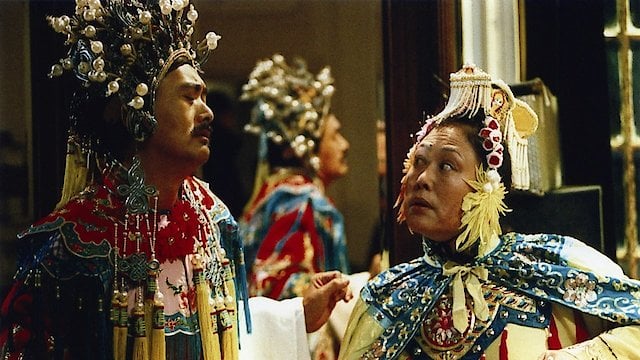
clubpitbullsalem.com – “The Postmodern Life of My Aunt,” directed by Ann Hui, is a 2006 Hong Kong comedy-drama film featuring an intriguing mix of humor and introspection. With a stellar cast including Siqin Gaowa and Chow Yun-fat, the film offers a poignant exploration of aging, identity, and the complexities of urban life in contemporary China.

Plot Overview

The narrative centers around Ye Rutang, portrayed by Siqin Gaowa, an aging woman who leads an independent yet mundane life in Shanghai. Her life takes an unexpected turn when she encounters Pan Zhichang, played by Chow Yun-fat, a charming but dubious man who disrupts her routine existence. As she navigates her changing circumstances, Ye Rutang faces challenges that test her resilience and adaptability.

Themes and Style

“The Postmodern Life of My Aunt” explores themes of modernity, loneliness, and the search for meaning in a rapidly changing world. The film uses a blend of comedy and drama to highlight the absurdities and realities of urban life. Through Ye Rutang’s experiences, the film delves into the struggles of maintaining one’s identity and dignity amidst societal pressures and personal dilemmas.

Characters and Performances

The film is anchored by Siqin Gaowa’s compelling performance as Ye Rutang, capturing the character’s vulnerability and strength. Chow Yun-fat’s portrayal of Pan Zhichang adds depth to the narrative, providing both comedic relief and a catalyst for Ye Rutang’s transformation. The supporting cast further enriches the story with their dynamic performances, contributing to the film’s emotional resonance.

Reception and Impact

Upon its release, “The Postmodern Life of My Aunt” received critical acclaim for its insightful storytelling and strong performances. The film was particularly praised for its ability to balance humor with serious themes, offering audiences a reflective yet entertaining cinematic experience. It remains a significant work in Ann Hui’s filmography, showcasing her skillful direction and nuanced approach to storytelling.

Conclusion

“The Postmodern Life of My Aunt” (2006) is a thought-provoking film that combines humor with a profound exploration of life in modern urban settings. Its engaging narrative and memorable performances make it a standout piece in contemporary Chinese cinema, offering viewers both laughter and contemplation.

The Enduring Legacy of “The Sixth Sense”

clubpitbullsalem.com – Released in 1999, “The Sixth Sense” is a psychological thriller that left an indelible mark on audiences and critics alike. Directed by M. Night Shyamalan, the film is renowned for its captivating storytelling, atmospheric tension, and one of the most memorable plot twists in cinematic history. It remains a touchstone in the thriller genre and continues to intrigue viewers with its haunting narrative and compelling performances.

The Storyline and Characters

At the heart of “The Sixth Sense” is the story of Malcolm Crowe, portrayed by Bruce Willis, a child psychologist who is determined to help a young boy named Cole Sear, played by Haley Joel Osment. Cole is troubled by his ability to see and communicate with spirits, a secret that isolates him from the world around him. The film expertly weaves their journey together, exploring themes of fear, redemption, and the power of human connection.

Atmosphere and Cinematic Craftsmanship

Shyamalan’s direction is masterful, creating a suspenseful atmosphere that keeps audiences on the edge of their seats. The film’s muted color palette, subtle visual cues, and eerie soundtrack contribute to its haunting mood. Each scene is meticulously crafted to build tension and foreshadow the film’s shocking conclusion, which has become one of the most iconic twists in film history.

Cultural Impact and Reception

“The Sixth Sense” received widespread acclaim for its storytelling, direction, and performances. It was a critical and commercial success, earning multiple Academy Award nominations, including Best Picture, Best Director, and Best Supporting Actor for Haley Joel Osment. The film’s twist ending became a cultural phenomenon, sparking discussions and analyses that persist to this day.

Legacy and Influence

The impact of “The Sixth Sense” extends beyond its initial release, influencing subsequent films and solidifying Shyamalan’s reputation as a master of suspense and surprise. Its success paved the way for a new wave of psychological thrillers and demonstrated the power of a well-executed twist ending. The film’s legacy is evident in its enduring popularity and continued relevance in popular culture.

Conclusion

“The Sixth Sense” remains a landmark film that resonates with audiences through its blend of mystery, emotion, and suspense. Its unforgettable twist and powerful performances ensure its place in cinematic history. As viewers continue to revisit this classic thriller, “The Sixth Sense” stands as a testament to the art of storytelling and the enduring allure of the mysterious and unknown.

Bajrangi Bhaijaan: A Tale of Love, Faith, and Humanity

clubpitbullsalem.com – “Bajrangi Bhaijaan,” directed by Kabir Khan and released in 2015, is a heartwarming Bollywood film that transcends borders and prejudices with its powerful narrative of love and humanity. The movie, featuring Salman Khan in the lead role, captivates audiences with its touching story and strong social message.

A Journey of Compassion and Courage

The film tells the story of Pavan Kumar Chaturvedi, fondly known as Bajrangi (Salman Khan), a devout follower of Lord Hanuman. His life takes an unexpected turn when he encounters Munni (Harshaali Malhotra), a mute six-year-old girl from Pakistan who is lost in India. Determined to reunite Munni with her family, Bajrangi embarks on a journey across the border, overcoming numerous obstacles with unwavering faith and compassion.

Themes of Unity and Humanity

“Bajrangi Bhaijaan” beautifully explores themes of unity, faith, and the innate goodness of humanity. The film challenges stereotypes and prejudices, emphasizing the power of empathy and kindness in bridging divides. As Bajrangi navigates the complexities of international borders and cultural differences, the story underscores the idea that love and humanity know no boundaries.

Cultural Impact and Reception

The film was a massive box office success and received critical acclaim for its engaging storyline, emotional depth, and standout performances. Salman Khan’s portrayal of the kind-hearted Bajrangi and Harshaali Malhotra’s endearing performance as Munni won the hearts of millions. “Bajrangi Bhaijaan” not only entertained audiences but also sparked meaningful conversations about cross-border relations and the importance of compassion.

Conclusion

“Bajrangi Bhaijaan” is a cinematic journey that celebrates the universal values of love and kindness. Through its compelling narrative and memorable characters, the film reminds us of the powerful impact of empathy and understanding in overcoming barriers. It stands as a testament to the enduring spirit of humanity and the belief that even the smallest acts of kindness can make a world of difference.