Singapura Siapkan Atraksi Wisata Bawah Laut Terbaru 2025

Singapura terus memperkuat posisinya sebagai destinasi wisata unggulan TRISULA88 di Asia Tenggara dengan menghadirkan berbagai atraksi wisata baru yang inovatif dan menarik pada tahun 2025. Salah satu yang paling mencuri perhatian adalah persiapan atraksi wisata bawah laut terbaru, Singapore Oceanarium, yang dijadwalkan akan menjadi salah satu akuarium terbesar dan paling interaktif di dunia.

Singapore Oceanarium merupakan bagian dari proyek perluasan Resorts World Sentosa yang akan membuka pengalaman baru bagi para pengunjung, terutama keluarga dan pecinta kehidupan laut. Akuarium ini dirancang ulang dengan ukuran tiga kali lipat lebih besar dari S.E.A. Aquarium yang sudah terkenal di Singapura. Dengan demikian, pengunjung dapat menikmati koleksi spesies laut yang jauh lebih beragam dan ekosistem laut yang lebih lengkap.

Atraksi bawah laut ini tidak hanya menawarkan keindahan visual, tetapi juga mengedepankan aspek konservasi laut dan edukasi bagi pengunjung, terutama anak-anak yang ingin belajar lebih banyak tentang pentingnya menjaga ekosistem laut. Dengan konsep yang interaktif, pengunjung dapat berpartisipasi dalam berbagai kegiatan yang mendekatkan mereka dengan kehidupan laut, seperti menyaksikan pakan ikan dan berbagai pertunjukan edukatif yang melibatkan hewan laut26.

Selain Singapore Oceanarium, Singapura juga menghadirkan atraksi wisata baru lainnya yang melengkapi pengalaman wisatawan. Misalnya, Minion Land di Universal Studios Singapore yang akan dibuka pada Februari 2025, menawarkan wahana simulator gerak 3D orisinal pertama di dunia yang eksklusif untuk Singapura. Zona ini membawa pengunjung ke dunia Gru dan Minion dengan restoran bertema dan toko-toko yang menyediakan aktivitas seru untuk segala usia12.

Atraksi Wisata Bawah Laut Terbaru 2025

Taman zoologi ini mengajak pengunjung menjelajahi hutan hujan dengan berbagai jalur petualangan yang memungkinkan mereka mengamati satwa liar dan keajaiban alam hutan, baik di atas maupun di bawah tanah. Konsep ini memberikan pengalaman wisata alam yang berbeda dan mendalam, menambah variasi destinasi wisata di Singapura12.

Dengan berbagai atraksi baru ini, Singapura tidak hanya fokus pada jumlah kunjungan wisatawan, tetapi juga pada kualitas pengalaman yang ditawarkan. Singapore Tourism Board menargetkan agar pengunjung mendapatkan pengalaman terbaik dan berkesan selama berlibur di Singapura, terutama dari pasar utama seperti Indonesia yang mencatat angka kunjungan tinggi15.

Ringkasan Atraksi Wisata Baru Singapura 2025:

Atraksi Deskripsi Singkat Waktu Buka
Singapore Oceanarium Akuarium terbesar dan interaktif, 3x lebih besar dari S.E.A Aquarium, dengan teknologi digital canggih 2025
Minion Land (Universal Studios) Wahana simulator 3D orisinal pertama di dunia, tema Minion dan Gru, restoran dan toko bertema 14 Februari 2025
Rainforest Wild Asia Taman zoologi bertema hutan hujan dengan jalur petualangan dan pengamatan satwa liar Maret 2025
Mandai Rainforest Resort Resor mewah yang menyatu dengan alam hutan hujan, kamar dengan ventilasi alami April 2025
Disney Adventure Cruise Kapal pesiar keluarga bertema Disney dengan hiburan dan aktivitas lengkap Desember 2025

Dengan berbagai inovasi ini, Singapura siap menyambut wisatawan dengan pengalaman yang tak terlupakan di tahun 2025.

Keindahan Senja di Swedia: Menikmati Matahari Tengah Malam di Utara

clubpitbullsalem – Swedia, negara yang terkenal dengan keindahan alamnya, menawarkan fenomena alam yang sangat menakjubkan bagi para wisatawan, yaitu Matahari Tengah Malam. Fenomena ini terjadi di wilayah utara Swedia, terutama di sekitar Lingkaran Arktik, di mana matahari tidak pernah terbenam selama musim panas.

Matahari Tengah Malam adalah fenomena alam di mana matahari tetap terlihat di langit bahkan pada tengah malam. Fenomena ini terjadi di daerah yang berada di utara Lingkaran Arktik selama musim panas, di mana sumbu bumi yang miring membuat belahan bumi utara lebih dekat ke matahari. Akibatnya, matahari tidak pernah benar-benar terbenam di bawah cakrawala, menciptakan siang hari yang terus-menerus selama beberapa minggu atau bahkan bulan penuh.

Salah satu tempat terbaik untuk menikmati Matahari Tengah Malam di Swedia adalah di wilayah Swedish Lapland, terutama di kota-kota seperti Kiruna, Abisko, dan Björkliden. Di Abisko, misalnya, Matahari Tengah Malam dapat dilihat dari akhir Mei hingga pertengahan Juli. Selama periode ini, matahari tetap di atas cakrawala selama 24 jam penuh, menciptakan pemandangan yang sangat indah dan unik.

Menikmati Matahari Tengah Malam di Swedia tidak hanya tentang melihat matahari yang tidak pernah terbenam, tetapi juga tentang berbagai aktivitas menarik yang dapat dilakukan di bawah cahaya terus-menerus ini. Berikut adalah beberapa aktivitas yang dapat dilakukan:

  1. Hiking di Abisko National Park: Abisko National Park menawarkan pemandangan alam yang spektakuler dengan pegunungan dan danau yang indah. Hiking di sini selama Matahari Tengah Malam memberikan pengalaman yang tak terlupakan, di mana Anda dapat menikmati cahaya keemasan yang menyelimuti alam sekitar.
  2. Naik Kereta Gantung di Nuolja: Dari puncak Nuolja, Anda dapat menikmati pemandangan yang luar biasa dari atas gunung sambil menyaksikan Matahari Tengah Malam. Aktivitas ini sangat populer di kalangan wisatawan yang ingin merasakan keindahan alam Swedia dari ketinggian.
  3. Bersantai di Sauna Tradisional: Di Jukkasjärvi, Anda dapat menikmati sauna tradisional sambil menyaksikan slot server jepang Matahari Tengah Malam. Pengalaman ini memberikan sensasi yang unik, di mana Anda dapat merasakan kehangatan sauna sambil melihat cahaya matahari yang tidak pernah terbenam.
  4. Mengunjungi Icehotel: Icehotel di Jukkasjärvi adalah salah satu landmark terkenal di Swedia. Meskipun terkenal dengan bangunannya yang terbuat dari es, Icehotel juga menawarkan pengalaman unik selama musim panas dengan Matahari Tengah Malam yang membuat suasana menjadi sangat magis.

Tips untuk Menikmati Matahari Tengah Malam

  1. Persiapkan Mata dan Tubuh: Karena matahari tidak pernah terbenam, tubuh Anda mungkin kesulitan untuk menyesuaikan diri dengan siklus tidur. Sebaiknya bawa penutup mata atau gunakan tirai gelap di kamar hotel untuk membantu Anda tidur lebih nyenyak.
  2. Pilih Waktu yang Tepat: Matahari Tengah Malam terjadi antara akhir Mei hingga pertengahan Juli. Pastikan Anda merencanakan perjalanan Anda selama periode ini untuk dapat menikmati fenomena ini sepenuhnya.
  3. Bawa Peralatan Fotografi: Momen ini sangat sayang untuk dilewatkan. Bawa kamera dan peralatan fotografi lainnya untuk mengabadikan keindahan Matahari Tengah Malam yang spektakuler.

Matahari Tengah Malam di Swedia adalah salah satu fenomena alam yang paling menakjubkan dan unik di dunia. Dengan pemandangan yang indah dan berbagai aktivitas menarik yang dapat dilakukan, menikmati Matahari Tengah Malam di utara Swedia adalah pengalaman yang tak terlupakan. Jika Anda berencana untuk mengunjungi Swedia, jangan lewatkan kesempatan untuk menyaksikan keindahan senja yang tiada duanya ini.

Niassa: A Land of Lakes and Forests

clubpitbullsalem.com – Niassa Province, located in the far north of Mozambique, is a region of breathtaking natural beauty and cultural diversity. Known for its vast lakes, dense forests, and diverse wildlife, Niassa offers a unique and unforgettable experience for adventurous travelers.

A Natural Wonderland

Niassa Province is home to Lake Niassa, one of Africa’s largest lakes, and Lake Malawi, renowned for its crystal-clear waters and diverse fish species. These lakes support a rich ecosystem, including hippos, crocodiles, and a variety of bird species. The surrounding forests are home to elephants, monkeys, and other wildlife.

A Cultural Tapestry

The province is inhabited by various ethnic groups, including the Yao, Makonde, and Nyanja. These groups have rich cultural traditions, reflected in their music, dance, and handicrafts. Traditional villages, with their distinctive architecture and way of life, offer a glimpse into the past.

A Developing Region

Niassa Province is one of the least developed regions in Mozambique, with limited infrastructure and access to basic services. However, the province’s vast natural resources, including timber, gemstones, and fisheries, offer significant potential for economic growth.

Challenges and Opportunities

Niassa Province faces challenges such as poverty, unemployment, and environmental degradation. However, the province’s government, with the support of international partners, is working to address these challenges and promote sustainable development.

The development of the Nacala Corridor, a major transportation route connecting the landlocked countries of Malawi, Zambia, and Zimbabwe to the port of Nacala, has opened up new opportunities for Niassa Province. The corridor has the potential to boost economic activity and improve the lives of the local population.

A Glimpse into the Future

Niassa Province has the potential to become a major tourist destination, attracting visitors who seek adventure, wildlife, and cultural experiences. By investing in infrastructure, promoting sustainable tourism, and protecting its natural environment, Niassa can secure a prosperous future for generations to come.

The Zhangye Danxia Landform: China’s Rainbow Mountains

clubpitbullsalem.com – The Zhangye Danxia Landform, located in the Gansu province of China, is a geological wonder known for its vibrant, multicolored rock formations. Often referred to as the “Rainbow Mountains,” this natural marvel has become a popular destination for tourists and photographers alike, offering a breathtaking display of nature’s artistry.

Geological Formation

The Making of a Natural Masterpiece

The Zhangye Danxia Landform was formed over millions of years through a combination of tectonic plate movements, weathering, and erosion. The unique coloration of the rocks is the result of layers of red sandstone and mineral deposits that have been compressed situs medusa88 and folded over time. These layers, exposed to the elements, have oxidized to produce the striking reds, yellows, blues, and greens seen today.

Geological Significance

The landform is a prime example of “Danxia” topography, a type of landscape characterized by its steep cliffs and multicolored ridges. This geological phenomenon is unique to China, with the Zhangye Danxia National Geological Park being one of the most famous and visually stunning examples.

Tourist Attractions

Viewing Platforms and Trails

Visitors to the Zhangye Danxia Landform can explore the area via a network of trails and viewing platforms that provide panoramic views of the colorful landscape. The best times to visit are during sunrise and sunset when the sunlight enhances the vivid hues of the rocks, creating a mesmerizing display.

Photography and Exploration

The vibrant colors and dramatic formations make the Zhangye Danxia Landform a photographer’s dream. Whether you’re a professional photographer or an amateur with a smartphone, the landscape provides endless opportunities for capturing stunning images. Guided tours are available for those who wish to learn more about the geological history and cultural significance of the area.

Environmental and Cultural Impact

Conservation Efforts

Due to its popularity and ecological importance, efforts have been made to protect and preserve the Zhangye Danxia Landform. The area is designated as a national geological park, with measures in place to minimize human impact and ensure sustainable tourism practices.

Cultural Significance

The Zhangye Danxia Landform is not only a natural wonder but also a cultural treasure. It reflects the rich geological history of the region and serves as an inspiration for local art and folklore. The landform’s beauty and uniqueness highlight the importance of preserving natural landscapes for future generations.

Conclusion

The Zhangye Danxia Landform stands as a testament to the incredible forces of nature that have shaped our planet. Its vibrant colors and unique formations continue to captivate and inspire all who visit. As a symbol of China’s natural heritage, the Rainbow Mountains offer a glimpse into the Earth’s dynamic history and the beauty that can arise from millions of years of geological processes.

Keindahan Musim di Jepang: Dari Musim Semi hingga Musim Dingin

clubpitbullsalem – Jepang, sebuah negara dengan empat musim yang sangat khas, selalu memikat wisatawan dari berbagai penjuru dunia dengan keindahan alamnya yang berubah sesuai dengan pergantian musim. Setiap musim di Jepang memiliki pesona tersendiri yang menawarkan pemandangan dan pengalaman yang berbeda-beda. Berikut adalah rangkuman keindahan musim di Jepang, mulai dari musim semi yang menawan hingga musim dingin yang memukau.

1. Musim Semi (Maret-Mei)

keindahan-musim-di-jepang-dari-musim-semi-hingga-musim-dingin

Musim semi di Jepang, atau disebut juga haru, adalah salah satu waktu yang paling dinanti-nantikan. Bunga sakura yang bermekaran di seluruh negeri menjadi ikon utama musim ini. Pada akhir Maret hingga awal April, bunga sakura mulai mekar, menciptakan pemandangan yang spektakuler dan penuh warna. Tradisi hanami, yaitu piknik di bawah pohon sakura sambil menikmati keindahan bunga, menjadi kegiatan favorit warga lokal dan turis.

Selain bunga sakura, di musim semi juga bermekaran berbagai bunga lain seperti ume (plum), nanohana (rapeseed), dan wisteria. Cuaca yang sejuk dan hangat membuat suasana semakin menyenangkan untuk berkeliling kota atau menikmati pemandangan alam di taman-taman terkenal seperti Taman Ueno di Tokyo atau Taman Maruyama di Kyoto.

2. Musim Panas (Juni-Agustus)

keindahan-musim-di-jepang-dari-musim-semi-hingga-musim-dingin

Musim panas di Jepang, dikenal sebagai natsu, identik dengan festival, bunga api, dan suasana pantai. Meskipun cuaca bisa sangat panas dan lembap, musim ini penuh dengan kehidupan dan perayaan. Di berbagai daerah, festival musim panas seperti Gion Matsuri di Kyoto, Nebuta Matsuri di Aomori, dan Tenjin Matsuri di Osaka menjadi magnet bagi para wisatawan. Festival ini menampilkan parade tradisional, musik, dan kembang api yang meriah.

Selama musim panas, banyak orang juga menikmati liburan di pantai atau mendaki gunung. Gunung Fuji, gunung tertinggi di Jepang, menjadi tujuan populer untuk pendakian. Selain itu, kebun bunga matahari di berbagai wilayah seperti Hokkaido dan Kanagawa menambah pesona musim panas yang cerah dan penuh warna.

3. Musim Gugur (September-November)

keindahan-musim-di-jepang-dari-musim-semi-hingga-musim-dingin

Musim gugur, atau aki, adalah waktu ketika slot server jepang berubah menjadi hamparan daun berwarna-warni. Daun momiji (daun maple) yang berubah warna menjadi merah, kuning, dan jingga menciptakan lanskap yang memukau. Kota-kota seperti Kyoto, Nara, dan Nikko terkenal dengan pemandangan musim gugurnya yang spektakuler.

Selama musim gugur, suhu mulai sejuk dan nyaman, menjadikannya waktu yang ideal untuk berjalan-jalan dan menikmati keindahan alam. Beberapa tempat terbaik untuk menikmati pemandangan daun gugur adalah Kuil Kiyomizu-dera di Kyoto, Gunung Takao di Tokyo, dan Danau Kawaguchi yang terletak dekat Gunung Fuji.

4. Musim Dingin (Desember-Februari)

keindahan-musim-di-jepang-dari-musim-semi-hingga-musim-dingin

Musim dingin di Jepang, atau fuyu, menghadirkan pemandangan salju yang magis, terutama di wilayah utara seperti Hokkaido. Wilayah ini terkenal dengan resor ski kelas dunia dan festival salju, seperti Festival Salju Sapporo, di mana patung-patung es dan salju raksasa dipamerkan dengan indah.

Selain ski dan snowboarding, musim dingin juga menjadi waktu yang tepat untuk berendam di onsen (pemandian air panas). Berendam di onsen sambil menikmati pemandangan salju yang turun adalah pengalaman yang sangat menenangkan. Salah satu tempat onsen terkenal adalah Hakone, yang terletak tidak jauh dari Tokyo.

Pada musim dingin, Jepang juga merayakan Tahun Baru, salah satu perayaan terpenting di negara ini. Tradisi kunjungan ke kuil (hatsumode) untuk berdoa demi keberuntungan di tahun baru menjadi bagian penting dari budaya Jepang.

Keindahan Jepang yang berubah seiring pergantian musim menjadikannya salah satu tujuan wisata terbaik di dunia. Mulai dari bunga sakura yang memikat di musim semi, festival yang meriah di musim panas, dedaunan yang indah di musim gugur, hingga salju yang menakjubkan di musim dingin, Jepang selalu memiliki daya tarik yang tak pernah habis. Bagi para pecinta alam dan budaya, setiap musim di Jepang menawarkan pengalaman yang berbeda, menjadikannya negara yang layak dikunjungi kapan saja sepanjang tahun.

Menyelami Keindahan Alam Kamboja

clubpitbullsalemKamboja, negara yang terkenal dengan warisan budaya dan sejarahnya, menawarkan pesona alam yang menakjubkan dan beragam keindahan yang siap memanjakan mata para wisatawan. Dengan lanskap yang beragam, mulai dari pegunungan, hutan tropis, hingga pantai yang eksotis, Kamboja menjadi tujuan wisata yang menarik untuk dijelajahi.

Salah satu daya tarik utama Kamboja adalah Angkor Wat, situs warisan dunia yang terkenal dan merupakan kompleks kuil terbesar di dunia. Meskipun Angkor Wat merupakan pencapaian arsitektur yang menakjubkan, alam di sekitarnya juga tidak kalah memukau. Hutan yang rimbun dan area hijau yang luas mengelilingi kuil-kuil kuno ini, menciptakan suasana yang damai dan menyegarkan.

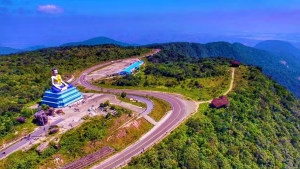
Di luar Angkor, terdapat Taman Nasional Bokor, yang terkenal dengan pemandangan pegunungan dan kabut tebal yang menyelimuti puncaknya. Wisatawan dapat melakukan trekking di hutan tropis yang kaya akan keanekaragaman hayati, termasuk berbagai spesies burung, kupu-kupu, dan flora langka.

menyelami-keindahan-alam-kamboja
Taman Nasional Bokor, Kamboja

Tak hanya memiliki situs sejarah, Kamboja juga menawarkan pantai-pantai indah, salah satunya di Sihanoukville. Dengan pasir putih dan air laut yang jernih, Sihanoukville adalah tempat yang ideal untuk bersantai dan menikmati aktivitas air. Pantai-pantai seperti Otres Beach dan Serendipity Beach sangat populer di kalangan wisatawan lokal maupun internasional. Di sini, pengunjung dapat menikmati olahraga air seperti snorkeling, menyelam, dan jet ski.

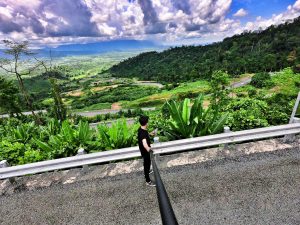
Kamboja juga kaya akan keanekaragaman hayati. Di Taman Nasional Cardamom, pengunjung dapat menjelajahi hutan hujan tropis yang merupakan rumah bagi berbagai spesies satwa liar, termasuk gajah, macan tutul, dan berbagai jenis burung. Ekowisata menjadi fokus utama di kawasan ini, di mana para wisatawan diajak untuk berkontribusi dalam pelestarian alam.

menyelami-keindahan-alam-kamboja
Taman Nasional Cardamom, Kamboja

Kunjungan ke kamboja slot tidak akan lengkap tanpa merasakan kehangatan masyarakatnya. Penduduk setempat terkenal ramah dan terbuka, dan mereka sangat bangga akan budaya dan tradisi mereka. Menghadiri festival lokal, mencicipi kuliner khas seperti Amok (ikan kukus dengan santan), dan belajar tentang kerajinan tangan tradisional dapat menjadi pengalaman yang sangat berharga.

Kamboja adalah destinasi yang menawarkan kombinasi menakjubkan antara keindahan alam, sejarah yang kaya, dan budaya yang beragam. Dari kuil-kuil kuno di Angkor hingga pantai-pantai menawan di Sihanoukville, setiap sudut Kamboja menyimpan pesona tersendiri. Bagi para pecinta alam dan petualangan, Kamboja adalah tempat yang wajib dikunjungi untuk menikmati keindahan alam yang luar biasa. Apakah Anda siap untuk menjelajahi keindahan alam Kamboja?

The FBI and National Security: A Critical Analysis

clubpitbullsalem.com – The Federal Bureau of Investigation (FBI) plays a pivotal role in safeguarding national security in the United States. This critical analysis explores the evolution of the FBI’s role, its current responsibilities, and the controversies surrounding its operations.

Evolution of the FBI’s Role

The FBI was established in 1908 by President Theodore Roosevelt to combat domestic terrorism and organized crime. Over the years, its mandate has expanded significantly, particularly after the September 11, 2001, attacks. The agency now focuses heavily on counterterrorism, counterintelligence, and the prevention of weapons of mass destruction (WMD).

Expansion Post-9/11

The FBI’s role in national security expanded dramatically following the 9/11 attacks. A national security branch was established in 2005 to centralize the agency’s efforts in counterterrorism, counterintelligence, and WMD prevention. This reorientation was part of a broader shift towards prioritizing national security over traditional law enforcement duties.

Current Responsibilities

The FBI’s current responsibilities are vast and include not only counterterrorism and counterintelligence but also the investigation of organized crime, white-collar crime, public corruption, and civil rights violations. The agency employs over 30,000 employees, with more than 12,000 dedicated to counterterrorism and counterintelligence, and nearly 7,000 working on intelligence.

Controversies and Criticisms

Despite its critical role, the FBI has faced significant criticism for overreach and misuse of power. The agency’s surveillance practices, particularly under the Foreign Intelligence Surveillance Act (FISA), have been scrutinized for potential violations of civil liberties.

FISA Surveillance

A 2019 study revealed that the FBI’s FISA surveillance practices were more intrusive than previously acknowledged. The study highlighted the need for greater transparency and oversight in the government’s secretive system for carrying out national-security surveillance on American soil.

Internal Security Breaches

In a notable incident, an FBI analyst was accused of illegally transferring and retaining numerous national security files over a 13-year period. This breach underscores the challenges in maintaining the security of sensitive information within the agency.

Challenges and Future Directions

The FBI faces ongoing challenges in balancing its national security responsibilities with the protection of civil liberties. The agency has been urged to improve its intelligence capabilities, including enhancing the role of analysts and strengthening the vetting of information from informants.

Enhancing Intelligence Capabilities

The FBI 9/11 Review Commission report highlighted the need for the agency to elevate the status of analysts and improve its ability to analyze information from informants. This is crucial for ensuring that the agency can effectively identify and mitigate threats without infringing on individual rights.

International Threats

The FBI has also been tasked with addressing international threats, particularly those posed by foreign governments like China. The agency has acknowledged that China poses significant risks to U.S. national security through data collection and manipulation of recommendation algorithms.

Conclusion

The FBI’s role in national security is complex and fraught with challenges. While the agency plays a vital role in protecting the nation from threats both domestic and international, it must navigate the delicate balance between security and civil liberties. Ongoing reforms and oversight are essential to ensure that the FBI continues to serve the public interest effectively and justly.

This critical analysis highlights the importance of the FBI’s role in national security but also calls for continued vigilance and reform to address the agency’s shortcomings and ensure that it operates within the bounds of the law and respect for individual rights.

A Natural and Cultural Guide: The Tongan Islands

clubpitbullsalem.com – The Tongan Islands, nestled in the South Pacific Ocean, are a captivating archipelago that offers a unique blend of natural beauty and rich cultural heritage. Comprising over 170 islands, only about 50 of which are inhabited, Tonga is the only Polynesian nation that was never formally colonized. This autonomy has allowed the Tongan culture to flourish, creating a fascinating tapestry of traditions, customs, and natural wonders.

Natural Wonders of the Tongan Islands

Marine Life and Coral Reefs

The Tongan archipelago is renowned for its vibrant marine life and pristine coral reefs. The waters surrounding the islands are a haven for divers and snorkelers, offering the chance to swim alongside humpback whales during their migration season, explore underwater caves, and witness an array of tropical fish and coral species. The Ha’apai and Vava’u groups are particularly famous for their unspoiled dive sites.

Volcanic Landscapes

Tonga’s geological history is marked by volcanic activity, which has shaped the islands’ dramatic landscapes. The active volcanoes, such as Kadovar and Fonualei, are a testament to the archipelago’s dynamic geology. Hiking and exploring these volcanic terrains provide an adventurous experience, with breathtaking views and unique ecosystems to discover.

Unique Flora and Fauna

The Tongan Islands are home to a variety of endemic flora and fauna. The Tongan flying fox, the Tongan imperial pigeon, and the Tongan whistling dove are among the unique wildlife species that inhabit the islands. Conservation efforts are in place to protect these species and their natural habitats.

Cultural Heritage of Tonga

Traditional Arts and Crafts

Tongan culture is rich in traditional arts, including wood carving, tapa cloth making, and the creation of fine mats. These crafts are not only aesthetically pleasing but also hold deep cultural significance, often being used in ceremonies and as gifts.

Music and Dance

Music and dance are integral to Tongan society. The ‘Otu Tonga Dance Troupe, for example, performs traditional dances that tell stories of Tongan history and mythology. The use of traditional instruments like the nose flute and slit drum accompanies these performances, creating a mesmerizing experience for both locals and visitors.

Cuisine

Tongan cuisine is a reflection of the islands’ bounty. Seafood, root crops like taro and yams, and tropical fruits are staples of the diet. Dishes such as ‘umu’—food cooked in an underground oven—and ‘kokoda’—a raw fish salad—are must-tries for visitors. The communal aspect of dining, where families and friends gather to share meals, is a cherished tradition.

Conclusion

The Tongan Islands offer a captivating journey through both natural and cultural landscapes. From the underwater marvels of its coral reefs to the rich tapestry of its cultural heritage, Tonga invites exploration and appreciation of its unique offerings. Whether you’re an adventurer seeking to dive with whales, a culture enthusiast looking to immerse yourself in ancient traditions, or a food lover eager to taste the flavors of the Pacific, the Tongan Islands promise an unforgettable experience.

Tunisian Traditions in Modern Times: The Art of Hospitality

clubpitbullsalem.com – Tunisia, a country rich in history and culture, has long been renowned for its exceptional hospitality. This tradition is deeply ingrained in the Tunisian way of life, where guests are treated with the utmost respect and generosity. From the bustling streets of Tunis to the tranquil villages in the countryside, the warmth and openness of Tunisian people create an unforgettable experience for visitors.

The Role of Food in Tunisian Hospitality

Food plays a central role in Tunisian hospitality. Guests are often welcomed with a spread of delicious local dishes, such as couscous, brik, and tajine, accompanied by freshly baked bread and a variety of mouthwatering sweets. The act of sharing a meal is not just about the food itself but about the communal experience and the opportunity to connect and build relationships.

The Importance of Tea and Coffee

Tea and coffee are integral to Tunisian hospitality. Serving mint tea, known as “atay,” is a ritual that signifies welcome and respect. The preparation and presentation of tea, often accompanied by small talk and laughter, create a relaxed and inviting atmosphere. Similarly, coffee, particularly Turkish coffee, is offered as a gesture of friendship and is an essential part of social gatherings.

Modern Interpretations of Tunisian Hospitality

In modern times, Tunisian hospitality has adapted to the changing world while retaining its core values. Hotels and restaurants across the country blend traditional hospitality with contemporary comforts, ensuring that guests feel at home. From luxury resorts to boutique hotels, the emphasis on personalized service and attention to detail reflects the enduring spirit of Tunisian hospitality.

The Influence of Hospitality on Tunisian Tourism

The art of hospitality is a significant draw for tourists visiting Tunisia. The warm reception and genuine care provided by Tunisians contribute to the country’s appeal as a tourist destination. Whether exploring ancient ruins, relaxing on beautiful beaches, or experiencing the vibrant culture, visitors are consistently impressed by the hospitality they encounter.

Preserving Traditions for Future Generations

As Tunisia continues to modernize, there is a concerted effort to preserve the traditions of hospitality. Educational programs and cultural initiatives aim to instill the values of generosity and respect in the younger generation. By keeping these traditions alive, Tunisia ensures that its reputation for exceptional hospitality will endure for years to come.

The Impact of Hospitality on Social Cohesion

Beyond tourism, Tunisian hospitality plays a crucial role in social cohesion. It fosters a sense of community and belonging, bringing people together to share in life’s joys and challenges. The open-door policy and the willingness to help others are fundamental to Tunisian society, promoting a harmonious and inclusive environment.

Tunisian Hospitality in the Global Context

Tunisian hospitality is not just a local tradition; it is a global asset. In an increasingly interconnected world, the warmth and generosity of Tunisian people serve as a bridge between cultures. It is a reminder of the universal values of kindness, respect, and the importance of human connections.

Embracing the Future with Open Arms

As Tunisia looks to the future, the art of hospitality remains a cornerstone of its identity. By embracing modernity while holding onto tradition, Tunisia continues to welcome the world with open arms. The legacy of Tunisian hospitality is a testament to the enduring power of human kindness and the joy of sharing one’s culture with others.

Asmara: Eritrea’s Capital and Largest City

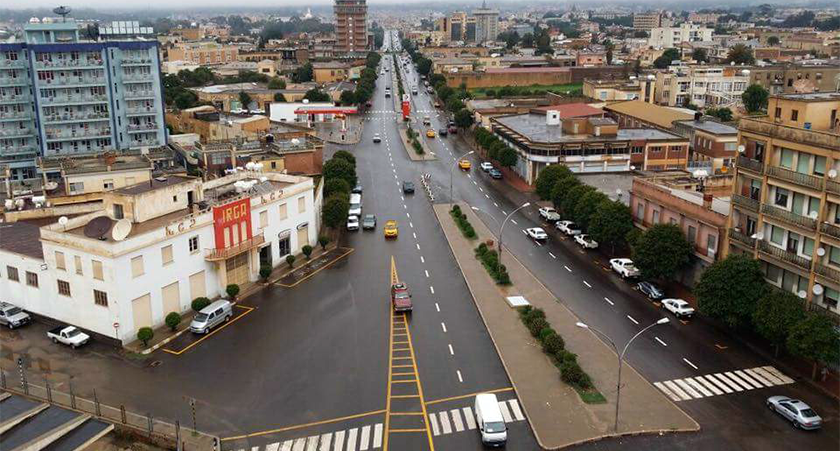
clubpitbullsalem.com – Asmara, the capital and largest city of Eritrea, is a unique blend of history, culture, and modernity. Nestled at an elevation of 2,325 meters (7,628 feet) in the central highlands of Eritrea, Asmara is often referred to as the “Roof of Africa” due to its high altitude. The city’s strategic location has made it a significant administrative, commercial, and transportation hub in the Horn of Africa.

Historical Background

Asmara’s history is as rich as it is complex. The city was originally a small village inhabited by the Saho people. Its strategic location attracted the attention of various powers, including the Ottoman Empire, Egypt, and eventually Italy. In the late 19th century, Italy began its colonial expansion into the region, and Asmara became the capital of Italian Eritrea in 1897.

During the Italian colonial period, Asmara underwent significant development. The Italians invested heavily in the city’s infrastructure, including the construction of roads, buildings, and the Asmara-Massawa railway, the first in Africa. This era left a lasting architectural legacy, with many Art Deco, Futurist, and Rationalist buildings still standing today.

Cultural Landscape

Asmara’s cultural landscape is a testament to its diverse history. The city is home to a mix of Eritrean, Italian, and other African cultures. This diversity is reflected in the city’s architecture, cuisine, and traditions. Asmara’s old city is a UNESCO World Heritage Site, recognized for its unique collection of early 20th-century buildings.

The city’s culinary scene is a melting pot of flavors, offering a variety of Eritrean, Italian, and Middle Eastern dishes. The traditional Eritrean coffee ceremony is a must-experience for visitors, offering a glimpse into the local culture and hospitality.

Economic and Infrastructure Development

Asmara serves as the economic heart of Eritrea. The city is home to a growing service sector, including banking, telecommunications, and retail. The government has invested in infrastructure projects to support the city’s growth, including the expansion of the Asmara International Airport and improvements to the city’s road network.

Despite its economic progress, Asmara faces challenges common to many African cities, including rapid urbanization and the need for sustainable development. The government and international partners are working on initiatives to address these issues and ensure the city’s long-term prosperity.

Tourism and Attractions

Asmara’s unique blend of history and culture makes it an attractive destination for tourists. Key attractions include the Asmara Cathedral, the National Museum, and the open-air market. The city’s cool climate and scenic views also make it a popular destination for outdoor activities such as hiking and mountain biking.

The Eritrean government and local businesses are working to develop the city’s tourism potential, with a focus on cultural tourism and eco-tourism. Efforts are being made to preserve the city’s historical sites and promote sustainable tourism practices.

Conclusion

Asmara is more than just the capital of Eritrea; it is a city that embodies the country’s rich history, cultural diversity, and potential for growth. With its unique blend of modernity and tradition, Asmara stands as a testament to the resilience and creativity of its people. As the city continues to develop, it remains an important center for culture, economy, and politics in the Horn of Africa.

A Journey Through Flavors and Traditions: Vietnamese Cuisine

clubpitbullsalem.com – Vietnamese cuisine is a harmonious blend of flavors, textures, and colors that reflects the country’s rich history and diverse culture. With influences from China, France, and other Southeast Asian nations, Vietnamese food is characterized by its emphasis on fresh ingredients, minimal use of oil, and a balance of salty, sweet, sour, and bitter tastes. This culinary tradition is deeply intertwined with the daily life and social customs of Vietnam, making it a journey not just for the palate but for the soul.

The Foundations of Vietnamese Flavors

Fresh Ingredients

At the heart of Vietnamese cuisine lies the importance of fresh, seasonal ingredients. Herbs such as cilantro, mint, and basil are used liberally to add freshness and aroma to dishes. Vegetables, often served raw or lightly pickled, provide a crunchy texture and a burst of vitamins. Seafood, poultry, and meat are typically cooked quickly over high heat to preserve their natural flavors.

The Balance of Flavors

Vietnamese dishes are carefully crafted to balance the five fundamental flavors: salty, sweet, sour, bitter, and umami. This balance is achieved through the use of ingredients like fish sauce (nuoc mam), soy sauce, lime juice, sugar, and various spices. The result is a symphony of tastes that is both complex and comforting.

Signature Dishes of Vietnamese Cuisine

Pho: The National Dish

No discussion of Vietnamese cuisine is complete without mentioning pho, the iconic beef or chicken noodle soup. Pho is a perfect example of the balance and depth of flavors that define Vietnamese cooking. The broth, which can take hours to simmer, is infused with ginger, star anise, cinnamon, and cloves, creating a rich and aromatic base. Served with rice noodles, thinly sliced beef or chicken, and a plate of fresh herbs and bean sprouts, pho is a meal that warms the body and the spirit.

Banh Mi: The Vietnamese Sandwich

Banh mi is another beloved dish that showcases the fusion of Vietnamese and French culinary traditions. This sandwich is made with a crispy baguette filled with a variety of meats, pickled vegetables, chili peppers, and mayonnaise. The combination of textures and flavors makes banh mi a popular choice for a quick and satisfying meal.

Spring Rolls: A Taste of Freshness

Spring rolls, both fresh (goi cuon) and fried (cha gio), are a delightful way to experience the freshness and diversity of Vietnamese cuisine. Filled with shrimp, pork, rice vermicelli, herbs, and sometimes lettuce, these rolls are dipped in a sweet and tangy sauce that enhances their flavors.

The Cultural Significance of Vietnamese Food

Vietnamese cuisine is more than just food; it is a reflection of the country’s history, culture, and social values. Meals are often communal affairs, with families and friends gathering around the table to share dishes and conversation. The act of eating together strengthens bonds and fosters a sense of community.

Conclusion

Vietnamese cuisine is a testament to the country’s resilience, creativity, and love for good food. From the bustling streets of Hanoi to the serene countryside of Hoi An, the flavors of Vietnam offer a journey that is both exhilarating and comforting. Whether you’re savoring a bowl of pho, biting into a banh mi, or wrapping your hands around a fresh spring roll, each dish tells a story of Vietnam’s past, present, and future.

Human Rights Challenges in El Salvador: A Critical Analysis

clubpitbullsalem.com – El Salvador, a country grappling with deep-seated issues of violence and governance, has seen a significant escalation in human rights violations under the leadership of President Nayib Bukele. This analysis explores the multifaceted challenges that have led to a critical human rights crisis in the country.

State of Emergency and Human Rights Violations

In response to escalating gang violence, President Bukele declared a state of emergency in March 2022, which has been extended multiple times and remains in effect. This measure, while aimed at curbing gang activity, has led to widespread human rights abuses. The suspension of basic rights, including the right to freedom of association and assembly, has facilitated mass arbitrary detentions, with over 73,000 people arrested, including children as young as 12.

The lack of transparency and accountability in these detentions has raised concerns about due process and the rule of law. Reports of torture, ill-treatment, and deaths in custody have also emerged, with at least 189 detainees dying during the state of emergency.

Judicial Independence and Political Manipulation

President Bukele and his allies have systematically dismantled democratic checks and balances, particularly through the manipulation of the judiciary. The removal and replacement of Supreme Court judges and the attorney general, as well as the expansion of the Supreme Court, have weakened judicial independence.

The government’s use of counterterrorism legislation and the expansion of pretrial detention powers have been criticized for their potential to infringe on fundamental rights. These measures have been used to detain individuals without due process, often based on vague or unverified allegations.

Gang Violence and Security Measures

El Salvador has long struggled with gang violence, which has been exacerbated by the government’s heavy-handed response. While the overall homicide rate has decreased, the methods used to achieve this have raised significant human rights concerns. The state of emergency and the mass arrests have targeted marginalized communities, often without clear evidence of gang involvement.

The government’s approach has also included negotiations with gangs, which have been criticized for their lack of transparency and the potential for abuse of power. These negotiations have sometimes led to a temporary reduction in violence but have not addressed the root causes of gang activity.

International and Domestic Criticisms

International human rights organizations, such as Amnesty International and Human Rights Watch, have consistently criticized the Salvadoran government for its human rights record. They have documented widespread abuses, including arbitrary detentions, torture, and the erosion of judicial independence.

Domestically, there have been calls for accountability and reform from civil society and opposition parties. However, the government’s control over the legislature and judiciary has made it difficult for these voices to be heard or acted upon.

Conclusion

The human rights challenges in El Salvador are deeply intertwined with the country’s political and social dynamics. While the government’s efforts to combat gang violence are understandable, the methods used have led to a significant erosion of human rights protections. The international community must continue to monitor the situation and advocate for reforms that respect human rights and the rule of law. Only through a comprehensive approach that addresses both the symptoms and the root causes of violence can El Salvador hope to achieve lasting peace and stability.

The Influence of EVO Japan 2024 on the E-Sports Landscape

clubpitbullsalem.com – EVO Japan 2024, held from April 27 to 29 at the Ariake GYM-EX in Tokyo, has left a significant mark on the e-sports scene. As one of the largest fighting game tournaments globally, it not only showcased the latest in competitive gaming but also introduced new elements that are likely to influence the future of e-sports.

Innovative Gameplay and New Characters

One of the most notable aspects of EVO Japan 2024 was the introduction of Illaoi, a new character in the game, during the 2XKO Demo. Illaoi, the Kraken Priestess, was made available exclusively for testing at the event, giving attendees a first-hand experience with the character’s mechanics and impact on gameplay. This not only added excitement to the tournament but also provided valuable feedback to developers, helping to refine the character’s abilities and integration into the game.

Record-Breaking Participation

The tournament saw a record-breaking number of participants, with over 9,182 competitors from around the world. This high turnout reflects the growing popularity of e-sports and the increasing interest in competitive gaming. The event’s success in attracting such a large audience underscores the global appeal of e-sports and the potential for further growth.

Competitive Highlights and Announcements

EVO Japan 2024 was also significant for its competitive highlights and announcements. The Granblue Fantasy Versus: Rising tournament, held as part of the event, was a Platinum Qualifier for the Arc World Tour, showcasing top-tier competitive play and attracting attention from both players and spectators. Additionally, the event featured the latest build of 2XKO, allowing players to test and provide feedback on the game’s latest updates.

Future Implications

The success of EVO Japan 2024 has several implications for the future of e-sports. Firstly, it demonstrates the potential for e-sports to continue growing in popularity and reach, with events like EVO Japan serving as a platform for global competition and innovation. Secondly, the introduction of new characters and game updates during the event highlights the ongoing evolution of e-sports, where tournaments are not just about competition but also about testing and refining the games themselves.

In conclusion, EVO Japan 2024 has had a profound impact on the e-sports landscape. By introducing new characters, attracting record-breaking participation, and showcasing top-tier competitive play, the event has set a high standard for future e-sports tournaments. As e-sports continues to evolve, events like EVO Japan will play a crucial role in driving innovation and growth within the industry.

The United Nations’ Role in Shaping Panama’s Future

clubpitbullsalem.com – The United Nations (UN) plays a pivotal role in shaping the future of Panama, a country that is at a critical juncture as it prepares for upcoming elections and embarks on a new strategic development plan. The UN’s involvement is multifaceted, encompassing sustainable development, policy-making, and fostering international cooperation to address the country’s most pressing challenges.

Sustainable Development and Equity

Panama’s commitment to the UN’s Sustainable Development Goals (SDGs) is evident in its efforts to build an inclusive and sustainable future. The UN has been instrumental in supporting Panama’s initiatives to reduce multidimensional poverty and promote equity. The establishment of the multidimensional poverty index as a principal instrument for shaping public policy reflects the UN’s influence in guiding the country towards more sustainable and equitable development paths.

Strategic Planning and Policy-Making

The UN has been actively involved in shaping Panama’s strategic development plans. The upcoming elections in May 2024 are crucial as the new administration will shape a five-year strategic development plan aligned with Agenda 2030, a testament to the UN’s role in influencing long-term policy directions. The UN Futures Lab, which empowers the UN System and beyond to use futures thinking and strategic foresight in planning and policy-making, underscores the UN’s commitment to shaping Panama’s future through innovative and forward-looking strategies.

International Cooperation and Dialogue

The UN has also facilitated international cooperation and dialogue, which are essential for addressing global challenges such as inequality, organized crime, and human trafficking. Panama’s call for a national dialogue to make wise decisions reflects the UN’s influence in promoting inclusive governance and international cooperation. The UN’s role in shaping Panama’s future extends beyond its borders, as the country’s strategic location as a global trade and logistics hub is recognized and supported by the UN’s efforts to enhance international cooperation.

Conclusion

The UN’s role in shaping Panama’s future is crucial and multifaceted, encompassing support for sustainable development, strategic planning, and fostering international cooperation. As Panama moves forward with its development plans, the UN’s continued involvement will be essential in guiding the country towards a more inclusive, sustainable, and prosperous future. The UN’s commitment to the SDGs and its innovative approaches to policy-making and international cooperation position it as a key partner in shaping Panama’s future.

Riga: Portrait of a City and Historical Background

clubpitbullsalem.com – Nestled on the banks of the Daugava River, Riga, the capital of Latvia, is a city that seamlessly blends historical charm with modern vibrancy. Known for its well-preserved Art Nouveau architecture and a rich tapestry of cultural influences, Riga offers a unique experience for visitors and residents alike. This article delves into the heart of Riga, exploring its history, culture, and the myriad attractions that make it a must-visit destination in Europe.

Historical Background

Riga’s history is as rich and varied as its architectural landscape. Founded in 1201 by Albert of Riga, the city quickly became an important trade center, thanks to its strategic location on the Baltic Sea. Over the centuries, Riga has been under the rule of various powers, including the Livonian Order, Poland–Lithuania, Sweden, and Russia, each leaving their mark on the city’s culture and architecture.

Art Nouveau Architecture

One of Riga’s most distinctive features is its abundance of Art Nouveau buildings, the largest collection in the world. This architectural style, characterized by its intricate facades adorned with floral motifs, mythical creatures, and human figures, flourished in Riga at the turn of the 20th century. A walk through the city’s center reveals a treasure trove of these buildings, with the most notable examples found on Alberta iela and Elizabetes iela.

Cultural Scene

Riga’s cultural scene is as vibrant as its architectural landscape. The city is home to numerous museums, galleries, and theaters, showcasing both Latvian and international works. The National Museum of Art and the Latvian National Opera are just two of the many cultural institutions that contribute to Riga’s reputation as a cultural hub in the Baltic region.

Culinary Delights

Latvian cuisine, with its emphasis on fresh, seasonal ingredients, offers a delightful culinary experience. Riga’s food scene ranges from traditional Latvian restaurants serving dishes like piragi (meat pies) and sklandrausis (a type of sweet potato pie) to modern eateries offering innovative takes on local flavors. The city’s markets, such as the Central Market, are also a must-visit for food enthusiasts, offering a wide array of local produce and delicacies.

Green Spaces and Recreation

Despite its urban setting, Riga is home to numerous parks and green spaces, providing residents and visitors alike with a respite from the hustle and bustle of city life. The most notable of these is the Jurmala beach, located just a short distance from the city center, offering a perfect escape with its white sands and dunes.

Conclusion

Riga, with its rich history, stunning architecture, vibrant culture, and delicious cuisine, offers a unique and enriching experience for all who visit. Whether exploring its Art Nouveau masterpieces, indulging in its culinary delights, or simply enjoying its green spaces, Riga promises an unforgettable journey through a city that proudly wears its past while confidently striding into the future.

Protecting Against Fraud: Passport Security Features

clubpitbullsalem.com – In an era where international travel has become increasingly common, the security of travel documents like passports is more critical than ever. Passport fraud not only undermines national security but also poses significant challenges to global travel integrity. To combat this, governments worldwide have implemented a range of sophisticated security features in passports. These features are designed to make it difficult for counterfeiters to replicate and to enable authorities to quickly and accurately verify the authenticity of passports.

Biometric Data

One of the most significant advancements in passport security is the integration of biometric data. Biometric passports, also known as e-passports, contain an embedded electronic microprocessor chip that stores biometric information such as the passport holder’s facial image or fingerprints. This technology ensures that the person presenting the passport is the same individual to whom the passport was issued, significantly reducing the risk of identity theft and fraud.

Holograms and Special Inks

Holograms are another key security feature found in modern passports. These are complex, three-dimensional images that are difficult to replicate and are visible when the passport is tilted. They often contain intricate designs and hidden messages that are unique to each issuing country.

Special inks, such as optically variable inks, are also used in passport printing. These inks change color when viewed from different angles, making them hard to counterfeit.

Watermarks and Security Threads

Watermarks are patterns or symbols that are embedded in the paper during the manufacturing process. They are visible when the passport page is held up to the light and are a sign of the paper’s authenticity.

Security threads are thin strips embedded in the passport paper that contain various designs, patterns, or text that are visible when held up to the light. These threads are difficult to replicate and serve as a strong indicator of a passport’s legitimacy.

Laser Engraving and Microprinting

Laser engraving is used to create permanent, tamper-evident markings on passport pages. This technology ensures that any attempt to alter the passport will be immediately apparent.

Microprinting involves the use of extremely small text that is readable under magnification. This text is often found in the background of passport pages and is another layer of security against counterfeiting.

Machine-Readable Zones (MRZ)

The Machine-Readable Zone is a specific area on the passport data page that contains the passport holder’s personal information in a format that can be read by machines. This feature facilitates the quick and accurate processing of travelers at border control points and helps in detecting any discrepancies or alterations in the passport data.

RFID Protection

Radio-frequency identification (RFID) technology, which is used in biometric passports, can be vulnerable to skimming, where unauthorized readers can capture the data from a distance. To protect against this, many passports now come with RFID-blocking sleeves or materials that prevent unauthorized access to the chip’s data.

Conclusion

The security features in modern passports are a testament to the ongoing battle against fraud and identity theft. By combining advanced technology with traditional security measures, countries are better equipped to protect their citizens and maintain the integrity of international travel. As technology continues to evolve, so too will the security features of passports, ensuring that they remain a reliable and secure form of identification for years to come.

Togo Infrastructure Development: Connectivity and Growth

clubpitbullsalem.com – Togo’s infrastructure development is a critical component of its economic growth strategy, focusing on improving road networks, enhancing port facilities, and expanding power generation capabilities. This article explores the current state and future plans of Togo’s infrastructure, highlighting the key projects and their significance.

Road Development

Togo’s road infrastructure is a cornerstone of its development strategy. The government has allocated a significant budget to road development projects. In 2024, Togo plans to spend CFA84 billion on road development projects, which represents 98% of the forecast budget of the Ministry of Public Works (MTP). This investment is crucial for improving connectivity within the country and facilitating trade and economic activities.

Port Facilities

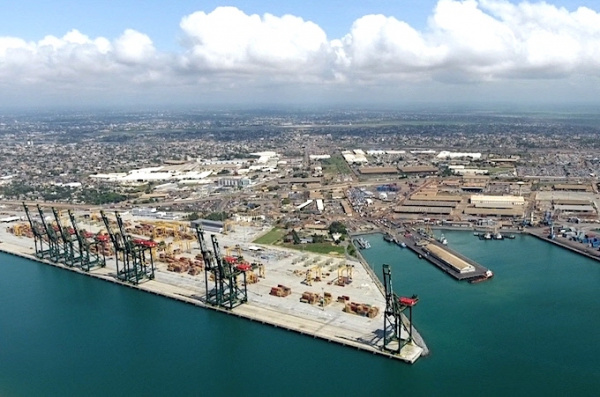
Togo’s main port plays a vital role in the sub-regional economy, contributing significantly to the commercial and transport sector. The port’s efficiency and capacity are essential for supporting the growth of the country’s economy and its integration into regional trade networks.

Power Infrastructure

Electricity generation and distribution are areas where Togo faces significant challenges. The country lacks adequate power infrastructure, which hampers economic development and social progress. To address this, the Togo Infrastructure and Urban Development Project is focusing on improving power infrastructure. This project is supported by investors and the International Finance Corporation (IFC), aiming to enhance the reliability and accessibility of electricity in Togo.

Conclusion

Togo’s infrastructure development efforts are pivotal for its economic growth and regional integration. By investing in roads, ports, and power, the government is laying the groundwork for a more connected and prosperous future. These projects not only improve the quality of life for Togolese citizens but also position the country as a more attractive destination for investment and trade. As Togo continues to advance its infrastructure, it is poised to become a leader in sub-Saharan Africa, leveraging its strategic location and natural resources to drive sustainable development.

Building for the Future: Zimbabwe’s Infrastructure

clubpitbullsalem.com – Zimbabwe’s infrastructure development is a cornerstone of its national vision, aiming to transform the country into an upper middle-income economy by 2030. The government’s commitment to infrastructure development is not just about building roads and bridges but about laying the foundation for a sustainable and prosperous future. This article explores the current state and future prospects of Zimbabwe’s infrastructure, highlighting key projects and the broader goals behind these initiatives.

Current Infrastructure Projects

Zimbabwe’s infrastructure development is marked by several significant projects that are underway or planned. The rehabilitation of the Plumtree-Mutare Highway and the revitalization of the National Railways of Zimbabwe (NRZ) are among the key projects aimed at improving connectivity and efficiency in transportation. Additionally, the construction of additional 280 km of electricity transmission and distribution infrastructure is part of the National Development Strategy 1 (NDS1), which also includes increasing access to potable water and enhancing water storage capacity.

Sustainable Infrastructure

Sustainability is a central theme in Zimbabwe’s infrastructure development. The government is promoting green building standards, renewable energy sources, and environmentally friendly construction materials to ensure that infrastructure growth is environmentally sustainable. This approach aligns with the broader goal of sustainable infrastructure development, which includes higher, greener, and more energy-efficient buildings, as well as investments in urban planning, water, and waste management.

Economic and Regional Integration

The infrastructure development in Zimbabwe is crucial for achieving the country’s economic goals and enhancing regional integration. By improving its infrastructure, Zimbabwe aims to attract more investment, boost economic growth, and facilitate trade within the region. The government’s vision is to leverage infrastructure development as a key enabler of its economic transformation strategy.

Future Prospects

The future of Zimbabwe’s infrastructure development looks promising, with the Second Republic’s initiatives receiving commendation and support. The focus on sustainable and transformative infrastructure projects is expected to contribute significantly to the country’s future prosperity. As Zimbabwe continues to invest in its infrastructure, it is poised to make a lasting impact on its economic landscape and quality of life.

Conclusion

Zimbabwe’s infrastructure development is a testament to its commitment to building a sustainable and prosperous future. By focusing on sustainable projects and integrating them with economic and regional goals, the country is setting a path for long-term growth and development. As Zimbabwe continues to advance its infrastructure projects, it is clear that these efforts are not just about building roads and bridges but about building a future where the nation can thrive.

A Lifeline for Landlocked Neighbors: The Djibouti Port

clubpitbullsalem.com – The Djibouti Port stands as a pivotal maritime hub in the Horn of Africa, serving not only the Republic of Djibouti but also acting as a critical lifeline for its landlocked neighbors. This article delves into the strategic importance of the Djibouti Port and its role in facilitating trade, economic development, and regional integration for countries that lack direct access to the sea.

Strategic Location and Infrastructure

Situated at the mouth of the Red Sea, the Djibouti Port benefits from a strategic location that connects the Indian Ocean to the Suez Canal, making it a vital transit point for international trade routes. The port’s modern infrastructure, including deep-water berths, container terminals, and logistics centers, ensures efficient handling of cargo, which is essential for the landlocked countries of Ethiopia, South Sudan, Uganda, Rwanda, and the Central African Republic.

Economic Impact on Neighboring Countries

For landlocked nations, access to the sea is a critical factor in economic growth and development. The Djibouti Port provides these countries with a gateway to global markets, enabling them to import essential goods and export their products. This access is particularly important for Ethiopia, which relies heavily on the port for over 90% of its international trade. The economic benefits extend to other landlocked neighbors, as the port’s facilities reduce transit times and costs, thereby enhancing their competitiveness in international trade.

Regional Integration and Development

The Djibouti Port plays a crucial role in promoting regional integration by facilitating the movement of goods and people across borders. This connectivity has led to the development of trade corridors and has fostered economic cooperation among the countries in the Horn of Africa and the Great Lakes region. The port’s role in regional development is further amplified by its investments in rail and road networks, which improve land connectivity and reduce the isolation of landlocked states.

Challenges and Future Prospects

Despite its strategic importance, the Djibouti Port faces challenges such as congestion, competition from other ports, and the need for continuous investment in infrastructure to meet growing demand. However, with ongoing expansion projects and the adoption of advanced technologies, the port is poised to enhance its capacity and efficiency. The future prospects for the Djibouti Port are promising, with potential to further solidify its position as a key driver of economic growth and regional integration in East Africa.

Conclusion

The Djibouti Port is more than just a maritime facility; it is a lifeline for the landlocked countries of the Horn of Africa and beyond. Its strategic location, modern infrastructure, and commitment to regional integration make it an indispensable asset for the economic development and prosperity of the region. As the port continues to evolve and expand, its role as a vital link in global trade routes will undoubtedly grow, benefiting not only Djibouti but also its landlocked neighbors.

Popular Uprisings and Political Change: The Arab Spring

clubpitbullsalem.com – The Arab Spring, a series of anti-government protests, uprisings, and armed rebellions that spread across much of the Arab world in the early 2010s, was a pivotal moment in modern history. It began in late 2010 and continued into 2012, catching the world’s attention and sparking a wave of political change that had far-reaching consequences. The movement was marked by a common demand for dignity, freedom, and an end to corruption and oppressive regimes.

The Spark: Tunisia

The Arab Spring was ignited in Tunisia, where a fruit vendor, Mohamed Bouazizi, set himself ablaze in protest against police corruption and ill-treatment. His act of desperation became a catalyst for the Tunisian Revolution, leading to the ousting of President Zine El Abidine Ben Ali after 23 years in power. The success of the Tunisian uprising inspired similar movements across the region.

Spreading Across the Arab World

The movement quickly spread to Egypt, where mass protests led to the resignation of President Hosni Mubarak after 18 days of demonstrations in Tahrir Square. The Arab Spring also reached Libya, where a civil war erupted, leading to the overthrow and death of Muammar Gaddafi. In Yemen, President Ali Abdullah Saleh stepped down after months of protests and international pressure.

The Syrian Tragedy

Perhaps the most tragic outcome of the Arab Spring was in Syria, where peaceful protests were met with a brutal government crackdown. The situation escalated into a full-scale civil war, drawing in international powers and resulting in a humanitarian crisis. The conflict continues to this day, with millions of Syrians displaced and hundreds of thousands dead.

Political and Social Aftermath

The Arab Spring brought about significant political changes, but the transition to democracy was far from smooth. In some countries, such as Egypt, the initial euphoria of regime change was followed by a return to authoritarian rule. The Muslim Brotherhood’s Mohamed Morsi was elected president but was ousted a year later in a military coup led by Abdel Fattah el-Sisi, who has since ruled the country with an iron fist.

The Role of Social Media

Social media played a crucial role in the Arab Spring, facilitating communication and organization among activists. Platforms like Facebook and Twitter were used to mobilize protests, share information, and bring international attention to the cause. However, the same tools were also used by governments to monitor and suppress dissent.

Conclusion

The Arab Spring was a testament to the power of people’s movements and the desire for freedom and justice. While it did not lead to the widespread democratization some had hoped for, it did reshape the political landscape of the Middle East and North Africa. The legacy of the Arab Spring is complex, with mixed outcomes depending on the country. However, it remains a significant moment in the struggle for human rights and dignity in the region.

The K-Beauty Phenomenon: Korean Beauty Standards

clubpitbullsalem.com – The Korean beauty industry, commonly known as K-Beauty, has taken the world by storm, revolutionizing the way people think about skincare and beauty. Originating from South Korea, this global phenomenon is not just about makeup and skincare products; it’s a culture deeply rooted in specific beauty standards and rituals that have captivated audiences worldwide.

The Origins of K-Beauty

K-Beauty’s origins can be traced back to the 1990s and early 2000s, a period marked by South Korea’s economic boom and the rise of its entertainment industry. The Korean Wave, or Hallyu, saw Korean pop music, dramas, and movies gain international popularity, and with it, the world took notice of the flawless skin and unique beauty of Korean stars. This fascination led to a global interest in the beauty secrets of Koreans, paving the way for the K-Beauty phenomenon.

Key Features of Korean Beauty Standards

Korean beauty standards are characterized by a few key elements:

1. The Importance of Skincare

At the heart of K-Beauty is the emphasis on skincare. Unlike many Western beauty routines that focus on makeup, K-Beauty places skincare as the foundation of beauty. The famous 10-step Korean skincare routine, involving cleansing, toning, exfoliating, and moisturizing, among other steps, is designed to achieve clear, glowing skin.

2. The Ideal Korean Beauty Look

The ideal Korean beauty look is often described as “aegyo-sal” (eye smile), small face, v-shaped jaw, pale skin, and a slim figure. This standard is heavily influenced by Korean media and has been both celebrated and criticized for promoting unrealistic beauty ideals.

3. Innovation and Technology

K-Beauty is renowned for its innovative products and use of cutting-edge technology. Ingredients like snail mucin, bee venom, and starfish extracts are common, showcasing the industry’s willingness to experiment and lead global beauty trends.

The Impact of K-Beauty on the Global Beauty Industry

The influence of K-Beauty on the global beauty industry cannot be overstated. It has not only introduced new skincare routines and products but has also shifted the focus towards achieving healthy, radiant skin. The success of K-Beauty has led to collaborations, mergers, and acquisitions with international beauty brands, further cementing its global presence.

Criticism and Evolution

Despite its popularity, K-Beauty has faced criticism for promoting unattainable beauty standards and the rise of plastic surgery in South Korea. In response, there’s a growing movement within the industry towards body positivity and inclusivity, with brands launching products for all skin types and tones.

Conclusion

Korean Beauty Standards, through the K-Beauty phenomenon, have significantly impacted global beauty trends and perceptions. While it has introduced innovative skincare routines and products, it has also sparked conversations about beauty ideals and standards. As the industry continues to evolve, it will be interesting to see how K-Beauty adapts to the changing global landscape, promoting a more inclusive and diverse understanding of beauty.