The Leatherback Sea Turtle: A Gentle Giant of the Ocean

clubpitbullsalem.com – The leatherback sea turtle, Dermochelys coriacea, is a truly remarkable creature, holding the title of the largest of all living turtles and the heaviest non-crocodilian reptile. Its unique appearance, migratory patterns, and ecological significance make it a fascinating subject of study and conservation efforts.   

A Unique Appearance

Unlike other sea turtles, the leatherback lacks a hard shell. Instead, it possesses a tough, rubbery carapace covered in a network of leathery skin, hence its name. This adaptation allows for greater flexibility and hydrodynamic efficiency, enabling it to dive to extraordinary depths. Its large, paddle-shaped flippers are perfectly designed for long-distance swimming, propelling it through the ocean with grace and power.   

A Global Wanderer

Leatherback sea turtles are highly migratory, undertaking epic journeys across vast ocean basins. They can travel thousands of miles between their nesting and feeding grounds, utilizing a complex system of ocean currents to navigate their way. These long-distance migrations make them vulnerable to various threats, including pollution, bycatch, and habitat loss.   

A Deep-Sea Diver

Leatherback sea turtles are renowned for their deep-diving abilities. They can plunge to depths of over 1,000 meters (3,300 feet), exploring the mysterious depths of the ocean. This incredible feat is made possible by a unique physiological adaptation: they can raise their body temperature above the surrounding water, allowing them to function in cold, deep waters.   

A Jellyfish Gourmand

The leatherback sea turtle is a specialist feeder, primarily consuming jellyfish. Its powerful jaws and throat muscles are perfectly adapted to capture and ingest these slippery prey. By consuming large quantities of jellyfish, leatherbacks help to regulate marine ecosystems and prevent jellyfish blooms that can harm other marine life.   

A Threatened Species

Despite their impressive adaptations, leatherback sea turtles are facing numerous threats that have led to a significant decline in their populations. Human activities such as coastal development, pollution, and overfishing have all contributed to their endangerment. Additionally, climate change is altering ocean temperatures and currents, impacting their nesting and foraging habitats.   

Conservation Efforts

Numerous organizations and governments are working to protect leatherback sea turtles and their habitats. Conservation efforts include beach monitoring and nest protection, reducing bycatch in fisheries, and addressing threats from pollution and climate change. By working together, we can ensure the survival of these magnificent creatures for generations to come.   

The leatherback sea turtle is a true marvel of nature, a testament to the incredible diversity of life in our oceans. By understanding and appreciating these gentle giants, we can inspire greater efforts to protect them and their marine environment.
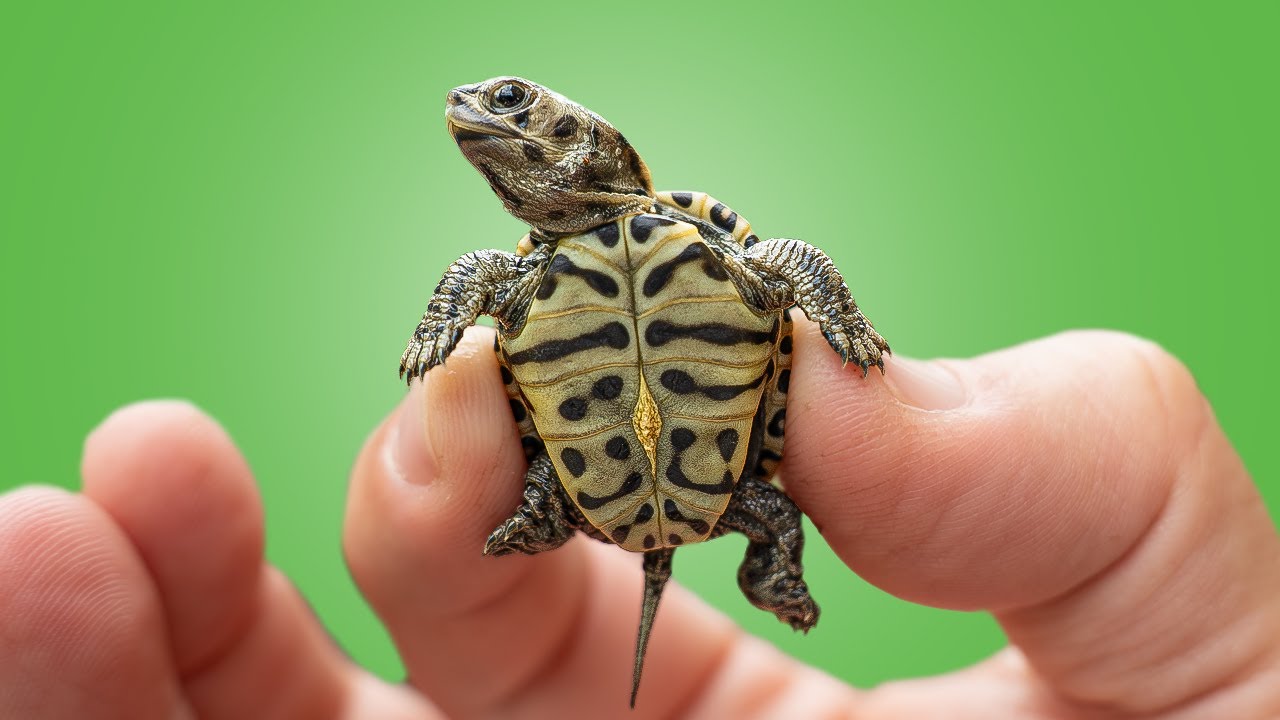
Turtles: Ancient Reptiles in Shells – Physical Characteristics

clubpitbullsalem.com – Turtles are an ancient and diverse group of reptiles characterized by their distinctive bony shells. Belonging to the order Testudines (or Chelonia), they have existed for over 200 million years, outliving dinosaurs and adapting to a variety of habitats worldwide. From tiny mud turtles to giant sea turtles, they exhibit a remarkable range of sizes, shapes, and lifestyles.   

Physical Characteristics: The Defining Shell

The most defining characteristic of turtles is their shell, a bony structure that protects them from predators. The shell is composed of two main parts:   

  • Carapace: The upper part of the shell, covering the back.
  • Plastron: The lower part of the shell, covering the belly.   

These two parts are connected by a bony bridge. The shell is covered in scutes, which are plates made of keratin (the same material as human fingernails). Other key physical features include:   

  • Beak-like Mouth: Turtles lack teeth but have a sharp, beak-like mouth used for tearing food.   
  • Short Limbs: Terrestrial turtles typically have short, sturdy limbs adapted for walking, while aquatic turtles have paddle-like flippers for swimming.
  • Neck: Turtles have varying neck lengths, allowing them to retract their heads into their shells for protection (in most species).

Classification: Diverse Groups within Testudines

The order Testudines is divided into two suborders:

  • Cryptodira: “Hidden neck” turtles, which retract their heads straight back into their shells. This is the larger of the two suborders.   
  • Pleurodira: “Side neck” turtles, which fold their necks sideways under the edge of their shells.   

These suborders encompass a variety of families, including:

  • Cheloniidae (Sea Turtles): Adapted for marine life with paddle-like flippers.   
  • Testudinidae (Tortoises): Primarily terrestrial with domed shells and sturdy legs.
  • Emydidae (Pond and Box Turtles): Semi-aquatic turtles found in freshwater habitats.   
  • Trionychidae (Softshell Turtles): Characterized by their flattened, leathery shells.   

Habitats and Distribution: Adapting to Diverse Environments

Turtles inhabit a wide range of habitats across the globe:

  • Oceans: Sea turtles are found in all oceans except for the polar regions. 
  • Freshwater Habitats: Ponds, lakes, rivers, and swamps provide habitat for many turtle species.   
  • Terrestrial Habitats: Deserts, grasslands, and forests are home to tortoises and other terrestrial turtles.   

Diet and Foraging: From Herbivores to Carnivores

Turtles exhibit a variety of feeding strategies:

  • Herbivores: Tortoises and some freshwater turtles are primarily herbivorous, feeding on plants, fruits, and vegetables.   
  • Carnivores: Many aquatic turtles are carnivorous, feeding on fish, insects, crustaceans, and other aquatic animals.   
  • Omnivores: Some turtle species are omnivorous, consuming both plant and animal matter.   

Reproduction: Nesting and Incubation

All turtles lay eggs, which they bury in nests they dig in the ground.   

  • Nesting: Female turtles typically dig nests in sandy areas or soft soil.   
  • Incubation: The incubation period varies depending on the species and temperature. Temperature plays a crucial role in sex determination in many turtle species (temperature-dependent sex determination). Warmer temperatures generally produce females, while cooler temperatures produce males.   
  • Hatchlings: After hatching, the young turtles must fend for themselves.

Behavior: Diverse Adaptations

Turtles exhibit a range of behaviors adapted to their specific environments:

  • Basking: Many turtles bask in the sun to regulate their body temperature.   
  • Hibernation/Brumation: In colder climates, turtles may hibernate (in water) or brumate (on land) during the winter months.
  • Migration: Sea turtles undertake long migrations between feeding and nesting grounds.   

Defense Mechanisms: The Protective Shell

The primary defense mechanism of turtles is their shell, which provides excellent protection from predators. Some species can also bite or use their claws for defense.   

Ecological Importance: Roles in Ecosystems

Turtles play various roles in ecosystems:

  • Seed Dispersal: Some tortoises help disperse seeds through their droppings.   
  • Predator and Prey: Turtles serve as both predators and prey in various food webs.   
  • Nutrient Cycling: They contribute to nutrient cycling in aquatic and terrestrial ecosystems.   

Conservation Status: Threats and Challenges

Many turtle species face significant threats, including:

  • Habitat Loss and Degradation: Loss of nesting beaches, wetlands, and other habitats due to human activities.   
  • Overexploitation: Harvesting for food, the pet trade, and traditional medicine.   
  • Climate Change: Rising sea levels, changes in temperature, and increased storm frequency threaten turtle populations.   
  • Bycatch: Accidental capture in fishing gear.   

Conclusion: Ancient Survivors Facing Modern Challenges

Turtles are remarkable reptiles with a long evolutionary history. Their unique shells and diverse adaptations have allowed them to thrive in a variety of environments. However, they face numerous threats from human activities and climate change. Conservation efforts are crucial to protect these ancient creatures and ensure their survival for future generations.