Uttapam: A Savory Pancake Delight

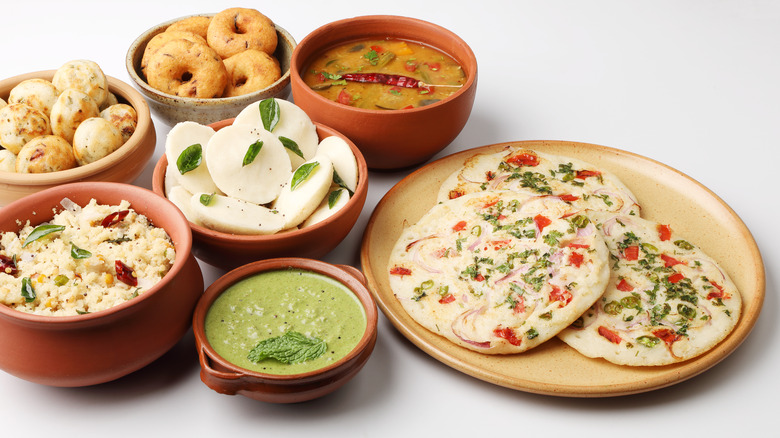
clubpitbullsalem.com – Uttapam, a popular South Indian dish, is a thick, savory pancake made from fermented batter. It’s often topped with various ingredients like onions, tomatoes, chili peppers, or cheese, creating a flavorful and customizable dish. Uttapam is typically served hot with sambar, a lentil-based soup, and coconut chutney, creating a harmonious blend of flavors and textures.

The Origins of Uttapam

The exact origins of uttapam are somewhat unclear, but it is believed to have originated in South India. It has been a staple food in the region for centuries, and its popularity has spread to other parts of India and beyond.

The Making of Uttapam

The process of making uttapam involves a fermentation process, which gives the pancake its unique flavor and texture. Here’s a basic overview of the steps involved:

  1. Fermentation: Rice and urad dal (black gram) are soaked separately and then ground into a smooth batter. The batter is then fermented overnight, allowing the natural bacteria to work their magic.
  2. Cooking the Uttapam: The fermented batter is spread thickly on a hot, oiled tawa (griddle). The desired toppings, such as onions, tomatoes, or chili peppers, are then added to the batter. The uttapam is cooked until it is golden brown and crispy on the bottom.

Types of Uttapam

There are many different types of uttapam, each with its own unique flavor and texture. Some of the most popular types of uttapam include:

  • Onion Uttapam: A classic uttapam topped with chopped onions.
  • Tomato Uttapam: A flavorful uttapam topped with sliced tomatoes.
  • Mixed Vegetable Uttapam: A colorful uttapam topped with a variety of vegetables, such as onions, tomatoes, and bell peppers.
  • Cheese Uttapam: A cheesy delight, topped with grated cheese.

Serving Suggestions

Uttapam is typically served hot with sambar and coconut chutney. The sambar, a tangy and spicy lentil-based soup, adds a burst of flavor to the savory pancake. Coconut chutney, a smooth and creamy condiment made from grated coconut, green chilies, and spices, complements the uttapam perfectly.

Why You Should Try Uttapam

Uttapam is a healthy and delicious dish that is perfect for people of all ages. It is a good source of protein and fiber, and it is also low in fat and cholesterol. Uttapam is easy to digest, making it a great choice for people with sensitive stomachs.

In addition to its health benefits, uttapam is also incredibly versatile. It can be enjoyed as a snack, a side dish, or a main course. It can be topped with various chutneys, sambar, or even a dollop of ghee.

Urnebes: A Fiery Balkan Delight – A Flavorful Experience

clubpitbullsalem.com – Urnebes, a fiery Balkan spread, is a culinary sensation that will tantalize your taste buds. This spicy concoction is typically made with a combination of cheese, peppers, and garlic, and it’s often served as an appetizer or a side dish. Its bold flavor and unique texture have made it a beloved dish in the Balkans, particularly in Serbia and Bosnia and Herzegovina.

A Blend of Flavors

The specific ingredients and proportions used in Urnebes can vary depending on regional preferences. However, the core ingredients typically include:

  • Cheese: Often a combination of feta cheese and kajmak (a creamy cheese spread) is used.
  • Peppers: A variety of peppers can be used, including red and green chili peppers, which provide the heat.
  • Garlic: Garlic adds a pungent flavor and aroma to the spread.
  • Other ingredients: Some recipes may also include herbs, spices, or other vegetables, such as onions or carrots.

The ingredients are typically blended together until they reach a desired consistency, which can range from smooth to chunky.

A Flavorful Experience

Urnebes is a truly unique and flavorful dish. Its spicy, garlicky, and cheesy flavor profile is both bold and addictive. It’s often served with bread or crackers, and it can also be used as a topping for pizzas, sandwiches, or other dishes.

A Cultural Heritage

Urnebes is more than just a food; it’s a cultural heritage that has been passed down through generations. It’s a dish that’s often associated with celebrations and special occasions. Whether you’re a fan of spicy food or simply looking for a unique and flavorful experience, Urnebes is sure to satisfy your cravings.

Camembert: A Creamy, Indulgent Cheese – A French Classic

clubpitbullsalem.com – Camembert, a soft, creamy cheese with a bloomy rind, is one of France’s most iconic cheeses. Its distinctive flavor profile and buttery texture have made it a beloved delicacy around the world.

A Brief History

The origins of Camembert can be traced back to the 18th century in the Normandy region of France. It is named after the village of Camembert, where it was first produced. The cheese gained popularity in the 19th century, thanks to a local innkeeper named Marie Harel, who is often credited with popularizing the cheese.

The Making of Camembert

Camembert is made from cow’s milk that is pasteurized and then renneted to form curds. The curds are then molded into small, round disks and aged in a cool, humid cellar. As the cheese ages, a white mold, known as Penicillium camemberti, grows on the surface of the rind. This mold is essential for the development of the cheese’s flavor and aroma.

The Flavor Profile

Camembert has a rich, creamy texture and a distinctive, earthy flavor. As the cheese ages, the flavor becomes more intense and complex. The rind, which is edible, is typically soft and slightly pungent.

How to Enjoy Camembert

Camembert is typically enjoyed at room temperature, allowing the flavors to develop fully. It can be eaten on its own, with bread, or paired with fruits such as figs or grapes. Camembert is also a popular ingredient in many recipes, including tarts, quiches, and fondues.

A Culinary Delight

Camembert is a versatile cheese that can be enjoyed in a variety of ways. Whether you’re a seasoned cheese connoisseur or a casual cheese lover, Camembert is sure to delight your taste buds. Its rich, creamy texture and complex flavor make it a true culinary delight.

The Raspberry: A Tiny Powerhouse – A Nutritional Powerhouse

clubpitbullsalem.com – The raspberry, a small, delicate fruit with a vibrant red color, is a popular choice for people of all ages. Native to Europe and North America, this versatile berry has spread to various parts of the world. With its sweet and tart flavor, the raspberry is a beloved fruit enjoyed fresh, frozen, or in various culinary preparations.

A Nutritional Powerhouse

Beyond its deliciousness, the raspberry is a nutritional powerhouse, packed with essential vitamins, minerals, and antioxidants. Some of the key nutrients found in raspberries include:   

  • Vitamin C: A potent antioxidant that boosts immunity and promotes skin health.
  • Vitamin K: Essential for blood clotting and bone health.
  • Manganese: Essential for bone health and metabolism.
  • Fiber: Essential for digestive health and maintaining satiety.
  • Antioxidants: Compounds that protect cells from damage caused by free radicals.

Health Benefits of Raspberries

The impressive nutritional profile of raspberries offers a wide range of potential health benefits:

  1. Boosts Immunity: The high levels of vitamin C in raspberries can help strengthen the immune system, protecting the body against infections and diseases.
  2. Promotes Heart Health: The antioxidants in raspberries can help protect the heart from oxidative damage, reducing the risk of heart disease.
  3. Aids in Digestion: The fiber content of raspberries aids digestion, preventing constipation and promoting regular bowel movements.
  4. Supports Skin Health: The antioxidants in raspberries can help protect the skin from damage caused by free radicals, promoting a youthful and radiant complexion.
  5. May Reduce the Risk of Cancer: Some studies suggest that the antioxidants in raspberries may help reduce the risk of certain types of cancer, although more research is needed to confirm these effects.

How to Enjoy Raspberries

Raspberries can be enjoyed in various ways:

  • Fresh: Raspberries are delicious when eaten fresh. They can be enjoyed on their own or added to fruit salads, yogurt, or cereal.
  • Juices and Smoothies: Raspberries can be blended into refreshing juices and smoothies.
  • Desserts: Raspberries can be used to make delicious desserts, such as pies, cakes, and ice cream.
  • Jam and Preserves: Raspberries can be made into jams, jellies, and preserves.

Conclusion

The raspberry, with its vibrant color, sweet and tart flavor, and impressive nutritional profile, is a truly delightful fruit. Whether you enjoy them fresh, in juices, or in desserts, raspberries are a delicious and healthy addition to any diet.

Khao Lod Song: A Creamy Coconut Delight

clubpitbullsalem.com – Khao Lod Song, a beloved Thai dessert, is a simple yet elegant dish that showcases the versatility of coconut milk. This creamy and comforting dessert features sticky rice, which is cooked to perfection and then drenched in a rich and flavorful coconut milk mixture.

A Harmony of Flavors

The key to a truly delicious Khao Lod Song lies in the balance of flavors and textures. The sticky rice, cooked to a soft and chewy consistency, absorbs the sweet and fragrant coconut milk, creating a harmonious blend of flavors. The addition of a pinch of salt enhances the overall taste, balancing the sweetness of the coconut milk.

A Cultural Treasure

Khao Lod Song is more than just a dessert; it’s a cultural treasure that reflects the rich culinary heritage of Thailand. It’s often enjoyed as a dessert or a snack, particularly during festivals and celebrations. The simplicity of the ingredients and the ease of preparation make it a popular choice for home cooks and street food vendors alike.

A Modern Twist

While the traditional version of Khao Lod Song is a beloved classic, modern chefs have embraced its versatility, experimenting with different flavors and presentations. Some have added exotic ingredients like durian or lychee, while others have played with unconventional toppings, such as toasted coconut flakes or a drizzle of honey. These innovative interpretations have breathed new life into this timeless dessert, appealing to a wider audience and showcasing the endless possibilities of Thai cuisine.

A Culinary Journey

Whether you’re a seasoned foodie or a casual dessert enthusiast, Khao Lod Song is a must-try. Its creamy texture, sweet flavor, and comforting warmth make it a truly delightful treat. So, the next time you’re craving a simple yet satisfying dessert, consider indulging in this Thai gem.

Moqueca: A Flavorful Brazilian Seafood Stew

clubpitbullsalem.com – Moqueca is a traditional Brazilian seafood stew that captures the vibrant and diverse flavors of Brazil. Originating from the coastal regions of Bahia and Espírito Santo, this dish is a delightful fusion of indigenous, African, and Portuguese culinary influences. Known for its rich taste and aromatic spices, Moqueca has become a beloved staple in Brazilian cuisine.

Ingredients and Preparation

Core Ingredients

The key ingredients in Moqueca include fresh seafood, coconut milk, tomatoes, onions, garlic, bell peppers, and a variety of spices. The choice of seafood can vary, often featuring a mix of fish and shellfish such as shrimp, crab, or squid. The use of coconut milk lends a creamy texture and subtle sweetness that balances the acidity of tomatoes and the heat of spices.

Traditional Cooking Techniques

Moqueca is traditionally prepared in a clay pot, known as a “panela de barro,” which enhances the flavors and allows for even cooking. The dish starts by marinating the seafood in lime juice, garlic, salt, and pepper. Once marinated, the seafood is layered with sliced tomatoes, onions, and bell peppers, and then simmered gently in coconut milk until the flavors meld together.

Regional Variations

Moqueca Baiana

Originating from the state of Bahia, Moqueca Baiana is known for its African influences. It often includes dendê oil (palm oil), which imparts a distinctive red color and rich flavor. This version is typically more robust and spicy, reflecting the cultural diversity of the region.

Moqueca Capixaba

In contrast, Moqueca Capixaba from Espírito Santo is lighter and relies on olive oil instead of dendê oil. This variation emphasizes the freshness of the seafood and the simplicity of its ingredients, allowing the natural flavors to shine through.

Serving Suggestions

Moqueca is best enjoyed hot, served with a side of fluffy white rice and a sprinkle of fresh cilantro for garnish. To enhance the meal, it is often accompanied by farofa (toasted cassava flour) and pirão, a savory porridge made from fish stock and cassava flour.

Conclusion

Moqueca is more than just a seafood stew; it is a culinary experience that embodies the rich cultural tapestry of Brazil. Its vibrant flavors and aromatic spices transport diners to the coastal regions of Brazil, offering a taste of the country’s diverse heritage. Whether you prefer the spicy Moqueca Baiana or the lighter Moqueca Capixaba, this dish promises to be a delightful addition to any meal.

The Inca Pantry: Potatoes and Quinoa

clubpitbullsalem.com – The Inca Empire, which flourished in the Andean region of South America, was renowned for its advanced agricultural practices and diverse culinary traditions. Central to their diet were two remarkable crops: potatoes and quinoa. These staples not only nourished the Incas but also played a crucial role in their culture and economy. This article explores the significance of potatoes and quinoa in the Inca pantry, highlighting their historical and nutritional importance.

The Origins of Potatoes and Quinoa

Potatoes: The Andean Gift to the World

The humble potato, now a global dietary staple, originated in the Andean highlands of Peru and Bolivia around 8,000 years ago. The Incas cultivated thousands of potato varieties, adapting them to different climates and terrains. Potatoes were not only a food source but also a symbol of Inca ingenuity in agriculture, with techniques developed to preserve and store them for long periods.

Quinoa: The Ancient Grain

Quinoa, often referred to as a “superfood,” was a sacred crop for the Incas. This pseudo-cereal, high in protein and essential amino acids, thrived in the harsh conditions of the Andean plateau. Known as “chisaya mama” or “mother grain,” quinoa was integral to the Incan diet and was used in religious rituals and ceremonies.

Nutritional Powerhouses

Potatoes and quinoa provided the Incas with essential nutrients, forming the backbone of their diet:

Potatoes

Potatoes are rich in carbohydrates, providing a vital energy source for the Incan people. They also contain vitamin C, potassium, and fiber, contributing to a balanced diet. The Incas developed methods such as freeze-drying to create “chuño,” a lightweight, long-lasting food that could be stored and transported easily.

Quinoa

Quinoa is celebrated for its high protein content and complete amino acid profile, making it an excellent source of nutrition. It is also rich in minerals like magnesium and iron, as well as dietary fiber. Quinoa’s versatility allowed it to be used in various dishes, from soups to porridges.

Culinary Traditions and Techniques

The Incas employed innovative culinary techniques to maximize the benefits of potatoes and quinoa:

Preparation and Preservation

The Incas developed sophisticated methods for processing and preserving potatoes, such as freeze-drying and sun-drying, to create chuño and tunta. These preserved forms of potatoes were crucial for sustaining the population during harsh winters and times of scarcity.

Cooking with Quinoa

Quinoa was used in a variety of ways, often cooked into soups or stews. It was also ground into flour for baking or mixed with other ingredients to make nourishing pastes or porridges. The adaptability of quinoa allowed it to complement other foods, enhancing the overall diet of the Incas.

Cultural Significance

Both potatoes and quinoa held spiritual and cultural significance for the Incas. Potatoes were often used in rituals to honor Pachamama, the earth goddess, symbolizing fertility and abundance. Quinoa, revered as a gift from the gods, played a central role in religious ceremonies and was a staple offering to the deities.

Conclusion

The Inca pantry, with its rich bounty of potatoes and quinoa, showcases the remarkable agricultural and culinary achievements of this ancient civilization. These crops not only sustained the Incan population but also laid the groundwork for their cultural and economic prosperity. Today, potatoes and quinoa continue to be celebrated for their nutritional value and versatility, serving as a lasting legacy of the Inca Empire’s ingenuity and resourcefulness. Through the enduring presence of these staples, the Incan tradition of agricultural excellence lives on, enriching diets around the world.

Tips and Techniques: Foraging for Wild Fruits

clubpitbullsalem.com – The art of foraging for wild fruits is a rewarding endeavor that connects us with nature and provides a bounty of free, nutritious food. However, it requires knowledge, respect for the environment, and safety precautions. This article will guide you through the essential tips and techniques for successful wild fruit foraging.

Identification

The first and most crucial step in foraging for wild fruits is accurate identification. Many plants have toxic look-alikes, so it’s essential to be able to distinguish between edible and poisonous species. Invest in a good field guide or app that focuses on the local flora of your area. Take the time to study the characteristics of the fruits you’re interested in, such as leaf shape, arrangement, and fruit appearance.

Timing

Timing is everything when it comes to foraging. Wild fruits have specific seasons when they are ripe and at their peak of flavor and nutrition. Learn the ripening times for the fruits you wish to forage and plan your outings accordingly. Early morning is often the best time to find fruits before wildlife or the sun takes its toll.

Location

Choose your foraging location wisely. Public lands, such as national forests or parks, are usually safe bets, but always check the regulations before you go. Avoid areas with heavy pesticide use, industrial pollution, or busy roads, as these can contaminate the fruits.

Respectful Harvesting

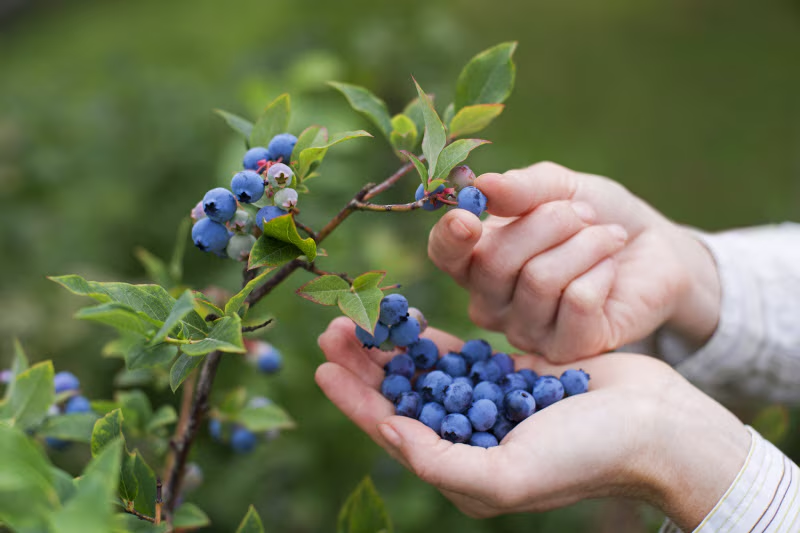
Foraging should be done with respect for the environment and the future of the plants. Only take what you need and leave plenty of fruit for wildlife and for the plant to reproduce. Use gentle harvesting techniques and avoid damaging the plant.

Safety Precautions

Before consuming any wild fruit, it’s important to take safety precautions. If you’re unsure about the identification, don’t eat it. Some people have allergies to certain fruits, so it’s wise to try a small amount first and wait for any adverse reactions. Additionally, be aware of the potential for parasites or bacteria and take appropriate measures, such as washing or cooking the fruit.

Tools and Equipment

While foraging, you may need certain tools to help you harvest fruits safely and efficiently. A knife or pruning shears can be useful for cutting fruits or branches, and a basket or bag is essential for collecting your finds. Wear appropriate clothing and footwear to protect yourself from thorns, insects, and the elements.

Sharing Knowledge

If you’re new to foraging, consider joining a local foraging group or finding an experienced mentor. Sharing knowledge and experiences can enhance your skills and make foraging a more enjoyable and safe activity.

Conclusion

Foraging for wild fruits is a skill that can provide a sustainable and delicious addition to your diet. By following these tips and techniques, you can ensure a successful and safe foraging experience. Remember to always prioritize conservation and respect for the natural world, and you’ll be rewarded with the sweet taste of wild fruits for years to come.

Unveiling the Mysteries of Flavor: The Culinary Detective

clubpitbullsalem.com – In the world of gastronomy, flavors are the silent storytellers that weave the narrative of a dish. The Culinary Detective is on a mission to uncover these mysteries, exploring the depths of taste, aroma, and texture to reveal the secrets behind the perfect blend of ingredients. This article delves into the art of flavor profiling, the science of taste, and the techniques used to create unforgettable culinary experiences.

The Art of Flavor Profiling

Flavor profiling is the process of identifying and describing the individual components that contribute to the overall taste of a dish. It’s a skill that chefs and food enthusiasts alike hone to understand the nuances of flavor. The Culinary Detective employs this art to break down complex dishes into their basic elements, allowing for a deeper appreciation and the ability to recreate or innovate recipes with precision.

The Science of Taste

Understanding the science behind taste is crucial for any culinary detective. The five basic tastes – sweet, sour, bitter, salty, and umami – are the building blocks of flavor. By exploring the chemical reactions that occur when these tastes interact, The Culinary Detective can manipulate ingredients to enhance or balance flavors, creating a harmonious symphony on the palate.

Techniques for Unveiling Flavor Mysteries

The Culinary Detective employs various techniques to uncover the mysteries of flavor. From the traditional methods of pairing ingredients based on regional cuisines to the modern approach of molecular gastronomy, each technique offers a unique lens through which to view the world of taste. The article will explore these methods, providing insights into how they can be used to elevate the dining experience.

The Role of Aroma in Flavor Perception

Aroma plays a pivotal role in how we perceive flavor. The Culinary Detective investigates the connection between smell and taste, demonstrating how the right combination of aromas can enhance the overall flavor profile of a dish. Understanding this link allows for the creation of dishes that not only taste delicious but also offer a multi-sensory experience.

Conclusion

The journey of The Culinary Detective is one of discovery, passion, and innovation. By unraveling the mysteries of flavor, we gain a deeper understanding of the culinary world and the power of taste. Whether in a professional kitchen or a home-cooked meal, the principles of flavor profiling and the science of taste can transform the ordinary into the extraordinary, making every bite a memorable adventure.

A Look at Whole Grain Snacking: The Granola Generation

clubpitbullsalem.com – In the ever-evolving landscape of food trends, one phenomenon has not only stood the test of time but has also gained momentum among health-conscious consumers: whole grain snacking. This movement, embraced by what we might call the “Granola Generation,” represents a shift towards a more mindful approach to snacking, one that prioritizes nutrition, sustainability, and overall well-being.

The Rise of Whole Grain Snacking

Whole grains, which include the entire grain kernel—the bran, germ, and endosperm—are celebrated for their rich nutrient profile, including fiber, B vitamins, and a variety of minerals. This nutritional superiority over refined grains has propelled whole grains to the forefront of health-conscious eating. The Granola Generation, comprising individuals who have grown up in an era of heightened awareness about the impact of diet on health and the environment, has embraced whole grain snacking as a cornerstone of their dietary choices.

The Health Benefits

The health benefits of whole grain snacking are manifold. Studies have consistently shown that diets rich in whole grains are associated with a reduced risk of heart disease, type 2 diabetes, obesity, and certain forms of cancer. The high fiber content in whole grains aids in digestion and helps maintain a healthy gut microbiome, while the complex carbohydrates provide a steady source of energy, keeping hunger at bay and preventing the blood sugar spikes associated with refined carbohydrates.

Environmental Considerations

Beyond personal health, the Granola Generation is also deeply concerned with the environmental impact of their food choices. Whole grains are often seen as a more sustainable option compared to other snack foods. They require less processing, which reduces energy consumption and waste. Additionally, whole grains can be grown in a variety of climates, potentially reducing the need for long-distance transportation and its associated carbon footprint.

The Variety and Accessibility

The Granola Generation is not limited to traditional granola bars when it comes to whole grain snacking. The market has exploded with a variety of whole grain options, catering to different tastes and dietary needs. From ancient grains like quinoa and farro to more familiar options like oats and barley, there’s a whole grain snack for every palate. These include crackers, chips, popcorn, and even ready-to-eat cereals, all made with whole grains as their star ingredient.

Moreover, the growing popularity of whole grain snacking has made these options more accessible. Supermarkets and health food stores now dedicate ample shelf space to whole grain snacks, and even convenience stores and vending machines are beginning to offer healthier options. Online retailers provide an even wider selection, making it easier than ever to incorporate whole grains into one’s diet.

The Future of Whole Grain Snacking

As the Granola Generation continues to influence food trends, it’s likely that whole grain snacking will only grow in popularity. Innovations in food technology and processing are making whole grains even more versatile, allowing for the creation of new and exciting snack options. Additionally, as awareness about the health and environmental benefits of whole grains continues to spread, more people are expected to adopt whole grain snacking as part of their daily routine.

Conclusion

The Granola Generation’s embrace of whole grain snacking represents a significant shift towards a healthier, more sustainable way of living. By choosing snacks that are not only good for their bodies but also for the planet, this generation is setting a precedent for mindful eating. As the benefits of whole grains continue to be recognized, it’s clear that whole grain snacking is more than just a trend—it’s a lifestyle choice that is here to stay.

Balancing Time: Quick and Easy Recipes for College Students

clubpitbullsalem.com – College life is a whirlwind of classes, assignments, and social activities, leaving little time for elaborate cooking. However, maintaining a healthy diet is crucial for both physical and mental well-being. The good news is that you don’t have to sacrifice taste for convenience. This article presents a collection of quick and easy recipes designed specifically for college students, ensuring that you can enjoy delicious meals without spending hours in the kitchen.

  1. One-Pot Pasta:
    This recipe is a lifesaver for busy college students. Simply toss your favorite pasta, a couple of cups of water, and your choice of pasta sauce into a pot. Bring it to a boil, then reduce the heat and let it simmer until the pasta is cooked and the sauce has thickened. You can add any ingredients you like, such as diced tomatoes, spinach, or cooked chicken for extra protein.
  2. Microwave Egg Cups:
    Eggs are a great source of protein and can be prepared in a variety of ways. For a quick and easy breakfast, beat eggs in a microwave-safe mug, add diced veggies, cheese, and a bit of milk. Microwave in 30-second intervals, stirring in between, until the eggs are fully cooked. These egg cups are portable and perfect for a grab-and-go meal.
  3. Avocado Toast:
    A classic avocado toast is not only trendy but also incredibly easy to make. Toast a slice of bread, spread mashed avocado on top, and season with salt, pepper, and a squeeze of lemon juice. You can add a poached egg on top for extra protein or sprinkle with red pepper flakes for a bit of heat.
  4. Stir-Fry:
    Stir-fries are versatile and can be made with whatever ingredients you have on hand. Sauté your choice of protein (tofu, chicken, beef) and a mix of vegetables (bell peppers, broccoli, snap peas) in a pan with a bit of oil. Add a simple stir-fry sauce made from soy sauce, garlic, ginger, and a touch of honey or brown sugar. Serve over rice or noodles for a satisfying meal.
  5. Overnight Oats:
    Overnight oats are a no-cook, no-mess breakfast option. Mix rolled oats with milk or a milk alternative, and let the mixture sit in the fridge overnight. In the morning, top with fruits, nuts, and a drizzle of honey or maple syrup. This meal is perfect for those mornings when you’re running late for class.
  6. Quesadillas:
    Quesadillas are a quick and easy way to use up leftovers. Place a tortilla in a pan, sprinkle cheese on top, add your fillings (cooked chicken, beans, veggies), and top with another tortilla. Cook until the cheese is melted and the tortillas are crispy. Cut into wedges and serve with salsa or guacamole.
  7. Smoothie Bowls:
    Smoothie bowls are a refreshing and nutritious option for any meal. Blend frozen fruits (like bananas and berries) with a liquid (juice or milk alternative) until smooth. Pour into a bowl and top with granola, sliced fruits, nuts, and a sprinkle of chia seeds or flaxseeds.
  8. Paninis:
    If you have a panini press or a skillet, you can make gourmet sandwiches in minutes. Layer your favorite bread with deli meats, cheese, and veggies. Press down with a spatula while cooking to get those delicious grill marks. Serve with a side of soup or chips for a complete meal.

Conclusion:
Cooking in college doesn’t have to be a chore. With these quick and easy recipes, you can enjoy tasty, nutritious meals without spending too much time in the kitchen. Remember, cooking is also an opportunity to experiment and express your creativity. Feel free to modify these recipes to suit your taste and the ingredients you have available. Bon appétit!

From Ancient Cultivation to Modern Genetics: The History of Fruit

Fruit, a symbol of nature’s bounty, has been an integral part of human diet and culture since ancient times. The journey of fruit from wild foraging to modern-day supermarket shelves is a testament to human ingenuity, adaptation, and the intricate dance between nature and nurture. This article explores the fascinating history of fruit, from its ancient cultivation practices to the modern marvels of genetic engineering.

Ancient Cultivation:
The cultivation of fruit dates back thousands of years. Early humans were gatherers who relied on wild fruits for sustenance. As societies evolved, so did the relationship with fruit. The first evidence of fruit cultivation can be traced back to the Neolithic period, around 9,000 BCE, when the domestication of plants began in the Fertile Crescent. Apples, grapes, figs, and dates were among the first fruits to be cultivated.

The ancient Egyptians were avid horticulturists, and their art and hieroglyphics depict a variety of fruits, including pomegranates, figs, and grapes. The Egyptians were also known for their advanced irrigation techniques, which allowed for the cultivation of fruit in the arid climate of the Nile Valley.

The ancient Greeks and Romans further advanced fruit cultivation, introducing grafting and pruning techniques that allowed for the propagation of superior fruit varieties. The Romans, in particular, were known for their extensive orchards and vineyards, and they spread fruit cultivation throughout their empire.

The Middle Ages and Beyond:
During the Middle Ages, monasteries played a crucial role in preserving and expanding fruit cultivation. Monks meticulously tended orchards and gardens, experimenting with different varieties and developing new cultivation techniques. The Renaissance period saw a resurgence in interest in fruit cultivation, with European explorers bringing back new fruits from the Americas, such as tomatoes, potatoes, and maize.

The Age of Exploration also led to the Columbian Exchange, a widespread transfer of plants, animals, culture, and ideas between the Eastern and Western Hemispheres. This exchange had a profound impact on fruit cultivation, introducing new species to different continents and leading to the development of hybrid varieties.

Modern Genetics:
The 19th and 20th centuries marked a significant shift in fruit cultivation with the advent of modern genetics. The work of Gregor Mendel, the father of genetics, laid the groundwork for understanding the inheritance of traits in plants. This knowledge was applied to fruit breeding, leading to the development of varieties with desirable characteristics such as size, sweetness, and disease resistance.

The 20th century saw the rise of agricultural science, with the Green Revolution introducing high-yielding crop varieties and modern agricultural practices. Fruit cultivation benefited from these advancements, with the development of dwarfing rootstocks for trees, which allowed for higher density planting and increased yields.

In recent years, genetic engineering has opened new frontiers in fruit cultivation. Techniques such as CRISPR-Cas9 have allowed scientists to edit the genomes of fruit plants, creating varieties that are resistant to pests and diseases, tolerant to environmental stresses, and have enhanced nutritional profiles. One example is the development of non-browning apples, which have been genetically modified to suppress the enzyme that causes browning when the fruit is cut.

Conclusion:
The history of fruit is a saga of human adaptation and innovation. From the wild foraging of our ancestors to the genetically modified varieties of today, fruit cultivation has evolved in tandem with human civilization. As we continue to unravel the mysteries of genetics and explore new frontiers in biotechnology, the future of fruit cultivation promises to be as diverse and dynamic as the fruits themselves. Whether grown in a backyard garden or a high-tech greenhouse, fruit remains a vital part of our diet and culture, a living link to our past and a bridge to our future.