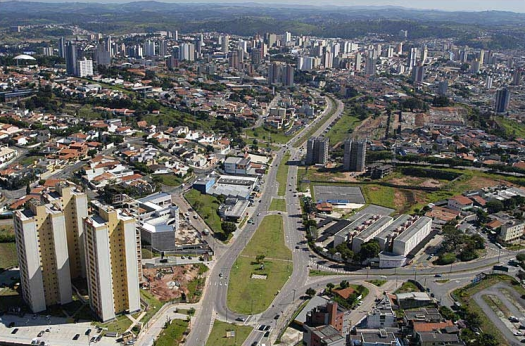
Discovering Jundiaí: A Blend of Tradition and Modernity

clubpitbullsalem.com – Nestled in the state of São Paulo, Jundiaí is a city that harmoniously blends its rich historical heritage with modern urban development. Known for its picturesque landscapes, thriving economy, and vibrant cultural scene, Jundiaí is a destination that offers both residents and visitors a high quality of life.

Historical Overview

Jundiaí was founded in 1655 and has a long and storied history that reflects the broader development of the São Paulo region. Originally a small settlement, it grew steadily over the centuries, benefiting from its strategic location on the pathway to the interior of the state. The city played a significant role in the coffee boom of the 19th century, which spurred economic growth and attracted European immigrants who contributed to its cultural diversity.

Economic Prosperity

Today, Jundiaí is a significant economic hub, known for its industrial and logistical prowess. The city hosts a diverse range of industries, including food processing, electronics, and automotive manufacturing. Its proximity to São Paulo and excellent transport links, including highways and railroads, have made it a strategic location for businesses and a center for commerce and trade.

Cultural and Social Life

Jundiaí boasts a rich cultural scene, with numerous events and festivals celebrating its diverse heritage. The annual Festa da Uva (Grape Festival) is one of the city’s most beloved traditions, highlighting its viticultural history and offering a variety of entertainment, food, and wine tasting experiences. The city’s cultural centers and theaters offer a variety of performances and exhibitions, enriching the community’s artistic life.

Natural Beauty and Recreation

Surrounded by rolling hills and lush greenery, Jundiaí offers plenty of opportunities for outdoor activities and relaxation. The Serra do Japi, a protected natural area, is a haven for biodiversity and offers hiking trails and stunning views of the region. Parks like the Parque da Cidade provide ample space for family outings, sports, and leisure activities, contributing to the city’s reputation as a green destination.

Quality of Life

Jundiaí is consistently ranked as one of the best cities to live in Brazil, thanks to its strong infrastructure, healthcare, and educational facilities. The city’s commitment to sustainability and urban planning has created a balanced environment where tradition meets modernity, catering to the needs of its diverse population.

Conclusion

Jundiaí is a city that offers a unique blend of historical charm and contemporary living. Its economic vitality, cultural richness, and natural beauty make it a standout location in the São Paulo region. Whether you’re exploring its historical sites, enjoying its cultural festivals, or simply taking in its scenic landscapes, Jundiaí provides a welcoming and enriching experience for all who visit.

Pueblo Grande – Modern Metropolis: The Evolution of Phoenix

clubpitbullsalem.com – Phoenix, Arizona’s sprawling capital, is a city that tells a story of transformation and resilience. From its ancient roots as a Native American settlement to its rise as a bustling modern metropolis, Phoenix has evolved through centuries of change. This journey from Pueblo Grande to a thriving urban center showcases the city’s rich history, diverse culture, and dynamic growth.

Ancient Beginnings: The Hohokam Legacy

Long before the skyscrapers and highways, the land that is now Phoenix was home to the Hohokam people. This ancient civilization thrived in the region for over a millennium, leaving behind a remarkable legacy of innovation. The Hohokam were master canal builders, creating an extensive irrigation system that transformed the arid desert landscape into fertile farmland. This ingenuity allowed them to cultivate crops and sustain a prosperous community.

The remnants of this ancient civilization can be explored at Pueblo Grande Museum and Archaeological Park. This site offers a glimpse into the Hohokam way of life and preserves their contributions to the region’s agricultural and cultural heritage.

The Birth of Modern Phoenix

The decline of the Hohokam civilization around the 15th century left the region largely uninhabited until the mid-19th century, when pioneers began to resettle the area. In 1867, Jack Swilling, a Confederate veteran, recognized the potential of the ancient canals and founded a farming community. This marked the beginning of modern Phoenix.

The city’s name, inspired by the mythical bird reborn from its ashes, symbolized the rebirth of the land. Phoenix’s growth was further fueled by the arrival of the railroad in the late 1800s, connecting the city to broader markets and spurring economic development.

Transformation into a Metropolis

Throughout the 20th century, Phoenix underwent rapid transformation. The advent of air conditioning made the desert climate more tolerable, attracting new residents and businesses. The city’s population soared, transforming Phoenix into one of the fastest-growing cities in the United States.

Phoenix’s economy diversified beyond agriculture, embracing industries such as manufacturing, technology, and tourism. The establishment of military bases and the emergence of high-tech companies further accelerated its growth. Today, Phoenix is a hub for innovation and a key player in the aerospace, healthcare, and education sectors.

Cultural and Environmental Challenges

As Phoenix evolved into a modern metropolis, it faced challenges common to rapidly growing urban areas. The city’s expansion has raised concerns about sustainability, water resources, and environmental impact. Efforts to address these issues have led to initiatives focused on water conservation, renewable energy, and urban planning.

Culturally, Phoenix has embraced its diverse population, celebrating a rich tapestry of traditions and backgrounds. The city’s cultural scene is vibrant, with museums, theaters, and festivals reflecting its multicultural heritage.

Conclusion

From its ancient roots at Pueblo Grande to its status as a modern metropolis, Phoenix’s evolution is a testament to human ingenuity and adaptability. The city’s journey is marked by innovation, growth, and a commitment to overcoming challenges. As Phoenix continues to evolve, it remains a dynamic and resilient city, embracing its past while forging a path toward a sustainable and vibrant future.