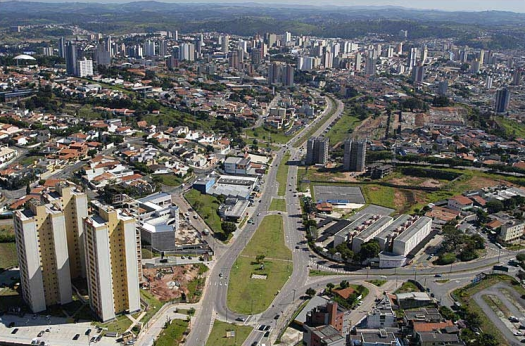
Discovering Jundiaí: A Blend of Tradition and Modernity

clubpitbullsalem.com – Nestled in the state of São Paulo, Jundiaí is a city that harmoniously blends its rich historical heritage with modern urban development. Known for its picturesque landscapes, thriving economy, and vibrant cultural scene, Jundiaí is a destination that offers both residents and visitors a high quality of life.

Historical Overview

Jundiaí was founded in 1655 and has a long and storied history that reflects the broader development of the São Paulo region. Originally a small settlement, it grew steadily over the centuries, benefiting from its strategic location on the pathway to the interior of the state. The city played a significant role in the coffee boom of the 19th century, which spurred economic growth and attracted European immigrants who contributed to its cultural diversity.

Economic Prosperity

Today, Jundiaí is a significant economic hub, known for its industrial and logistical prowess. The city hosts a diverse range of industries, including food processing, electronics, and automotive manufacturing. Its proximity to São Paulo and excellent transport links, including highways and railroads, have made it a strategic location for businesses and a center for commerce and trade.

Cultural and Social Life

Jundiaí boasts a rich cultural scene, with numerous events and festivals celebrating its diverse heritage. The annual Festa da Uva (Grape Festival) is one of the city’s most beloved traditions, highlighting its viticultural history and offering a variety of entertainment, food, and wine tasting experiences. The city’s cultural centers and theaters offer a variety of performances and exhibitions, enriching the community’s artistic life.

Natural Beauty and Recreation

Surrounded by rolling hills and lush greenery, Jundiaí offers plenty of opportunities for outdoor activities and relaxation. The Serra do Japi, a protected natural area, is a haven for biodiversity and offers hiking trails and stunning views of the region. Parks like the Parque da Cidade provide ample space for family outings, sports, and leisure activities, contributing to the city’s reputation as a green destination.

Quality of Life

Jundiaí is consistently ranked as one of the best cities to live in Brazil, thanks to its strong infrastructure, healthcare, and educational facilities. The city’s commitment to sustainability and urban planning has created a balanced environment where tradition meets modernity, catering to the needs of its diverse population.

Conclusion

Jundiaí is a city that offers a unique blend of historical charm and contemporary living. Its economic vitality, cultural richness, and natural beauty make it a standout location in the São Paulo region. Whether you’re exploring its historical sites, enjoying its cultural festivals, or simply taking in its scenic landscapes, Jundiaí provides a welcoming and enriching experience for all who visit.

Tunisian Traditions in Modern Times: The Art of Hospitality

clubpitbullsalem.com – Tunisia, a country rich in history and culture, has long been renowned for its exceptional hospitality. This tradition is deeply ingrained in the Tunisian way of life, where guests are treated with the utmost respect and generosity. From the bustling streets of Tunis to the tranquil villages in the countryside, the warmth and openness of Tunisian people create an unforgettable experience for visitors.

The Role of Food in Tunisian Hospitality

Food plays a central role in Tunisian hospitality. Guests are often welcomed with a spread of delicious local dishes, such as couscous, brik, and tajine, accompanied by freshly baked bread and a variety of mouthwatering sweets. The act of sharing a meal is not just about the food itself but about the communal experience and the opportunity to connect and build relationships.

The Importance of Tea and Coffee

Tea and coffee are integral to Tunisian hospitality. Serving mint tea, known as “atay,” is a ritual that signifies welcome and respect. The preparation and presentation of tea, often accompanied by small talk and laughter, create a relaxed and inviting atmosphere. Similarly, coffee, particularly Turkish coffee, is offered as a gesture of friendship and is an essential part of social gatherings.

Modern Interpretations of Tunisian Hospitality

In modern times, Tunisian hospitality has adapted to the changing world while retaining its core values. Hotels and restaurants across the country blend traditional hospitality with contemporary comforts, ensuring that guests feel at home. From luxury resorts to boutique hotels, the emphasis on personalized service and attention to detail reflects the enduring spirit of Tunisian hospitality.

The Influence of Hospitality on Tunisian Tourism

The art of hospitality is a significant draw for tourists visiting Tunisia. The warm reception and genuine care provided by Tunisians contribute to the country’s appeal as a tourist destination. Whether exploring ancient ruins, relaxing on beautiful beaches, or experiencing the vibrant culture, visitors are consistently impressed by the hospitality they encounter.

Preserving Traditions for Future Generations

As Tunisia continues to modernize, there is a concerted effort to preserve the traditions of hospitality. Educational programs and cultural initiatives aim to instill the values of generosity and respect in the younger generation. By keeping these traditions alive, Tunisia ensures that its reputation for exceptional hospitality will endure for years to come.

The Impact of Hospitality on Social Cohesion

Beyond tourism, Tunisian hospitality plays a crucial role in social cohesion. It fosters a sense of community and belonging, bringing people together to share in life’s joys and challenges. The open-door policy and the willingness to help others are fundamental to Tunisian society, promoting a harmonious and inclusive environment.

Tunisian Hospitality in the Global Context

Tunisian hospitality is not just a local tradition; it is a global asset. In an increasingly interconnected world, the warmth and generosity of Tunisian people serve as a bridge between cultures. It is a reminder of the universal values of kindness, respect, and the importance of human connections.

Embracing the Future with Open Arms

As Tunisia looks to the future, the art of hospitality remains a cornerstone of its identity. By embracing modernity while holding onto tradition, Tunisia continues to welcome the world with open arms. The legacy of Tunisian hospitality is a testament to the enduring power of human kindness and the joy of sharing one’s culture with others.

A Journey Through Flavors and Traditions: Vietnamese Cuisine

clubpitbullsalem.com – Vietnamese cuisine is a harmonious blend of flavors, textures, and colors that reflects the country’s rich history and diverse culture. With influences from China, France, and other Southeast Asian nations, Vietnamese food is characterized by its emphasis on fresh ingredients, minimal use of oil, and a balance of salty, sweet, sour, and bitter tastes. This culinary tradition is deeply intertwined with the daily life and social customs of Vietnam, making it a journey not just for the palate but for the soul.

The Foundations of Vietnamese Flavors

Fresh Ingredients

At the heart of Vietnamese cuisine lies the importance of fresh, seasonal ingredients. Herbs such as cilantro, mint, and basil are used liberally to add freshness and aroma to dishes. Vegetables, often served raw or lightly pickled, provide a crunchy texture and a burst of vitamins. Seafood, poultry, and meat are typically cooked quickly over high heat to preserve their natural flavors.

The Balance of Flavors

Vietnamese dishes are carefully crafted to balance the five fundamental flavors: salty, sweet, sour, bitter, and umami. This balance is achieved through the use of ingredients like fish sauce (nuoc mam), soy sauce, lime juice, sugar, and various spices. The result is a symphony of tastes that is both complex and comforting.

Signature Dishes of Vietnamese Cuisine

Pho: The National Dish

No discussion of Vietnamese cuisine is complete without mentioning pho, the iconic beef or chicken noodle soup. Pho is a perfect example of the balance and depth of flavors that define Vietnamese cooking. The broth, which can take hours to simmer, is infused with ginger, star anise, cinnamon, and cloves, creating a rich and aromatic base. Served with rice noodles, thinly sliced beef or chicken, and a plate of fresh herbs and bean sprouts, pho is a meal that warms the body and the spirit.

Banh Mi: The Vietnamese Sandwich

Banh mi is another beloved dish that showcases the fusion of Vietnamese and French culinary traditions. This sandwich is made with a crispy baguette filled with a variety of meats, pickled vegetables, chili peppers, and mayonnaise. The combination of textures and flavors makes banh mi a popular choice for a quick and satisfying meal.

Spring Rolls: A Taste of Freshness

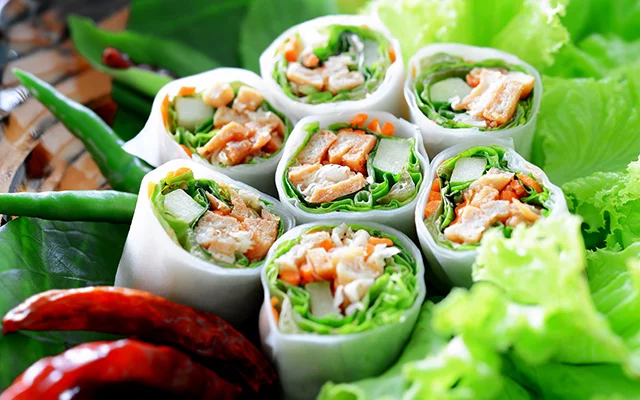
Spring rolls, both fresh (goi cuon) and fried (cha gio), are a delightful way to experience the freshness and diversity of Vietnamese cuisine. Filled with shrimp, pork, rice vermicelli, herbs, and sometimes lettuce, these rolls are dipped in a sweet and tangy sauce that enhances their flavors.

The Cultural Significance of Vietnamese Food

Vietnamese cuisine is more than just food; it is a reflection of the country’s history, culture, and social values. Meals are often communal affairs, with families and friends gathering around the table to share dishes and conversation. The act of eating together strengthens bonds and fosters a sense of community.

Conclusion

Vietnamese cuisine is a testament to the country’s resilience, creativity, and love for good food. From the bustling streets of Hanoi to the serene countryside of Hoi An, the flavors of Vietnam offer a journey that is both exhilarating and comforting. Whether you’re savoring a bowl of pho, biting into a banh mi, or wrapping your hands around a fresh spring roll, each dish tells a story of Vietnam’s past, present, and future.

Holiday Wonders: Traditions and Celebrations

clubpitbullsalem.com – The holiday season is a time of magic, wonder, and joy that transcends age, culture, and geography. It’s a period when families and friends come together to celebrate the year’s end with traditions that have been passed down through generations. “Holiday Wonders” is an exploration of these enchanting festivities, the unique ways in which they are celebrated around the world, and the universal spirit of warmth and togetherness they bring.

The Magic of Holiday Traditions

Every culture has its own set of holiday traditions that make the festive season special. From the twinkling lights and beautifully decorated trees of Christmas, to the vibrant colors and sweets of Diwali, to the lanterns and mooncakes of Mid-Autumn Festival, each tradition has its own charm and significance. These customs are not just rituals; they are a way to connect with our heritage, share our values, and create lasting memories with loved ones.

Festive Celebrations Around the World

The holiday season is a global phenomenon, celebrated in myriad ways across different countries and continents. In the United States, Thanksgiving is a time for giving thanks and sharing a feast with family. In Germany, Christmas markets bring communities together in the spirit of good cheer and gift-giving. Meanwhile, in Japan, New Year’s is celebrated with temple visits and the eating of long noodles, symbolizing longevity. Each celebration, though unique, contributes to the tapestry of holiday wonders that make our world rich and diverse.

The Spirit of Togetherness

At the heart of holiday wonders is the spirit of togetherness. It’s a time when people put aside their differences and come together to celebrate the joy of life and the strength of community. Whether it’s through exchanging gifts, sharing meals, or simply spending quality time together, the holiday season is a reminder of the importance of human connections.

Creating Lasting Memories

The holiday season is also an opportunity to create new traditions and lasting memories. Families often look forward to annual events, such as decorating the Christmas tree, lighting the menorah, or preparing a special holiday meal. These moments, filled with laughter and love, are what make the holiday season truly magical.

Conclusion

“Holiday Wonders” is more than just a celebration of the festive season; it’s a celebration of humanity’s shared values of love, peace, and unity. As we come together to celebrate the holidays, let us remember the true spirit of these traditions and carry that warmth and joy into the new year. Whether you’re celebrating Christmas, Hanukkah, Kwanzaa, or any other holiday, may this season be filled with light, hope, and the magic of togetherness.