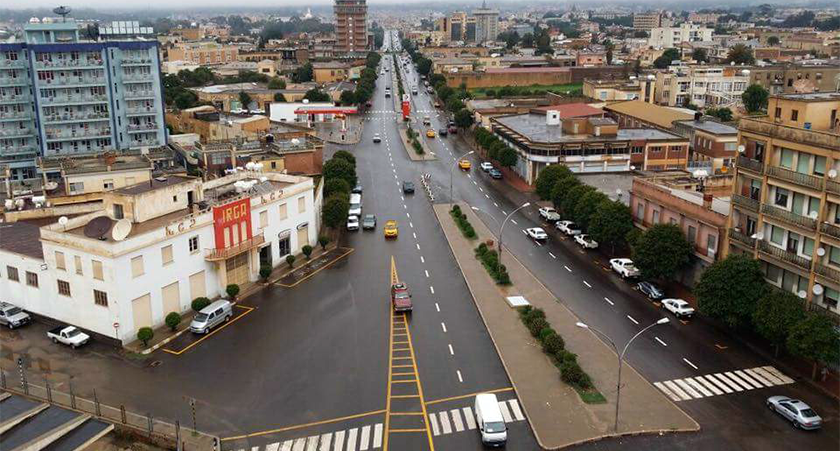
clubpitbullsalem.com – Asmara, the capital and largest city of Eritrea, is a unique blend of history, culture, and modernity. Nestled at an elevation of 2,325 meters (7,628 feet) in the central highlands of Eritrea, Asmara is often referred to as the “Roof of Africa” due to its high altitude. The city’s strategic location has made it a significant administrative, commercial, and transportation hub in the Horn of Africa.
Historical Background
Asmara’s history is as rich as it is complex. The city was originally a small village inhabited by the Saho people. Its strategic location attracted the attention of various powers, including the Ottoman Empire, Egypt, and eventually Italy. In the late 19th century, Italy began its colonial expansion into the region, and Asmara became the capital of Italian Eritrea in 1897.
During the Italian colonial period, Asmara underwent significant development. The Italians invested heavily in the city’s infrastructure, including the construction of roads, buildings, and the Asmara-Massawa railway, the first in Africa. This era left a lasting architectural legacy, with many Art Deco, Futurist, and Rationalist buildings still standing today.
Cultural Landscape
Asmara’s cultural landscape is a testament to its diverse history. The city is home to a mix of Eritrean, Italian, and other African cultures. This diversity is reflected in the city’s architecture, cuisine, and traditions. Asmara’s old city is a UNESCO World Heritage Site, recognized for its unique collection of early 20th-century buildings.
The city’s culinary scene is a melting pot of flavors, offering a variety of Eritrean, Italian, and Middle Eastern dishes. The traditional Eritrean coffee ceremony is a must-experience for visitors, offering a glimpse into the local culture and hospitality.
Economic and Infrastructure Development
Asmara serves as the economic heart of Eritrea. The city is home to a growing service sector, including banking, telecommunications, and retail. The government has invested in infrastructure projects to support the city’s growth, including the expansion of the Asmara International Airport and improvements to the city’s road network.
Despite its economic progress, Asmara faces challenges common to many African cities, including rapid urbanization and the need for sustainable development. The government and international partners are working on initiatives to address these issues and ensure the city’s long-term prosperity.
Tourism and Attractions
Asmara’s unique blend of history and culture makes it an attractive destination for tourists. Key attractions include the Asmara Cathedral, the National Museum, and the open-air market. The city’s cool climate and scenic views also make it a popular destination for outdoor activities such as hiking and mountain biking.
The Eritrean government and local businesses are working to develop the city’s tourism potential, with a focus on cultural tourism and eco-tourism. Efforts are being made to preserve the city’s historical sites and promote sustainable tourism practices.
Conclusion
Asmara is more than just the capital of Eritrea; it is a city that embodies the country’s rich history, cultural diversity, and potential for growth. With its unique blend of modernity and tradition, Asmara stands as a testament to the resilience and creativity of its people. As the city continues to develop, it remains an important center for culture, economy, and politics in the Horn of Africa.
