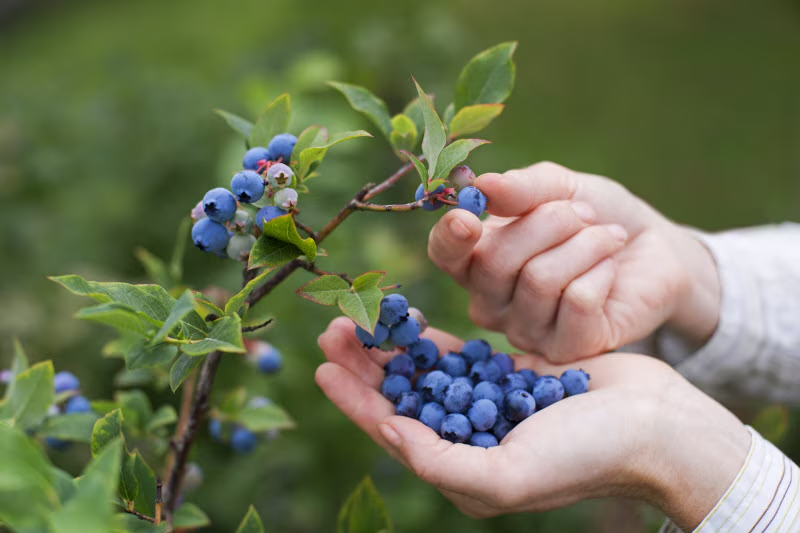
Tips and Techniques: Foraging for Wild Fruits

clubpitbullsalem.com – The art of foraging for wild fruits is a rewarding endeavor that connects us with nature and provides a bounty of free, nutritious food. However, it requires knowledge, respect for the environment, and safety precautions. This article will guide you through the essential tips and techniques for successful wild fruit foraging.

Identification

The first and most crucial step in foraging for wild fruits is accurate identification. Many plants have toxic look-alikes, so it’s essential to be able to distinguish between edible and poisonous species. Invest in a good field guide or app that focuses on the local flora of your area. Take the time to study the characteristics of the fruits you’re interested in, such as leaf shape, arrangement, and fruit appearance.

Timing

Timing is everything when it comes to foraging. Wild fruits have specific seasons when they are ripe and at their peak of flavor and nutrition. Learn the ripening times for the fruits you wish to forage and plan your outings accordingly. Early morning is often the best time to find fruits before wildlife or the sun takes its toll.

Location

Choose your foraging location wisely. Public lands, such as national forests or parks, are usually safe bets, but always check the regulations before you go. Avoid areas with heavy pesticide use, industrial pollution, or busy roads, as these can contaminate the fruits.

Respectful Harvesting

Foraging should be done with respect for the environment and the future of the plants. Only take what you need and leave plenty of fruit for wildlife and for the plant to reproduce. Use gentle harvesting techniques and avoid damaging the plant.

Safety Precautions

Before consuming any wild fruit, it’s important to take safety precautions. If you’re unsure about the identification, don’t eat it. Some people have allergies to certain fruits, so it’s wise to try a small amount first and wait for any adverse reactions. Additionally, be aware of the potential for parasites or bacteria and take appropriate measures, such as washing or cooking the fruit.

Tools and Equipment

While foraging, you may need certain tools to help you harvest fruits safely and efficiently. A knife or pruning shears can be useful for cutting fruits or branches, and a basket or bag is essential for collecting your finds. Wear appropriate clothing and footwear to protect yourself from thorns, insects, and the elements.

Sharing Knowledge

If you’re new to foraging, consider joining a local foraging group or finding an experienced mentor. Sharing knowledge and experiences can enhance your skills and make foraging a more enjoyable and safe activity.

Conclusion

Foraging for wild fruits is a skill that can provide a sustainable and delicious addition to your diet. By following these tips and techniques, you can ensure a successful and safe foraging experience. Remember to always prioritize conservation and respect for the natural world, and you’ll be rewarded with the sweet taste of wild fruits for years to come.

From Ancient Cultivation to Modern Genetics: The History of Fruit

Fruit, a symbol of nature’s bounty, has been an integral part of human diet and culture since ancient times. The journey of fruit from wild foraging to modern-day supermarket shelves is a testament to human ingenuity, adaptation, and the intricate dance between nature and nurture. This article explores the fascinating history of fruit, from its ancient cultivation practices to the modern marvels of genetic engineering.

Ancient Cultivation:
The cultivation of fruit dates back thousands of years. Early humans were gatherers who relied on wild fruits for sustenance. As societies evolved, so did the relationship with fruit. The first evidence of fruit cultivation can be traced back to the Neolithic period, around 9,000 BCE, when the domestication of plants began in the Fertile Crescent. Apples, grapes, figs, and dates were among the first fruits to be cultivated.

The ancient Egyptians were avid horticulturists, and their art and hieroglyphics depict a variety of fruits, including pomegranates, figs, and grapes. The Egyptians were also known for their advanced irrigation techniques, which allowed for the cultivation of fruit in the arid climate of the Nile Valley.

The ancient Greeks and Romans further advanced fruit cultivation, introducing grafting and pruning techniques that allowed for the propagation of superior fruit varieties. The Romans, in particular, were known for their extensive orchards and vineyards, and they spread fruit cultivation throughout their empire.

The Middle Ages and Beyond:
During the Middle Ages, monasteries played a crucial role in preserving and expanding fruit cultivation. Monks meticulously tended orchards and gardens, experimenting with different varieties and developing new cultivation techniques. The Renaissance period saw a resurgence in interest in fruit cultivation, with European explorers bringing back new fruits from the Americas, such as tomatoes, potatoes, and maize.

The Age of Exploration also led to the Columbian Exchange, a widespread transfer of plants, animals, culture, and ideas between the Eastern and Western Hemispheres. This exchange had a profound impact on fruit cultivation, introducing new species to different continents and leading to the development of hybrid varieties.

Modern Genetics:
The 19th and 20th centuries marked a significant shift in fruit cultivation with the advent of modern genetics. The work of Gregor Mendel, the father of genetics, laid the groundwork for understanding the inheritance of traits in plants. This knowledge was applied to fruit breeding, leading to the development of varieties with desirable characteristics such as size, sweetness, and disease resistance.

The 20th century saw the rise of agricultural science, with the Green Revolution introducing high-yielding crop varieties and modern agricultural practices. Fruit cultivation benefited from these advancements, with the development of dwarfing rootstocks for trees, which allowed for higher density planting and increased yields.

In recent years, genetic engineering has opened new frontiers in fruit cultivation. Techniques such as CRISPR-Cas9 have allowed scientists to edit the genomes of fruit plants, creating varieties that are resistant to pests and diseases, tolerant to environmental stresses, and have enhanced nutritional profiles. One example is the development of non-browning apples, which have been genetically modified to suppress the enzyme that causes browning when the fruit is cut.

Conclusion:
The history of fruit is a saga of human adaptation and innovation. From the wild foraging of our ancestors to the genetically modified varieties of today, fruit cultivation has evolved in tandem with human civilization. As we continue to unravel the mysteries of genetics and explore new frontiers in biotechnology, the future of fruit cultivation promises to be as diverse and dynamic as the fruits themselves. Whether grown in a backyard garden or a high-tech greenhouse, fruit remains a vital part of our diet and culture, a living link to our past and a bridge to our future.