The United Nations’ Role in Shaping Panama’s Future

clubpitbullsalem.com – The United Nations (UN) plays a pivotal role in shaping the future of Panama, a country that is at a critical juncture as it prepares for upcoming elections and embarks on a new strategic development plan. The UN’s involvement is multifaceted, encompassing sustainable development, policy-making, and fostering international cooperation to address the country’s most pressing challenges.

Sustainable Development and Equity

Panama’s commitment to the UN’s Sustainable Development Goals (SDGs) is evident in its efforts to build an inclusive and sustainable future. The UN has been instrumental in supporting Panama’s initiatives to reduce multidimensional poverty and promote equity. The establishment of the multidimensional poverty index as a principal instrument for shaping public policy reflects the UN’s influence in guiding the country towards more sustainable and equitable development paths.

Strategic Planning and Policy-Making

The UN has been actively involved in shaping Panama’s strategic development plans. The upcoming elections in May 2024 are crucial as the new administration will shape a five-year strategic development plan aligned with Agenda 2030, a testament to the UN’s role in influencing long-term policy directions. The UN Futures Lab, which empowers the UN System and beyond to use futures thinking and strategic foresight in planning and policy-making, underscores the UN’s commitment to shaping Panama’s future through innovative and forward-looking strategies.

International Cooperation and Dialogue

The UN has also facilitated international cooperation and dialogue, which are essential for addressing global challenges such as inequality, organized crime, and human trafficking. Panama’s call for a national dialogue to make wise decisions reflects the UN’s influence in promoting inclusive governance and international cooperation. The UN’s role in shaping Panama’s future extends beyond its borders, as the country’s strategic location as a global trade and logistics hub is recognized and supported by the UN’s efforts to enhance international cooperation.

Conclusion

The UN’s role in shaping Panama’s future is crucial and multifaceted, encompassing support for sustainable development, strategic planning, and fostering international cooperation. As Panama moves forward with its development plans, the UN’s continued involvement will be essential in guiding the country towards a more inclusive, sustainable, and prosperous future. The UN’s commitment to the SDGs and its innovative approaches to policy-making and international cooperation position it as a key partner in shaping Panama’s future.
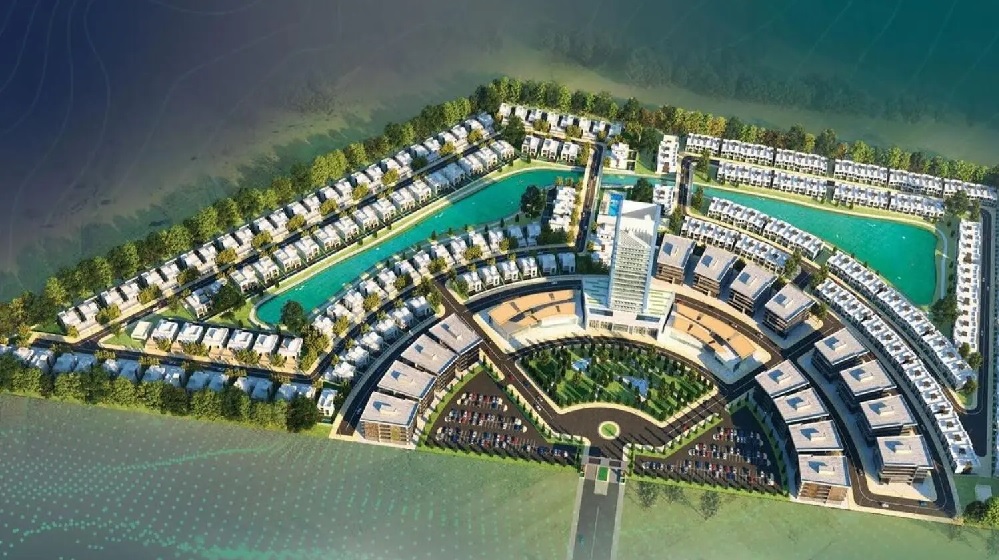
Building for the Future: Zimbabwe’s Infrastructure

clubpitbullsalem.com – Zimbabwe’s infrastructure development is a cornerstone of its national vision, aiming to transform the country into an upper middle-income economy by 2030. The government’s commitment to infrastructure development is not just about building roads and bridges but about laying the foundation for a sustainable and prosperous future. This article explores the current state and future prospects of Zimbabwe’s infrastructure, highlighting key projects and the broader goals behind these initiatives.

Current Infrastructure Projects

Zimbabwe’s infrastructure development is marked by several significant projects that are underway or planned. The rehabilitation of the Plumtree-Mutare Highway and the revitalization of the National Railways of Zimbabwe (NRZ) are among the key projects aimed at improving connectivity and efficiency in transportation. Additionally, the construction of additional 280 km of electricity transmission and distribution infrastructure is part of the National Development Strategy 1 (NDS1), which also includes increasing access to potable water and enhancing water storage capacity.

Sustainable Infrastructure

Sustainability is a central theme in Zimbabwe’s infrastructure development. The government is promoting green building standards, renewable energy sources, and environmentally friendly construction materials to ensure that infrastructure growth is environmentally sustainable. This approach aligns with the broader goal of sustainable infrastructure development, which includes higher, greener, and more energy-efficient buildings, as well as investments in urban planning, water, and waste management.

Economic and Regional Integration

The infrastructure development in Zimbabwe is crucial for achieving the country’s economic goals and enhancing regional integration. By improving its infrastructure, Zimbabwe aims to attract more investment, boost economic growth, and facilitate trade within the region. The government’s vision is to leverage infrastructure development as a key enabler of its economic transformation strategy.

Future Prospects

The future of Zimbabwe’s infrastructure development looks promising, with the Second Republic’s initiatives receiving commendation and support. The focus on sustainable and transformative infrastructure projects is expected to contribute significantly to the country’s future prosperity. As Zimbabwe continues to invest in its infrastructure, it is poised to make a lasting impact on its economic landscape and quality of life.

Conclusion

Zimbabwe’s infrastructure development is a testament to its commitment to building a sustainable and prosperous future. By focusing on sustainable projects and integrating them with economic and regional goals, the country is setting a path for long-term growth and development. As Zimbabwe continues to advance its infrastructure projects, it is clear that these efforts are not just about building roads and bridges but about building a future where the nation can thrive.