clubpitbullsalem.com – Vietnamese cuisine is a harmonious blend of flavors, textures, and colors that reflects the country’s rich history and diverse culture. With influences from China, France, and other Southeast Asian nations, Vietnamese food is characterized by its emphasis on fresh ingredients, minimal use of oil, and a balance of salty, sweet, sour, and bitter tastes. This culinary tradition is deeply intertwined with the daily life and social customs of Vietnam, making it a journey not just for the palate but for the soul.
The Foundations of Vietnamese Flavors
Fresh Ingredients
At the heart of Vietnamese cuisine lies the importance of fresh, seasonal ingredients. Herbs such as cilantro, mint, and basil are used liberally to add freshness and aroma to dishes. Vegetables, often served raw or lightly pickled, provide a crunchy texture and a burst of vitamins. Seafood, poultry, and meat are typically cooked quickly over high heat to preserve their natural flavors.
The Balance of Flavors
Vietnamese dishes are carefully crafted to balance the five fundamental flavors: salty, sweet, sour, bitter, and umami. This balance is achieved through the use of ingredients like fish sauce (nuoc mam), soy sauce, lime juice, sugar, and various spices. The result is a symphony of tastes that is both complex and comforting.
Signature Dishes of Vietnamese Cuisine
Pho: The National Dish
No discussion of Vietnamese cuisine is complete without mentioning pho, the iconic beef or chicken noodle soup. Pho is a perfect example of the balance and depth of flavors that define Vietnamese cooking. The broth, which can take hours to simmer, is infused with ginger, star anise, cinnamon, and cloves, creating a rich and aromatic base. Served with rice noodles, thinly sliced beef or chicken, and a plate of fresh herbs and bean sprouts, pho is a meal that warms the body and the spirit.
Banh Mi: The Vietnamese Sandwich
Banh mi is another beloved dish that showcases the fusion of Vietnamese and French culinary traditions. This sandwich is made with a crispy baguette filled with a variety of meats, pickled vegetables, chili peppers, and mayonnaise. The combination of textures and flavors makes banh mi a popular choice for a quick and satisfying meal.
Spring Rolls: A Taste of Freshness
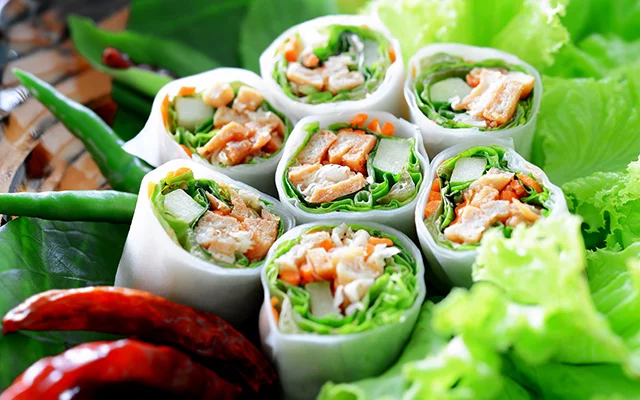
Spring rolls, both fresh (goi cuon) and fried (cha gio), are a delightful way to experience the freshness and diversity of Vietnamese cuisine. Filled with shrimp, pork, rice vermicelli, herbs, and sometimes lettuce, these rolls are dipped in a sweet and tangy sauce that enhances their flavors.
The Cultural Significance of Vietnamese Food
Vietnamese cuisine is more than just food; it is a reflection of the country’s history, culture, and social values. Meals are often communal affairs, with families and friends gathering around the table to share dishes and conversation. The act of eating together strengthens bonds and fosters a sense of community.
Conclusion
Vietnamese cuisine is a testament to the country’s resilience, creativity, and love for good food. From the bustling streets of Hanoi to the serene countryside of Hoi An, the flavors of Vietnam offer a journey that is both exhilarating and comforting. Whether you’re savoring a bowl of pho, biting into a banh mi, or wrapping your hands around a fresh spring roll, each dish tells a story of Vietnam’s past, present, and future.
